
Understanding the Supply Chain: From Sodium Chlorate Production to Distribution
CH
Introduction to Sodium Chlorate
Sodium chlorate is a vital chemical compound widely used in various industries, primarily as a bleaching agent in the paper and pulp industry. Understanding its supply chain from production to distribution is crucial for businesses relying on this compound. This blog post explores the key stages involved in the sodium chlorate supply chain.
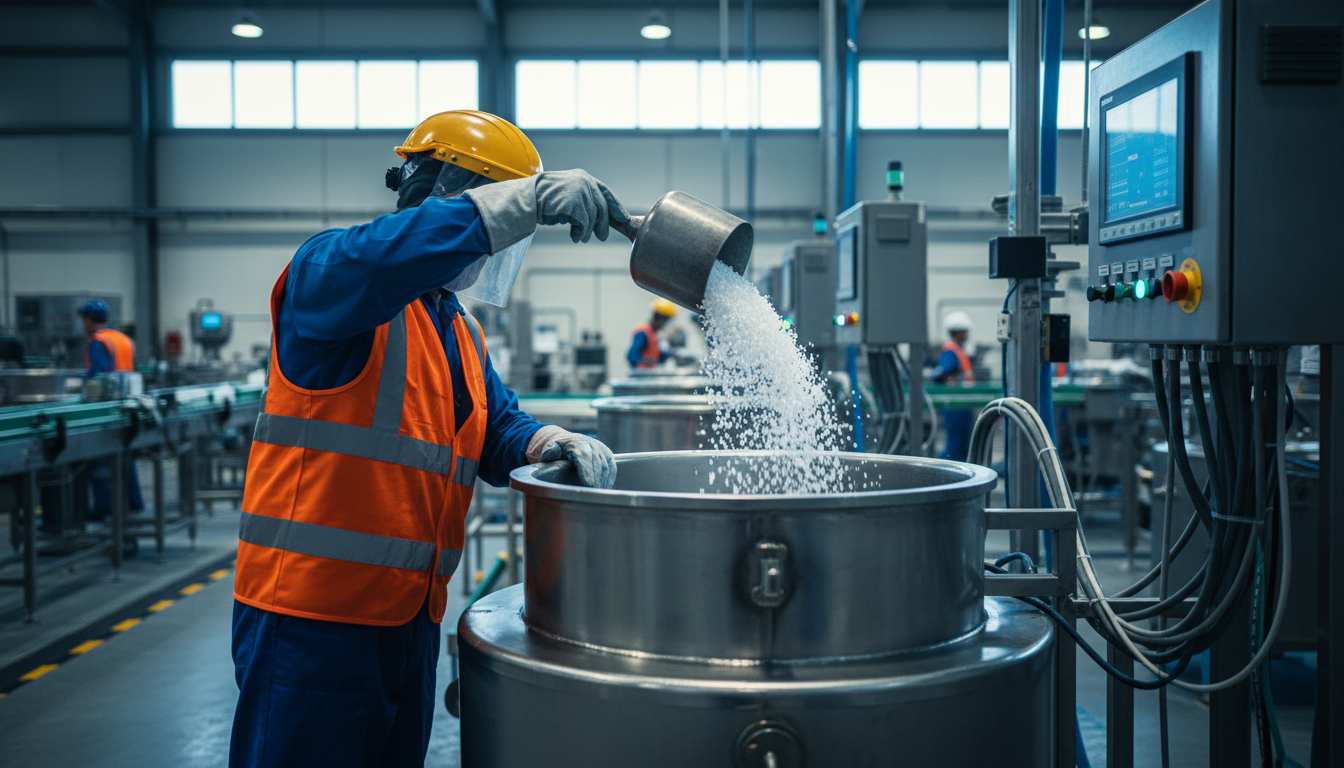
Sodium Chlorate Production Process
The production of sodium chlorate involves the electrolysis of a sodium chloride solution. This process is energy-intensive, requiring substantial electricity to convert the salt solution into sodium chlorate. The electrolysis takes place in specially designed cells that facilitate the conversion efficiently.
Once the sodium chlorate is produced, it undergoes purification to remove impurities. This ensures that the final product meets industry standards and is suitable for its intended applications.
Quality Control Measures
Maintaining high-quality standards is imperative during production. Manufacturers implement stringent quality control measures, including regular testing and monitoring of the chemical properties. These measures help in delivering a consistent product that meets customer expectations.

Storage and Handling
After production, sodium chlorate must be stored and handled with care. It is typically stored in dry, cool environments to prevent degradation. Proper labeling and packaging are essential to ensure safety during transportation and storage.
Handling sodium chlorate requires adherence to safety protocols to prevent accidents. Workers in contact with the compound need to be equipped with protective gear and trained in handling procedures.
Transportation Logistics
Transporting sodium chlorate involves logistical planning to ensure timely delivery. It is often transported in bulk via road or rail, depending on the destination. Efficient logistics management is crucial to minimize delays and maintain the supply chain's integrity.

Distribution to End Users
Once transported, sodium chlorate reaches distributors who ensure it gets to the end users. These distributors play a pivotal role in bridging the gap between manufacturers and consumers, ensuring a steady supply.
Industries that rely on sodium chlorate, such as paper and pulp, depend on reliable distributors to maintain their operations. Building strong relationships with distributors is essential for manufacturers to reach their target markets effectively.
Challenges in the Supply Chain
The sodium chlorate supply chain faces challenges such as fluctuating raw material prices and regulatory changes. Addressing these challenges requires adaptability and strategic planning to maintain supply chain efficiency.

Conclusion
Understanding the supply chain of sodium chlorate from production to distribution highlights the complexity involved in getting this crucial chemical to end users. By optimizing each stage, businesses can ensure a reliable supply of high-quality sodium chlorate, meeting industry demands effectively.