
Understanding the Impact of Local Regulations on Chemical Suppliers in Singapore
CH
Introduction
In Singapore, the chemical industry plays a crucial role in the country's economy. However, operating in this sector involves navigating a complex network of local regulations. Understanding these regulations is essential for chemical suppliers to ensure compliance and maintain smooth operations.
Local regulations impact various aspects of the chemical supply chain, from importation to storage and distribution. By staying informed and proactive, businesses can avoid potential legal issues and contribute to a safer environment.

Key Regulatory Bodies
In Singapore, several regulatory bodies oversee the chemical industry. The most prominent ones include the National Environment Agency (NEA), which focuses on environmental protection, and the Singapore Civil Defence Force (SCDF), which ensures fire safety and hazardous materials management.
These agencies set guidelines and standards that chemical suppliers must follow. Regular updates to these regulations mean that suppliers need to stay informed about changes that could affect their operations.
National Environment Agency (NEA)
The NEA's primary role is to safeguard the environment. It imposes restrictions on emissions and waste disposal, ensuring that chemical suppliers adopt environmentally friendly practices. Compliance with NEA regulations can enhance a company's reputation and reduce environmental impact.
Singapore Civil Defence Force (SCDF)
The SCDF is responsible for fire safety and the management of hazardous materials. Suppliers must adhere to stringent guidelines on the storage and handling of chemicals to prevent accidents and ensure public safety. Non-compliance can result in severe penalties and operational disruptions.
Impact on Importation and Distribution
Local regulations also affect the importation and distribution of chemicals in Singapore. Suppliers must ensure that all imported chemicals comply with the Hazardous Substances Act. This may involve obtaining necessary permits and ensuring proper labeling and documentation.
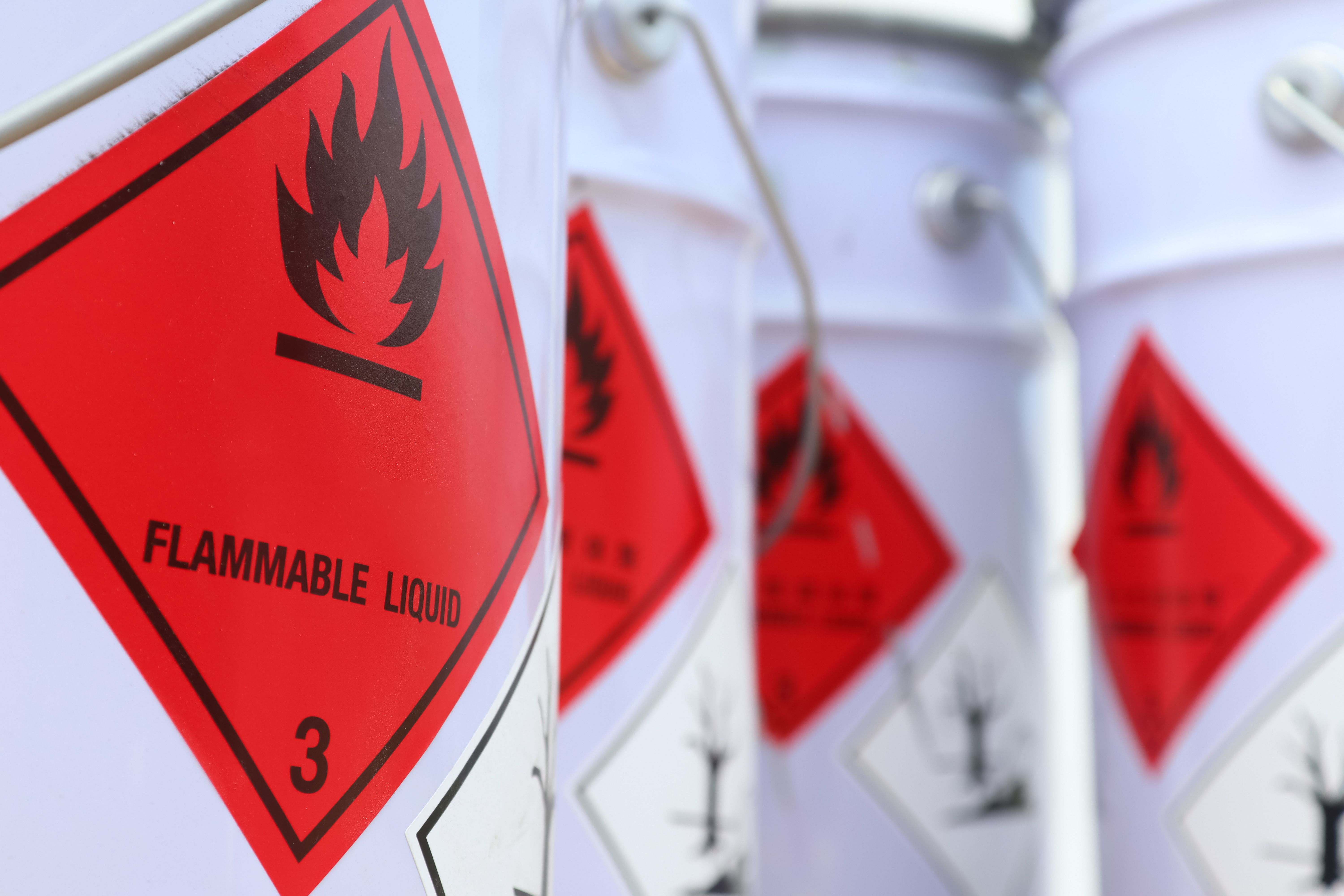
Distribution also comes under scrutiny, with strict guidelines on transportation to prevent spills and accidents. Chemical suppliers need to invest in proper training for their logistics teams to meet these requirements.
Strategic Compliance
Adhering to local regulations is not just about avoiding penalties. It is a strategic move that can enhance a company's market position. By demonstrating compliance, suppliers can build trust with clients and stakeholders, leading to potential business growth.
Investing in compliance measures, such as regular audits and staff training, can also lead to operational efficiencies and cost savings in the long run.
Conclusion
Understanding and adapting to local regulations is essential for chemical suppliers operating in Singapore. By staying informed and proactive, businesses can ensure compliance, enhance their reputation, and contribute to a safer and more sustainable industry.
As the regulatory landscape continues to evolve, ongoing education and adaptation will be key to success in the competitive chemical supply market.