
Understanding Mechatronics: The Future of Automated Systems
CH
What is Mechatronics?
Mechatronics is an interdisciplinary field that combines mechanical engineering, electronics, computer science, and control engineering. Its primary goal is to design and create smarter systems and products that enhance automation and improve efficiency. This integration of various disciplines allows for the development of sophisticated automated systems that are increasingly prevalent in today’s technology-driven world.
From robotics to automotive systems, mechatronics plays a crucial role in the evolution of modern technologies. Engineers in this field work to create seamless interactions between mechanical components and digital control systems, resulting in more efficient and effective solutions.

The Components of Mechatronics
Understanding the components of mechatronics is essential to appreciate its impact. The key elements include:
- Mechanical Systems: These form the foundation and structure of any mechatronic system, providing the necessary physical interaction.
- Electronic Systems: Electronics are vital for processing information and controlling the mechanical components.
- Control Systems: These systems ensure that the mechanical and electronic components work together harmoniously.
- Computer Systems: Software and algorithms are used to manage and optimize the overall system performance.
By integrating these components, mechatronics enables the creation of innovative products that are capable of performing complex tasks autonomously.
Applications of Mechatronics
The applications of mechatronics are vast and varied. Some of the most notable include:
- Industrial Automation: Mechatronics is at the heart of manufacturing processes, where robots and automated systems enhance productivity and precision.
- Automotive Industry: From anti-lock braking systems to advanced driver-assistance systems, mechatronics is transforming the way vehicles operate.
- Healthcare: In medical devices, mechatronics enables innovations like robotic surgery and automated diagnostic equipment.
- Consumer Electronics: Everyday gadgets, such as smartphones and smart appliances, benefit from mechatronic design for enhanced functionality.
The Future of Mechatronics
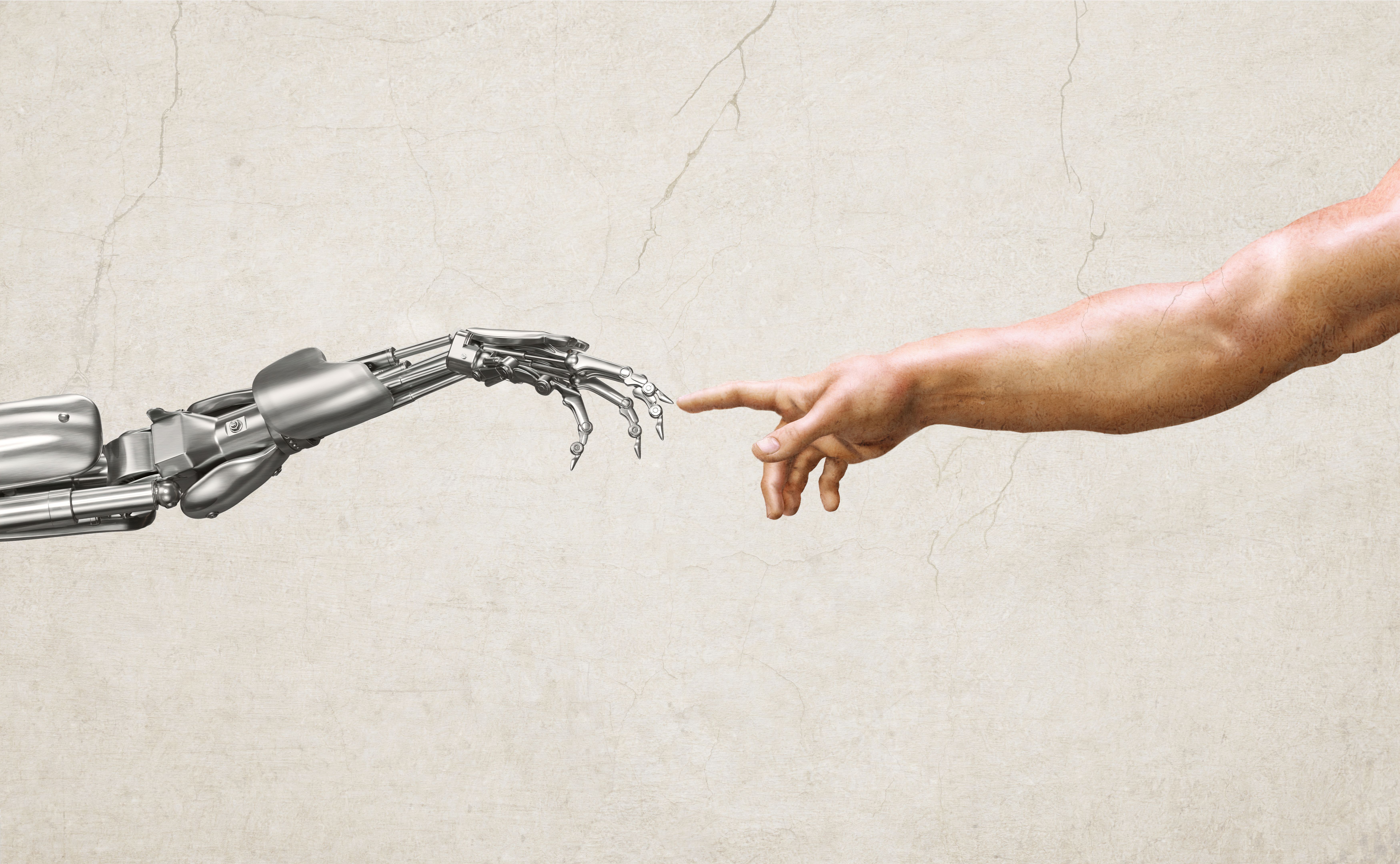
The future of mechatronics looks incredibly promising as advancements in technology continue to evolve. With the rise of artificial intelligence and machine learning, mechatronic systems are becoming more intelligent and adaptable. These technologies allow for the creation of systems that can learn from their environment and improve their performance over time.
Moreover, the Internet of Things (IoT) is expanding the capabilities of mechatronic systems by enabling connectivity and data exchange between devices. This connectivity allows for real-time monitoring and control, further enhancing the efficiency and effectiveness of automated systems.
Challenges and Opportunities
Despite its potential, mechatronics faces several challenges. The complexity of integrating multiple disciplines requires a high level of expertise and collaboration. Additionally, ensuring the security and reliability of mechatronic systems is crucial, especially as they become more interconnected.
However, these challenges also present opportunities for innovation and growth. As the demand for smart, automated systems increases, there is a growing need for skilled professionals who can navigate the complexities of mechatronics and drive the development of next-generation technologies.

Conclusion
Mechatronics is a dynamic and rapidly evolving field that is shaping the future of automated systems. By combining mechanical, electronic, and computational elements, it offers innovative solutions across various industries. As technology continues to advance, the possibilities for mechatronics are limitless, making it an exciting field with significant potential for impact.