
Understanding Inverter Technology: How It Powers Modern Mechatronics
CH
Introduction to Inverter Technology
Inverter technology has become a cornerstone in the field of modern mechatronics, offering enhanced efficiency and versatility. This innovative technology plays a crucial role in various applications, making it a topic worth understanding. From household appliances to industrial machinery, inverters are integral in optimizing performance and conserving energy.
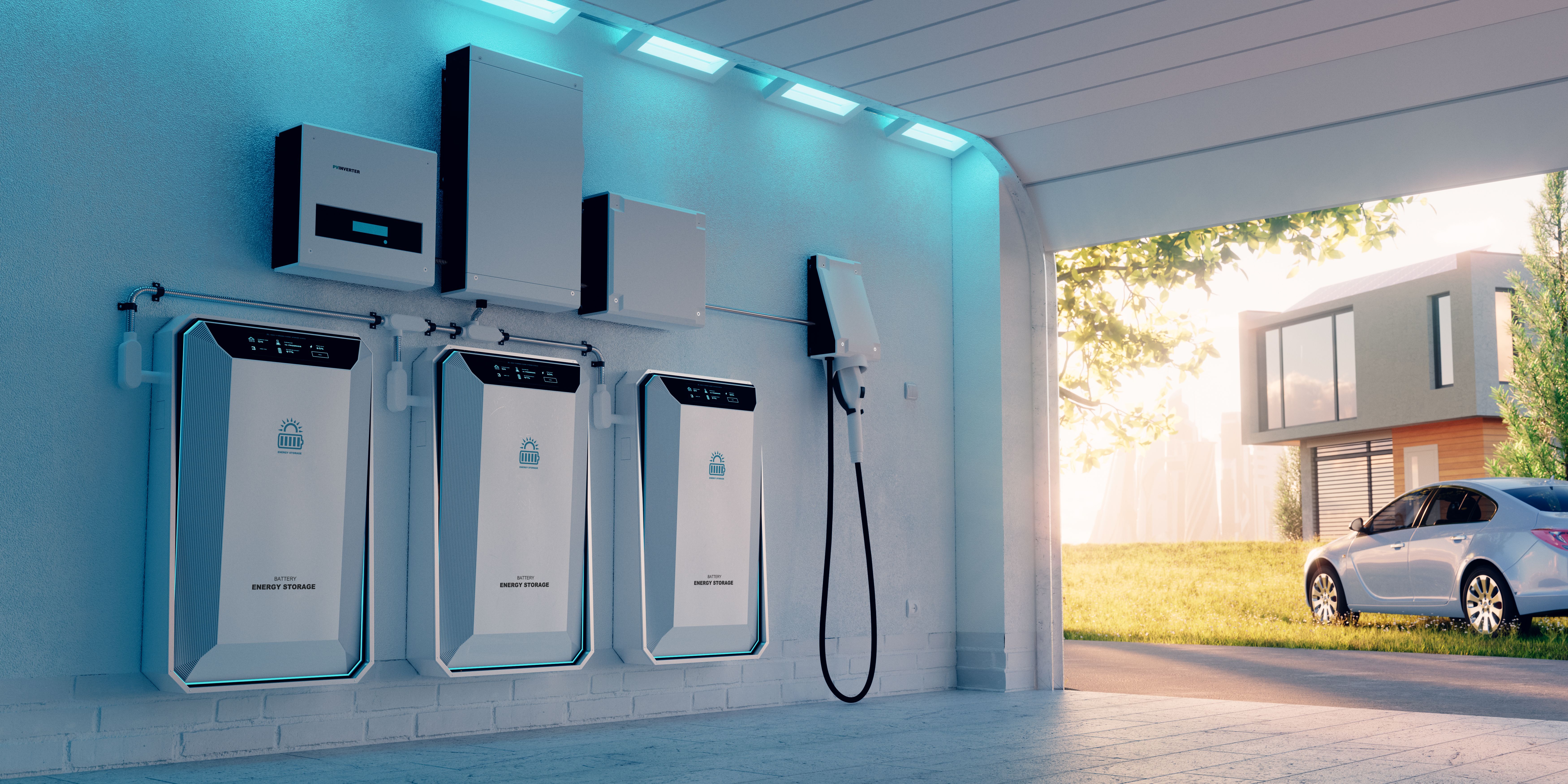
In simple terms, an inverter converts direct current (DC) into alternating current (AC). This process is essential because most electronic devices and systems operate on AC power while batteries and solar power systems supply DC. By bridging this gap, inverters ensure seamless operation and energy efficiency.
The Role of Inverters in Mechatronics
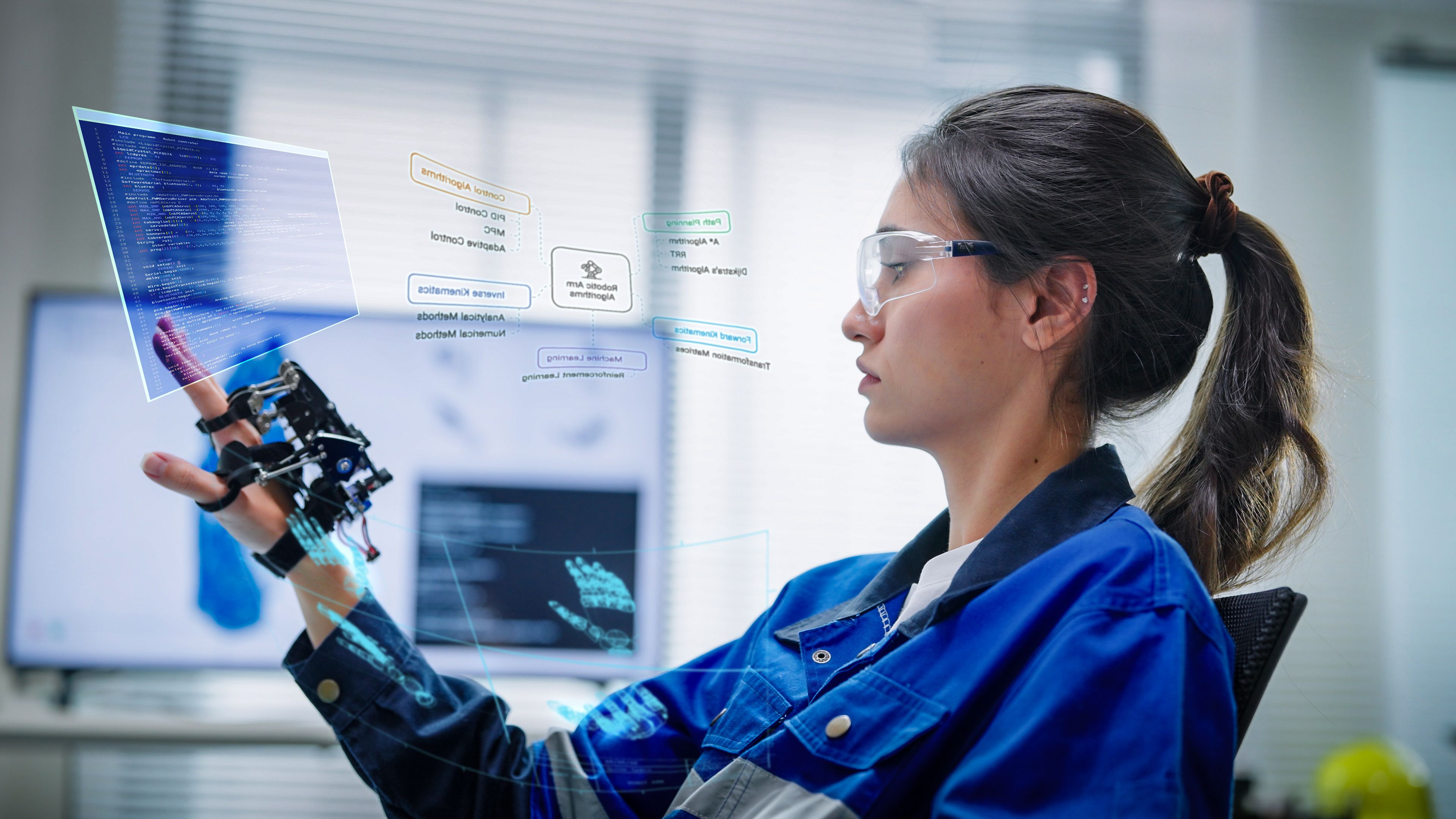
Mechatronics, which combines mechanical engineering, electronics, computer science, and control engineering, relies heavily on inverter technology. **Inverters regulate power** in systems where precise control over speed and torque is necessary, such as in robotics and automated manufacturing processes.
One of the critical functions of inverters in mechatronics is to control the speed of electric motors. By adjusting the frequency of the AC output, inverters can change motor speed without affecting performance. This capability is indispensable in applications where precision is key, such as conveyor belts and robotic arms.
Benefits of Inverter Technology
Inverter technology offers numerous advantages, making it a preferred choice across industries:
- Energy Efficiency: Inverters reduce energy consumption by adjusting power output to match load requirements.
- Extended Equipment Life: By ensuring smooth operation and reducing mechanical stress, inverters prolong the lifespan of equipment.
- Improved Control: Inverters provide precise control over speed and torque, enhancing overall system performance.
Applications Across Industries
The versatility of inverter technology extends its applications across various industries. In the manufacturing sector, inverters are used to control machinery like CNC machines and automated assembly lines. This technology enables **precise control** over manufacturing processes, increasing productivity and reducing waste.
Inverter technology also plays a vital role in renewable energy systems. Solar inverters convert DC from solar panels into usable AC power for homes and businesses, facilitating clean energy adoption. Similarly, in wind turbines, inverters ensure that the generated electricity matches grid requirements.
Choosing the Right Inverter
Selecting the appropriate inverter depends on several factors:
- Power Requirements: Determine the power needs of your application to ensure the inverter can handle the load.
- Efficiency Ratings: Opt for inverters with high efficiency ratings to maximize energy savings.
- Compatibility: Ensure the inverter is compatible with your specific devices and systems.
The Future of Inverter Technology
The future of inverter technology looks promising with continuous advancements aimed at further enhancing efficiency and adaptability. **Research and development** efforts focus on creating smaller, more efficient inverters with improved performance characteristics.
As industries increasingly adopt smart technologies and automation, the demand for advanced inverter solutions will grow. Innovations such as IoT-enabled inverters are already emerging, offering real-time monitoring and control capabilities that align with modern requirements.
Understanding inverter technology is essential for anyone involved in mechatronics or related fields. As this technology continues to evolve, it will undoubtedly play an even more significant role in shaping the future of energy management and automation.