
The Ultimate Guide to Absorption Chillers: Efficiency and Innovation
CH
Absorption chillers are becoming increasingly popular in the realm of energy efficiency and sustainable practices. Leveraging heat rather than electricity to drive the refrigeration cycle, they offer a unique solution for cooling needs, especially in industries and large commercial buildings. This guide delves into the efficiency and innovation that absorption chillers bring to the table.
What are Absorption Chillers?
An absorption chiller is a device that uses a heat source to provide the energy needed for the cooling process. Unlike traditional chillers, which rely on mechanical compressors, absorption chillers use a combination of heat, pressure, and a special solution to achieve cooling. This process utilizes thermal energy from waste heat or renewable sources, making it an eco-friendly alternative.
How Absorption Chillers Work
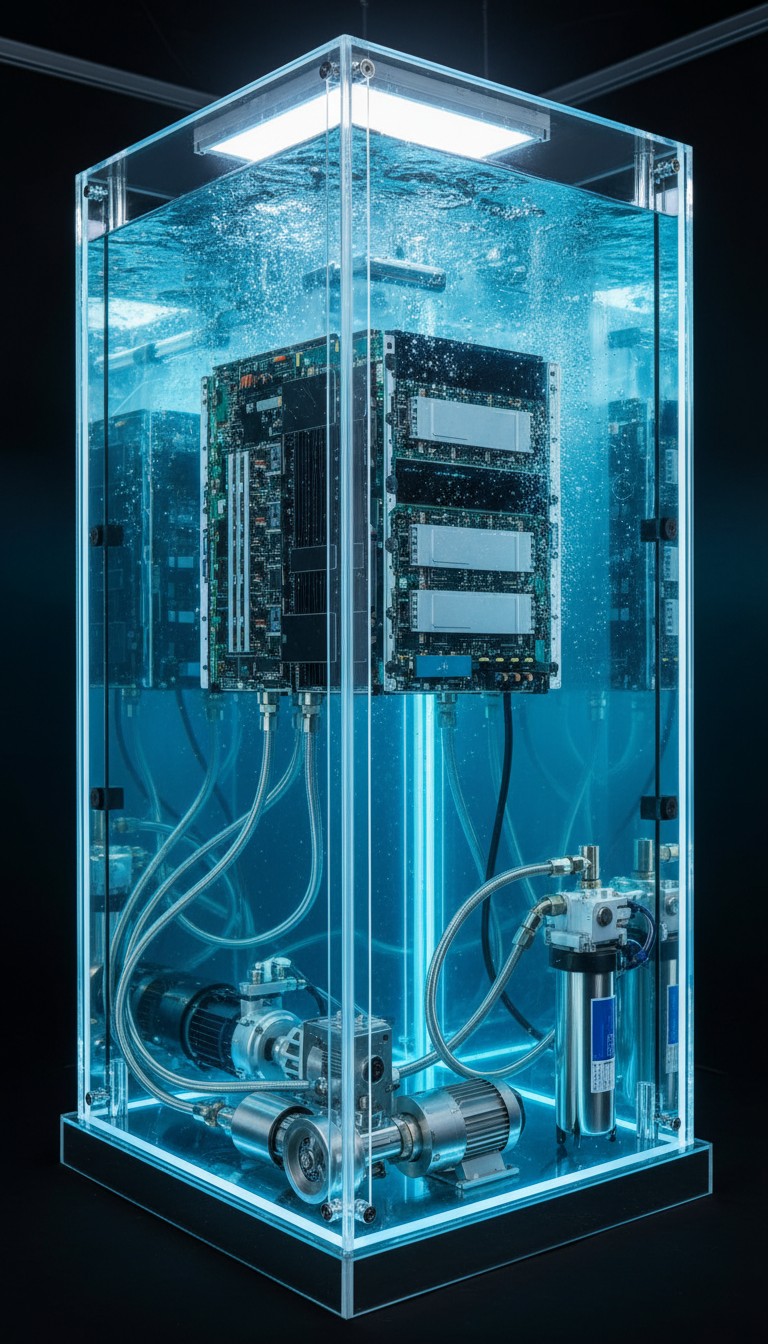
The operation of absorption chillers revolves around the use of a refrigerant and an absorbent. Commonly, water serves as the refrigerant, and lithium bromide as the absorbent. The process involves four main stages: evaporator, absorber, generator, and condenser. By leveraging the natural properties of these substances, absorption chillers efficiently transfer heat and produce cooling with minimal energy input.
The evaporator allows the refrigerant to absorb heat from the environment, turning it into vapor. This vapor is then absorbed by the absorbent in the absorber unit. The generator then applies heat to release the refrigerant from the absorbent, and the condenser cools it back into a liquid state, ready to restart the cycle.
Efficiency Advantages of Absorption Chillers
One of the primary benefits of absorption chillers is their ability to utilize waste heat, such as that from industrial processes or cogeneration systems. This significantly reduces the demand for electricity, leading to lower operational costs and a reduced carbon footprint. These systems are particularly advantageous in areas with high electricity costs or where sustainable practices are prioritized.

Innovations in Absorption Chiller Technology
Recent advancements in absorption chiller technology have focused on enhancing performance and reducing the size of the units. Innovations such as the incorporation of advanced materials and the optimization of heat exchange processes have contributed to more compact and efficient designs. Additionally, integration with renewable energy sources, such as solar thermal energy, has opened new avenues for sustainable cooling solutions.
These innovations not only improve the efficiency but also expand the applicability of absorption chillers across various sectors, including commercial, industrial, and even residential environments.
Choosing the Right Absorption Chiller
Selecting the appropriate absorption chiller requires careful consideration of several factors. Key considerations include the heat source availability, cooling capacity requirements, and the specific industrial or commercial application. It is essential to assess the compatibility of the chiller with existing systems and the potential for integration with renewable energy sources.
Maintenance and Operational Considerations
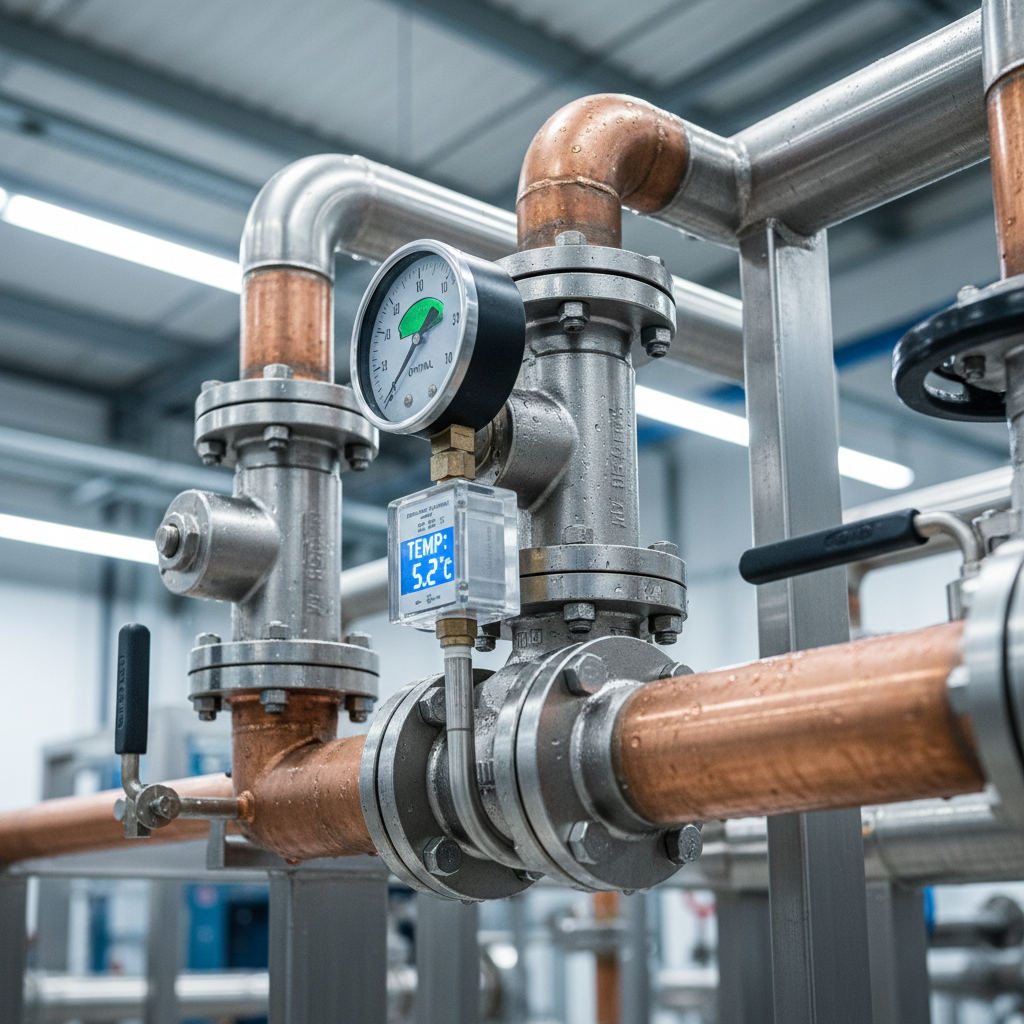
Regular maintenance is crucial for the optimal performance and longevity of absorption chillers. Routine checks should focus on the condition of the solution, heat exchangers, and other critical components. Proper maintenance not only ensures efficiency but also prevents unexpected breakdowns and costly repairs.
By understanding these operational and maintenance needs, businesses can maximize the benefits of absorption chillers, achieving both efficiency and sustainability goals.
Conclusion
Absorption chillers represent a significant step forward in the pursuit of energy-efficient and sustainable cooling solutions. By harnessing waste heat and incorporating innovative technologies, they provide an effective alternative to traditional mechanical chillers. As industries continue to seek greener and more cost-effective solutions, absorption chillers are poised to play a crucial role in the future of cooling technology.