
The Role of Sodium Chlorate in Sustainable Manufacturing: An Eco-Friendly Perspective
CH
The Importance of Sodium Chlorate in Modern Manufacturing
Sodium chlorate has emerged as a vital component in sustainable manufacturing processes. Its role extends beyond its traditional uses, providing eco-friendly solutions that align with contemporary environmental goals. Understanding its applications and benefits helps in appreciating its significance in the industry.
Primarily used in the production of chlorine dioxide, sodium chlorate is crucial in the bleaching process for paper and pulp. This method is favored for its lower environmental impact compared to conventional chlorine bleaching, thus contributing to more sustainable manufacturing practices.
Environmental Benefits of Sodium Chlorate
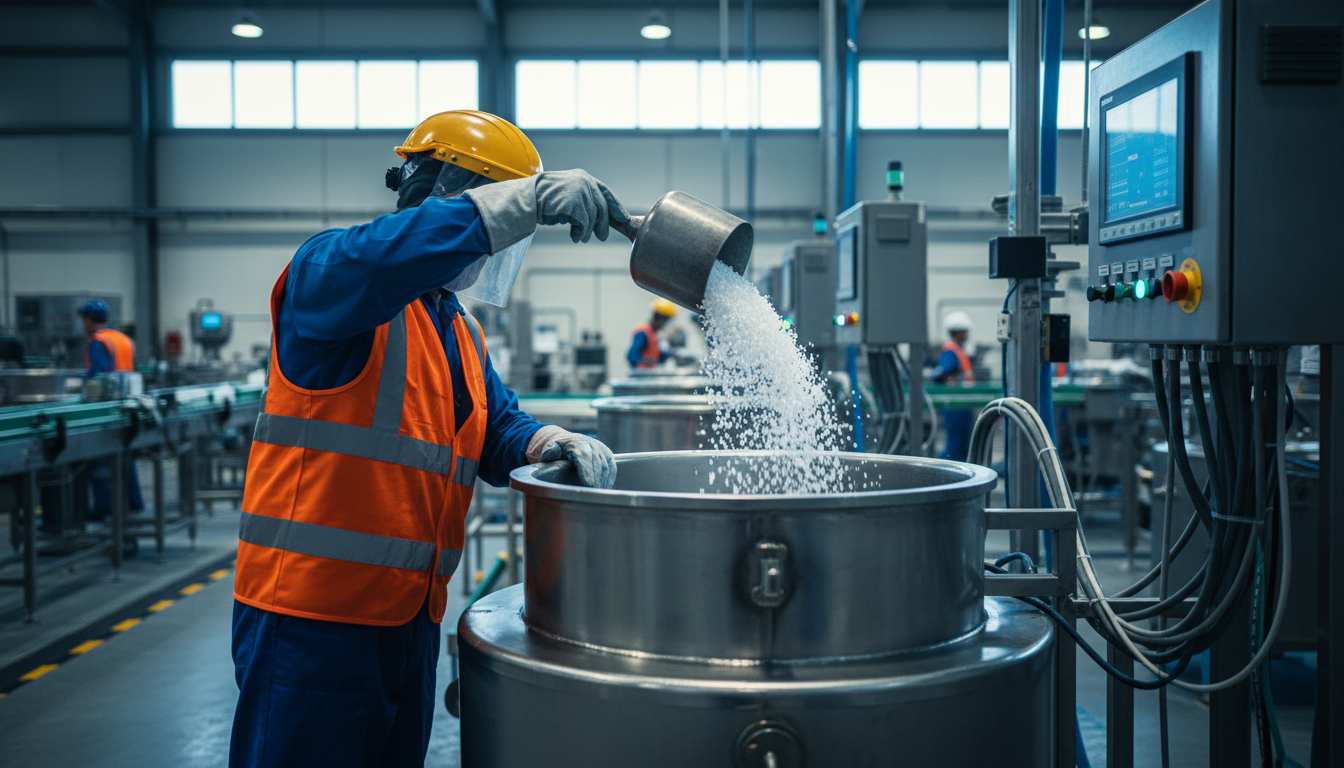
The use of sodium chlorate in manufacturing offers several environmental advantages. Firstly, it helps reduce the emission of harmful substances. Chlorine dioxide, derived from sodium chlorate, minimizes the release of dioxins and other pollutants, making it an environmentally preferable choice.
Additionally, sodium chlorate is a key component in the production of eco-friendly herbicides. These herbicides are designed to decompose quickly in the environment, reducing the risk of soil and water contamination. This aligns with the global move towards sustainable agricultural practices.

Applications in the Pulp and Paper Industry
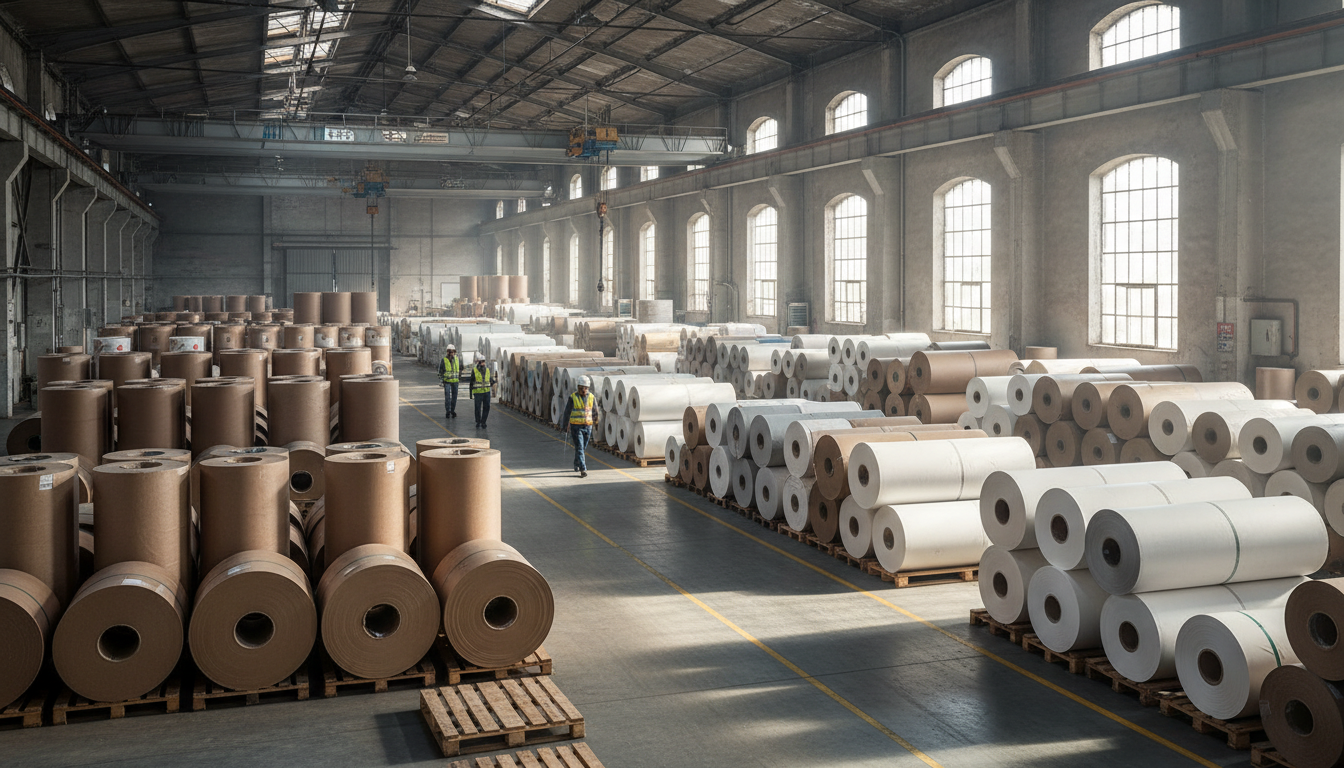
The pulp and paper industry heavily relies on sodium chlorate for its efficient and environmentally friendly bleaching process. The transition from chlorine gas to chlorine dioxide, facilitated by sodium chlorate, has significantly reduced the environmental footprint of paper manufacturing.
This shift is crucial as it not only enhances the quality of the paper but also ensures compliance with stringent environmental regulations. Companies adopting this method often witness improved sustainability ratings, thus enhancing their market reputation.
Sodium Chlorate in Renewable Energy
Another promising application of sodium chlorate is in the renewable energy sector. It plays a role in the production of hydrogen gas, which is increasingly being used as a clean energy source. The process involves using sodium chlorate to produce oxygen, which is then utilized in hydrogen generation.
This method provides a sustainable alternative to fossil fuels, contributing to the reduction of carbon emissions. As the world shifts towards renewable energy, sodium chlorate's role in facilitating this transition cannot be overstated.
Challenges and Considerations
Despite its benefits, the use of sodium chlorate in manufacturing does come with challenges. Handling and storage require careful attention to safety protocols due to its oxidizing properties. Manufacturers must invest in adequate training and infrastructure to ensure safe usage.
Moreover, the production of sodium chlorate itself needs to be monitored to minimize environmental impact. Innovations in production techniques continue to evolve, aiming to enhance efficiency and sustainability.

Future Prospects
Looking ahead, sodium chlorate is expected to play an increasingly important role in sustainable manufacturing. As industries strive to meet environmental targets, the demand for eco-friendly solutions like sodium chlorate will grow.
Research and development are likely to unlock new applications and improve existing processes, solidifying sodium chlorate’s position as a cornerstone of green manufacturing practices. Its potential to contribute to a more sustainable future remains immense.