
The Role of Sodium Chlorate in Modern Industries: A Comprehensive Guide
CH
Introduction to Sodium Chlorate
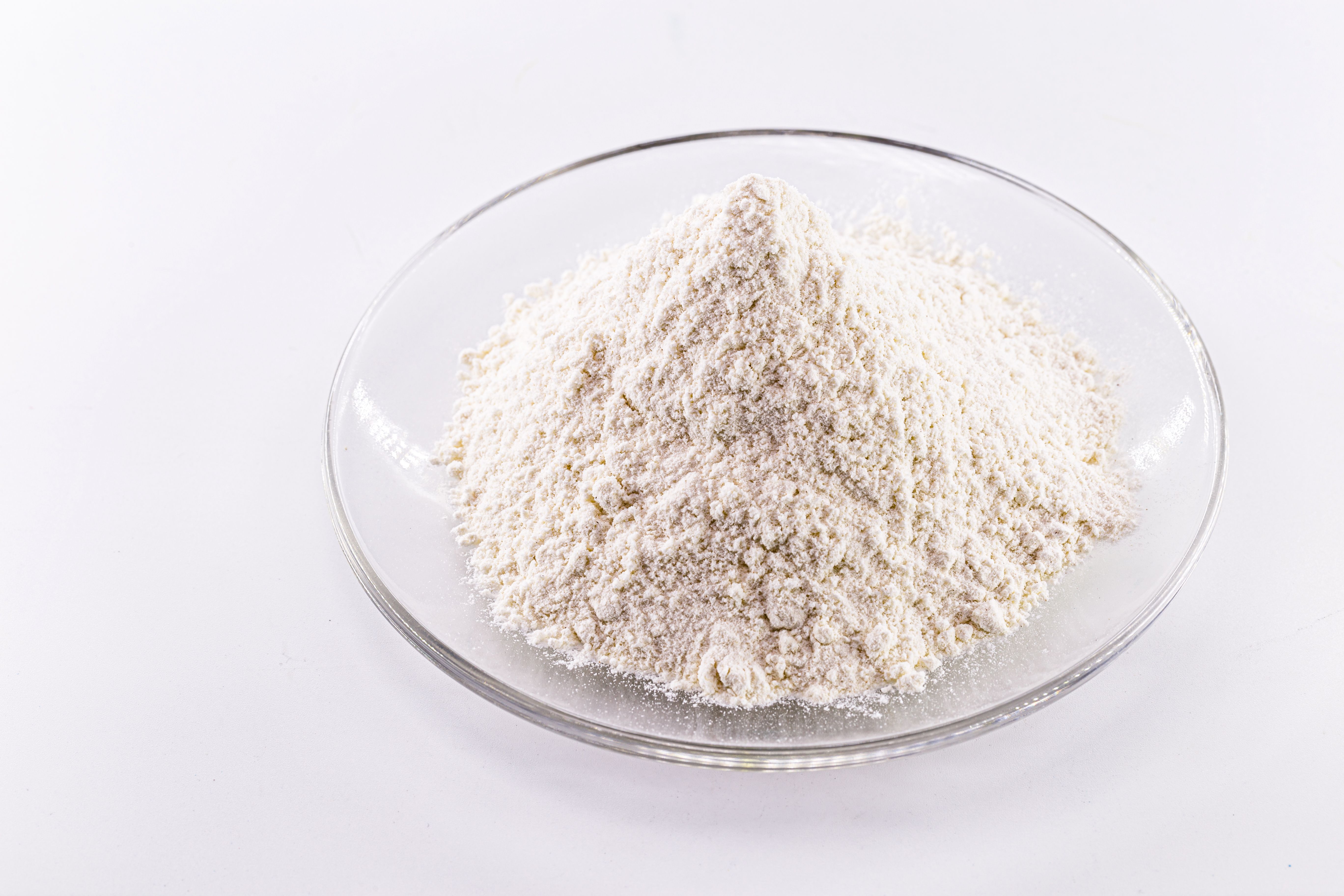
Sodium chlorate is a powerful chemical compound used extensively across various industries. Its chemical formula, NaClO3, signifies a crystalline, colorless compound that has gained prominence for its versatility and effectiveness. This blog post explores the multifaceted role of sodium chlorate in modern industries.
Applications in the Paper and Pulp Industry
One of the primary uses of sodium chlorate is in the paper and pulp industry. It plays a crucial role in the production of chlorine dioxide, which is essential for bleaching wood pulp. This process ensures the production of high-quality, bright paper while being more environmentally friendly compared to traditional methods.
The Bleaching Process
Sodium chlorate is converted into chlorine dioxide through a chemical reaction. This compound acts as a potent bleaching agent, reducing the environmental impact of paper production by minimizing chlorinated by-products.

Role in Agriculture
Sodium chlorate also serves as a non-selective herbicide in agriculture. It is used to control a wide range of weeds, making it valuable for farmers who need efficient and cost-effective solutions to maintain crop health.
Weed Control Benefits
By applying sodium chlorate, farmers can effectively manage weeds, which compete with crops for nutrients, water, and sunlight. This leads to increased crop yields and improved agricultural productivity.

Use in Chemical Manufacturing
In the chemical industry, sodium chlorate is a precursor in the production of potassium chlorate and other chlorate compounds. These chemicals have applications in fireworks, safety matches, and even in oxygen generation systems for submarines and aircraft.
Production of Potassium Chlorate
Potassium chlorate is manufactured by exchanging sodium in sodium chlorate with potassium ions. The resulting compound is crucial for various applications due to its strong oxidizing properties.

Environmental and Safety Considerations
While sodium chlorate is beneficial, it is important to handle it with care due to its reactive nature. Industries must adhere to strict safety guidelines to prevent accidents and environmental contamination.
Safe Handling Practices
Proper storage, handling, and disposal of sodium chlorate can mitigate risks. Companies are encouraged to train employees and implement safety protocols to ensure safe operations.
Conclusion
Sodium chlorate's wide range of applications highlights its importance across multiple industries. From enhancing paper quality to boosting agricultural productivity and aiding in chemical manufacturing, its role is indispensable. As industries continue to evolve, the significance of sodium chlorate is expected to grow, driven by innovation and sustainability efforts.