
The Role of Mechatronics in Modern Manufacturing
CH
In the rapidly evolving landscape of modern manufacturing, mechatronics plays a pivotal role. This interdisciplinary field combines mechanical engineering, electronics, computer science, and control engineering to design and create innovative automated systems. By integrating these diverse areas, mechatronics enhances efficiency, precision, and flexibility in manufacturing processes.
Enhancing Efficiency Through Automation
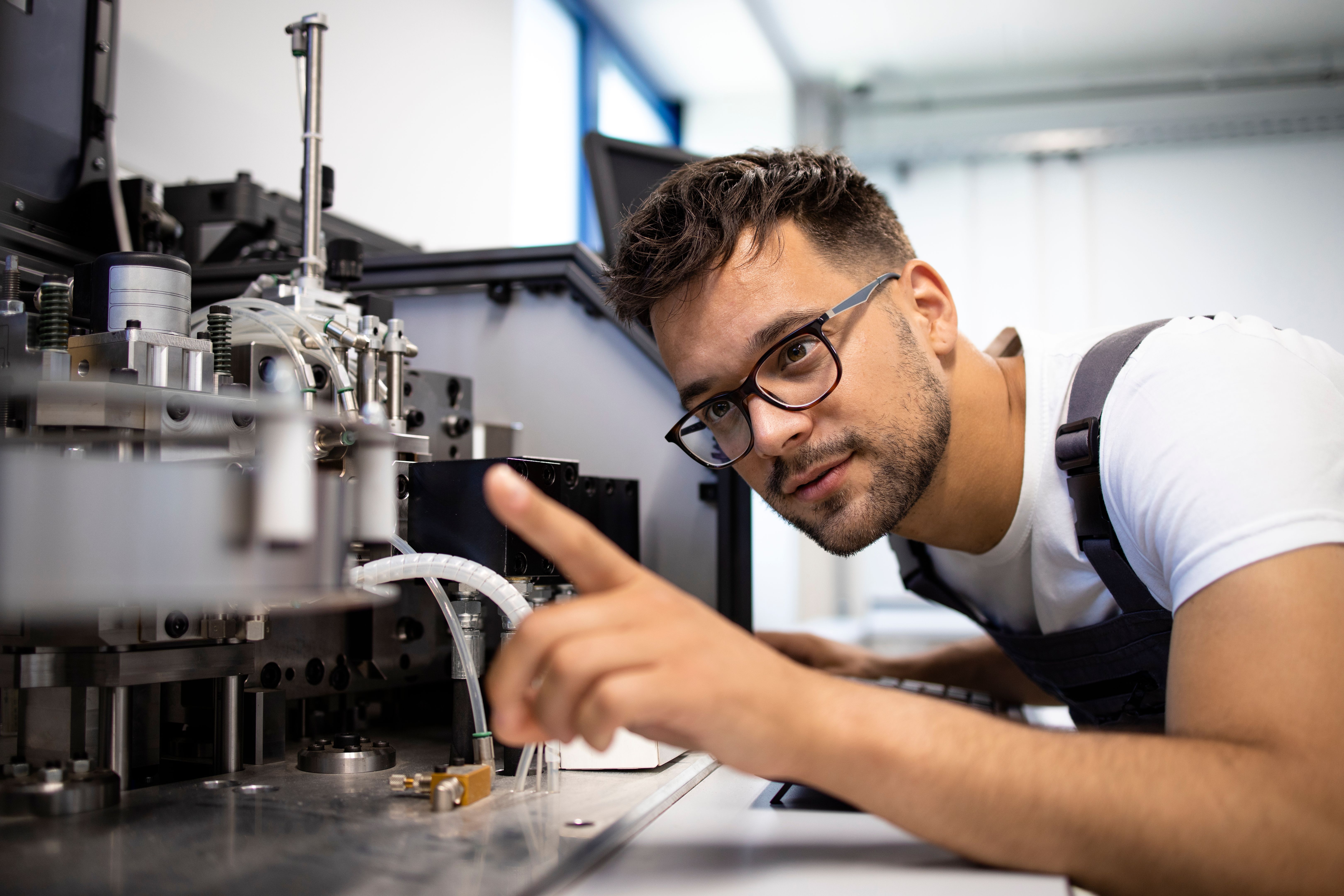
One of the primary contributions of mechatronics to manufacturing is the enhancement of efficiency through automation. Automated systems reduce the need for human intervention, minimizing errors and improving production speed. This leads to higher throughput and lower operational costs.
Modern factories leverage mechatronics to automate repetitive tasks, allowing human workers to focus on more complex and strategic roles. This shift not only optimizes resource allocation but also increases the overall productivity of the manufacturing process.
Precision and Quality Control
Precision is paramount in manufacturing, and mechatronics provides the tools necessary to achieve it. Advanced sensors and control systems ensure that every product meets stringent quality standards. By continuously monitoring and adjusting the production process, these systems maintain high levels of accuracy and consistency.
Furthermore, mechatronics enables real-time data collection and analysis, facilitating proactive quality control. Manufacturers can identify potential issues before they affect the final product, ensuring superior quality and customer satisfaction.

Flexibility and Customization
In today's market, consumer demand for customized products is increasing. Mechatronics empowers manufacturers to meet these demands through adaptable and flexible production lines. Reconfigurable systems allow for quick adjustments to production processes, enabling the efficient manufacturing of diverse product variants.
With the integration of mechatronics, manufacturers can swiftly respond to market changes and customer preferences, offering tailored solutions without significant delays or added costs.
Integration of Advanced Technologies
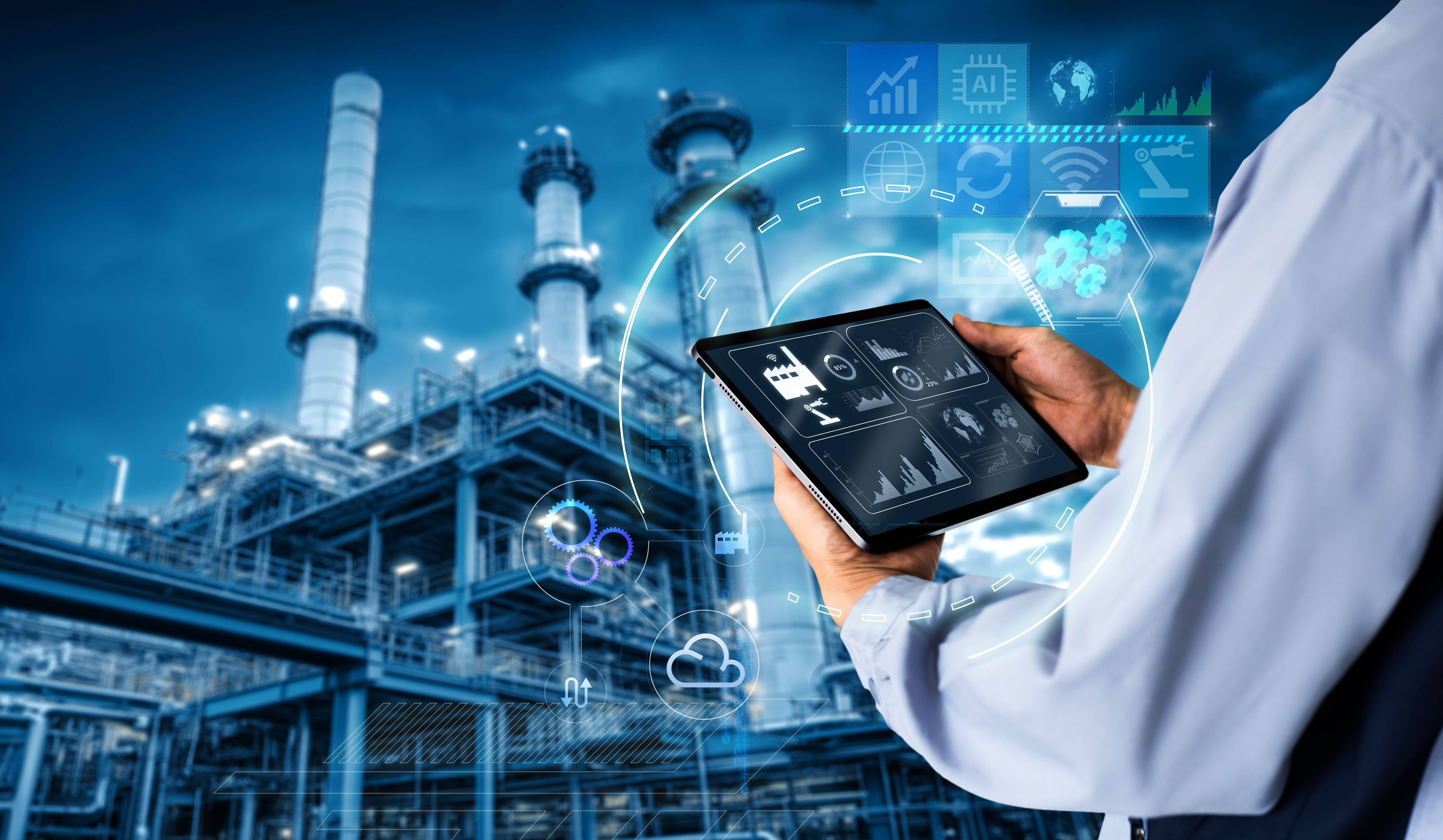
Mechatronics is at the forefront of integrating advanced technologies such as the Internet of Things (IoT), artificial intelligence (AI), and robotics into manufacturing. These technologies work together to create smart factories where machines communicate and collaborate seamlessly.
- IoT: Connects devices for real-time data exchange.
- AI: Enhances decision-making and predictive maintenance.
- Robotics: Automates complex tasks with precision.
The Future of Mechatronics in Manufacturing
As technology continues to advance, the role of mechatronics in manufacturing will only grow more significant. Innovations in AI and robotics will further enhance the capabilities of automated systems, driving even greater efficiencies and product customization.
Manufacturers who embrace mechatronics will be better positioned to compete in the global market, offering high-quality, customized products at competitive prices. The future of manufacturing is undoubtedly intertwined with the advancements in mechatronics, promising a more efficient, flexible, and innovative industry.