
The Role of Inverters in Modern Mechatronics Systems
CH
Understanding Inverters in Mechatronics
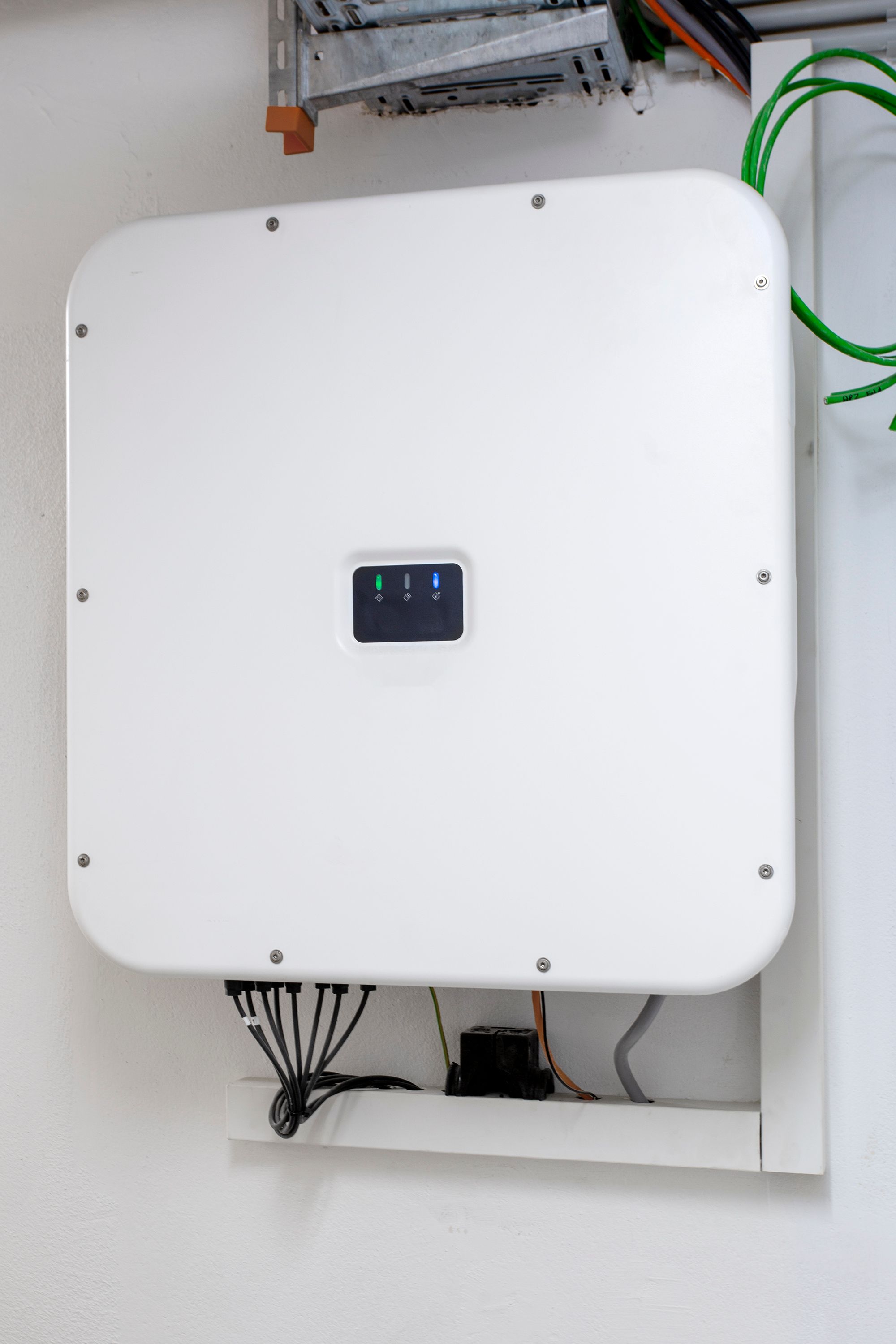
In the realm of modern mechatronics systems, inverters play a crucial role in converting electrical energy to drive motors, control actuators, and manage power distribution efficiently. Mechatronics, which combines mechanical, electronic, and software technologies, relies heavily on precise control and energy efficiency, making inverters indispensable components.
Inverters convert direct current (DC) to alternating current (AC), allowing for adjustable speed and torque control of motors. This flexibility is essential for applications ranging from industrial automation to consumer electronics. They ensure that mechatronic systems operate with optimal performance and energy efficiency.
Applications Across Industries
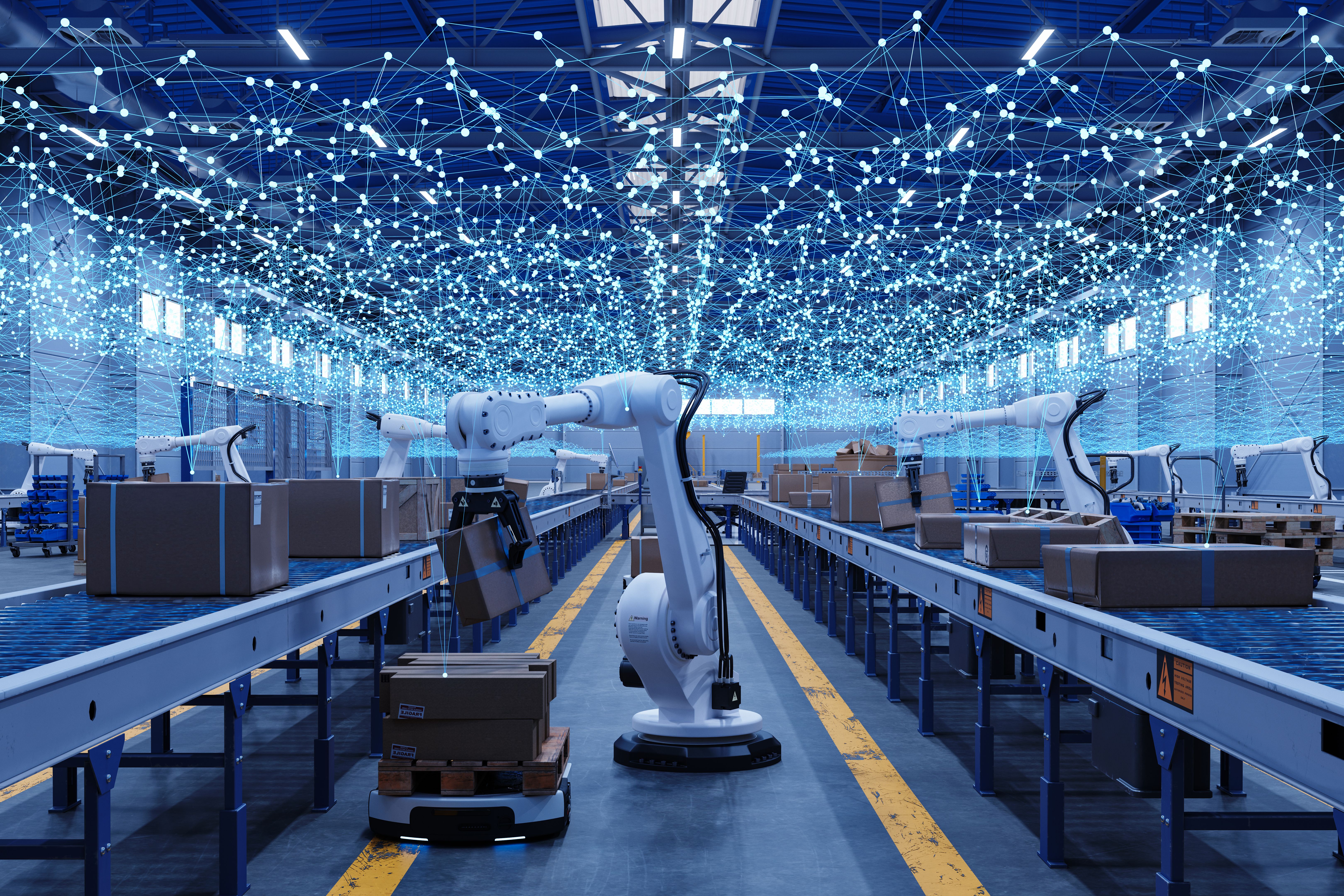
Inverters find applications across a wide range of industries. In manufacturing, they enable precise control of conveyor belts, robotic arms, and CNC machines. This precision not only enhances productivity but also reduces energy consumption, leading to cost savings.
In the automotive industry, inverters are integral to electric vehicles (EVs), where they manage power flow from batteries to the motor, ensuring smooth acceleration and braking. The ability to control power delivery efficiently is critical for extending battery life and vehicle range.

Enhancing Energy Efficiency
Energy efficiency is a key concern in modern engineering, and inverters contribute significantly to achieving this goal. By adjusting the frequency and voltage supplied to the motor, inverters can optimize energy usage, reducing waste and lowering operational costs. This adaptability is particularly beneficial in applications with variable load demands.
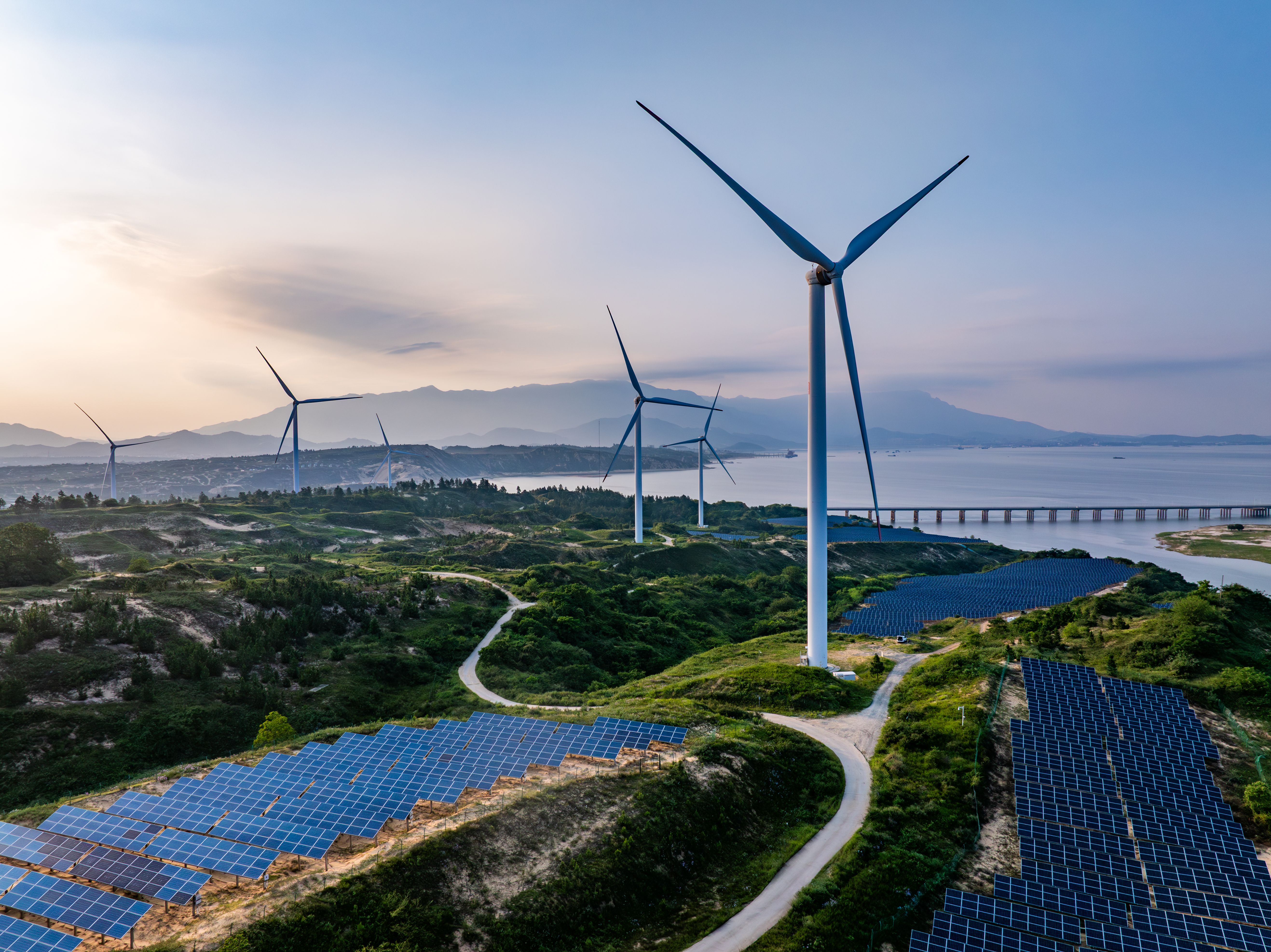
Moreover, the use of inverters in renewable energy systems, such as solar and wind power, highlights their role in energy conversion and distribution. They facilitate the integration of these energy sources into the grid, promoting sustainability and reducing reliance on fossil fuels.
Advancements in Inverter Technology
Recent advancements in inverter technology have further expanded their capabilities. Modern inverters incorporate advanced features such as real-time monitoring, diagnostics, and internet connectivity. These smart inverters can be integrated into the Internet of Things (IoT) ecosystems, providing valuable data for predictive maintenance and system optimization.
The development of smaller, more efficient inverters has also opened up new possibilities for portable and wearable mechatronic devices. As technology continues to evolve, we can expect inverters to become even more integral to the development of innovative solutions across various sectors.
Challenges and Considerations
Despite their numerous advantages, inverters do present certain challenges. Designers must consider factors such as heat dissipation, electromagnetic interference, and harmonic distortion. Addressing these challenges requires careful planning and the use of high-quality components to ensure reliable operation.
Additionally, the integration of inverters into existing systems must be done with precision to avoid compatibility issues. Engineers must balance performance, cost, and space constraints to deliver effective solutions that meet specific application needs.

The Future of Inverters in Mechatronics
Looking ahead, the role of inverters in mechatronics will continue to grow as industries strive for greater efficiency and automation. Innovations in semiconductor materials, such as silicon carbide and gallium nitride, are expected to enhance inverter performance and reduce energy losses further.
As the demand for clean energy and smart technologies rises, inverters will remain at the forefront of driving progress in mechatronics. Their ability to adapt and integrate with various systems ensures they will be a cornerstone of future technological advancements.