
The Role of Inverters in Modern Mechatronics Solutions
CH
Understanding Inverters in Mechatronics
In the evolving landscape of mechatronics, inverters play a pivotal role. These devices convert direct current (DC) into alternating current (AC), facilitating the operation of various components in automated systems. Their ability to control electrical power efficiently makes them indispensable in modern engineering solutions.
Inverters are crucial in applications ranging from robotics to industrial automation, where precise power management is essential. Their integration helps in reducing energy consumption and optimizing system performance, which is increasingly important in today’s eco-conscious world.
Key Functions of Inverters
Inverters are not just about conversion; they also enhance functionality in several ways:
- Speed Control: Inverters allow for precise speed control of motors, which is vital in applications like conveyor belts and robotic arms.
- Energy Efficiency: By optimizing power usage, inverters help in reducing energy costs and carbon footprint.
- Power Quality Improvement: They improve the overall power quality by minimizing harmonics and providing stable voltage output.
These functions make inverters a cornerstone in designing systems that are both efficient and sustainable.
Inverters in Robotics
In the realm of robotics, inverters are essential for controlling the movement and operation of robotic components. They provide the necessary flexibility and precision required for complex tasks, from assembly lines to intricate surgical procedures.
By regulating motor speeds and ensuring smooth transitions, inverters enhance the agility and accuracy of robots, allowing them to perform tasks with human-like dexterity. This capability is crucial in industries where precise and repeatable actions are demanded.
Benefits in Industrial Automation
In industrial automation, inverters contribute significantly to system efficiency. They enable machinery to operate at variable speeds, adapting to diverse production requirements. This adaptability leads to increased productivity and reduced wear and tear on mechanical components.
Furthermore, inverters aid in achieving energy savings by adjusting the power input based on the load, which is particularly beneficial in sectors with high energy demands.
Future Trends and Innovations
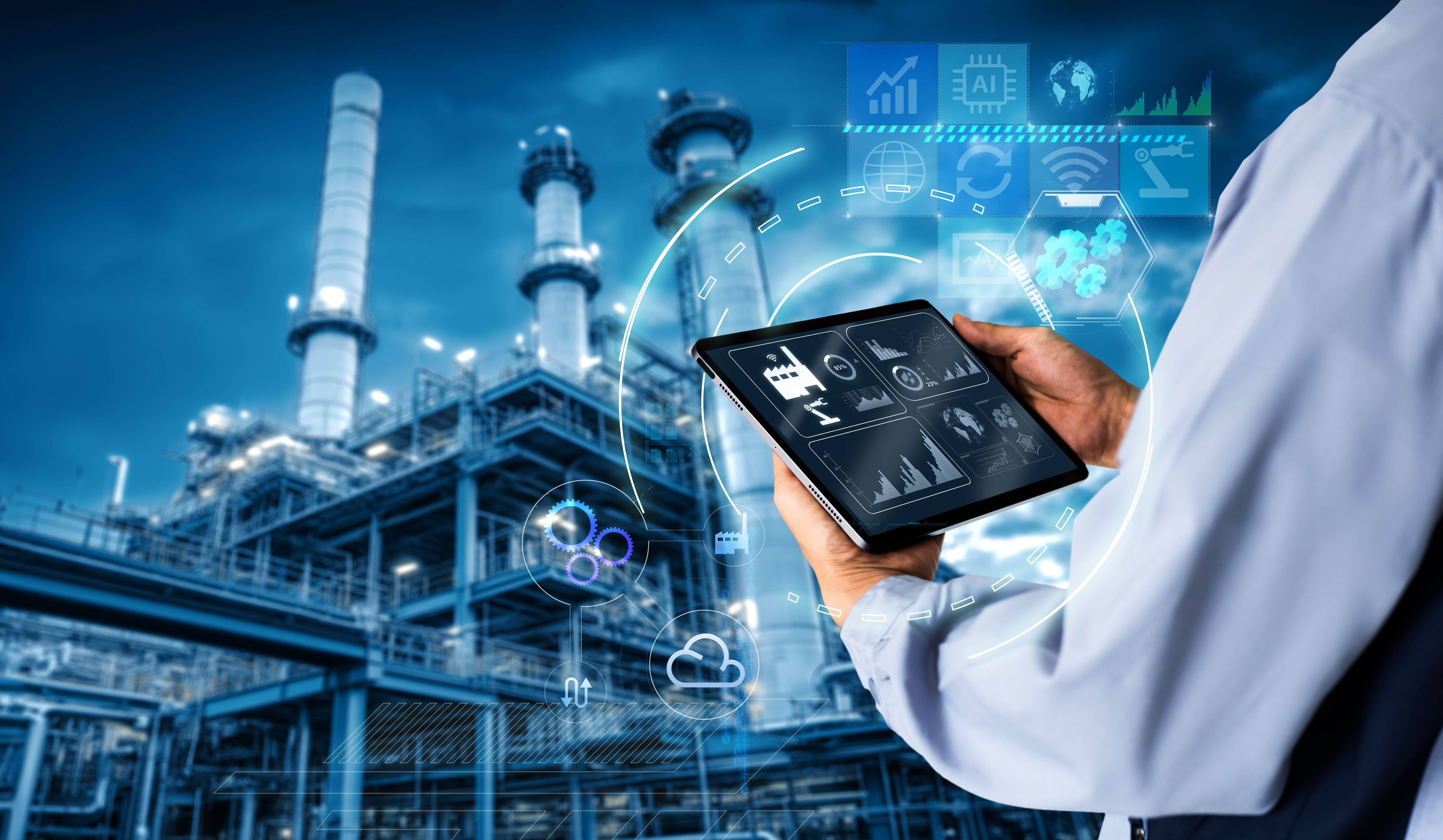
The future of inverters in mechatronics looks promising with advancements in technology. Innovations such as smart inverters, which incorporate AI and IoT capabilities, are paving the way for more intelligent and responsive systems.
These smart systems can predict maintenance needs, adapt to changing environmental conditions, and optimize energy use autonomously. As a result, they offer a glimpse into a future where mechatronic systems are more sustainable and efficient.
Conclusion
Inverters are undeniably a cornerstone of modern mechatronics solutions. Their ability to enhance efficiency, control, and sustainability makes them indispensable in today's technological landscape. As advancements continue, their role is expected to expand, driving innovation in various sectors.
By understanding and leveraging the capabilities of inverters, industries can unlock new potentials in automation, robotics, and beyond, propelling us towards a future where technology and sustainability go hand in hand.