
The Role of Inverters in Modern Mechatronics: Expert Tips and Insights
CH
In the evolving field of mechatronics, the role of inverters is becoming increasingly significant. These devices are integral to converting direct current (DC) into alternating current (AC), which is essential for powering various components within mechatronic systems. Understanding their function can greatly enhance system efficiency and performance.
Inverters are not just a static component; they are dynamic enablers that allow for the precise control of motor speed and torque. This capability is crucial for applications ranging from robotics to industrial automation, where precision and adaptability are key.
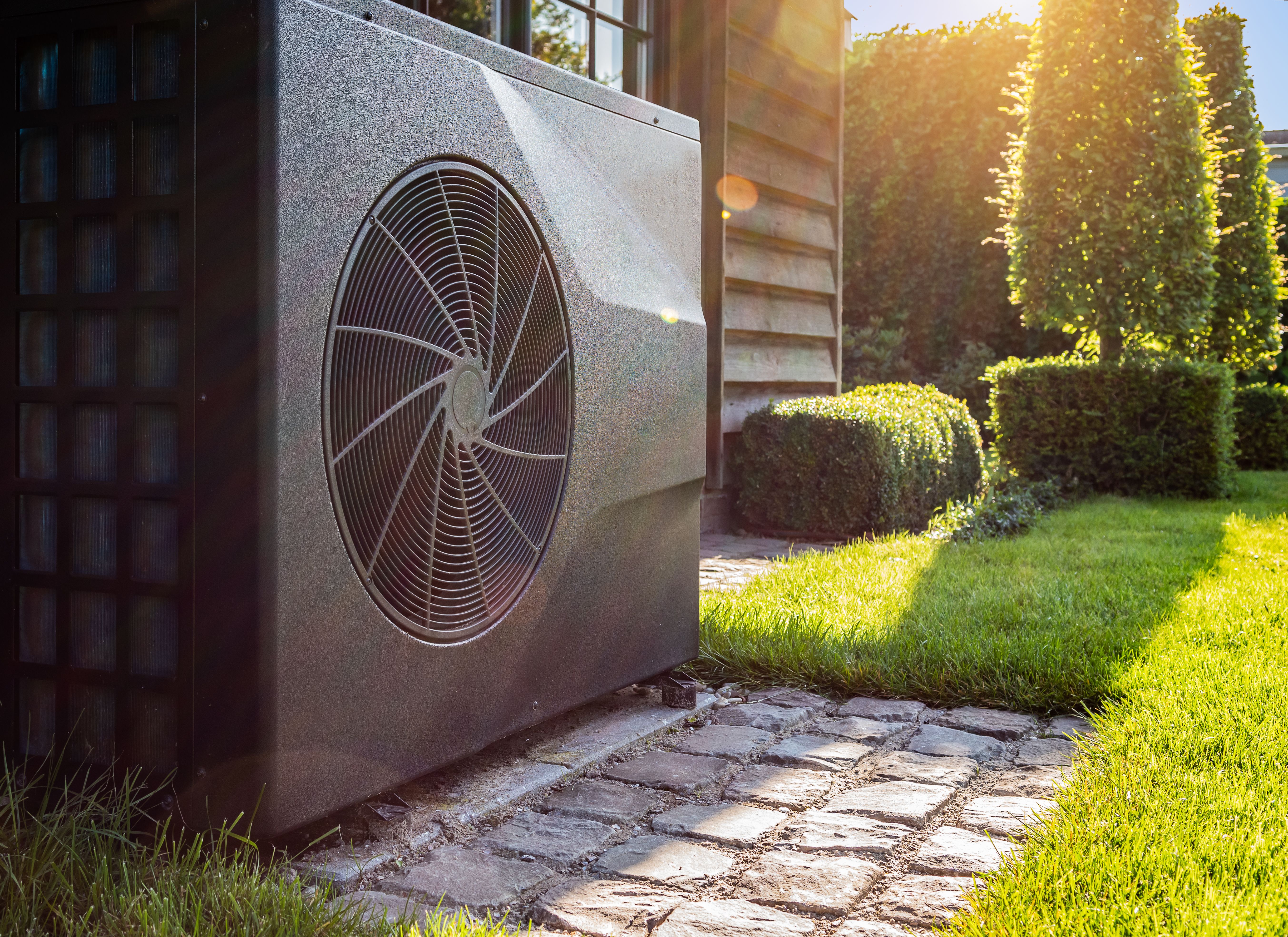
Understanding Inverters in Mechatronic Systems
The primary function of an inverter in mechatronics is to manage energy conversion and control. By modulating the frequency and voltage of the power supplied to an electric motor, inverters enable smooth operation and enhance the lifespan of mechanical components. This is particularly important in systems where variable speed is necessary.
Additionally, inverters play a vital role in energy efficiency. By optimizing power usage and reducing energy waste, they contribute to more sustainable and cost-effective operations. This is becoming increasingly important as industries seek to minimize their environmental impact.

Key Features of Modern Inverters
Modern inverters come equipped with a range of features that enhance their functionality. Some of these include:
- Advanced Control Algorithms: These allow for precise speed and torque control, enhancing performance and efficiency.
- Compact Design: Smaller, more efficient designs allow for easier integration into various systems.
- Improved Thermal Management: Enhanced cooling systems prevent overheating, extending the inverter's lifespan.
These features make modern inverters indispensable in applications that demand high performance and reliability.
Expert Tips for Selecting the Right Inverter
When choosing an inverter for your mechatronic system, several factors should be considered to ensure optimal performance. Here are some expert tips:
- Assess Power Requirements: Determine the power needs of your system to select an inverter with the appropriate capacity.
- Consider the Application: Different applications may require specific features, such as regenerative braking or enhanced connectivity.
- Evaluate Compatibility: Ensure the inverter is compatible with existing components and control systems.
By taking these factors into account, you can choose an inverter that best suits your needs and enhances the performance of your system.
Future Trends in Inverter Technology
The future of inverter technology in mechatronics looks promising, with advancements focusing on increased connectivity and intelligence. Integration with IoT platforms is expected to provide real-time monitoring and diagnostics, further optimizing system performance.
Moreover, the development of more efficient power electronics will likely lead to even smaller and more powerful inverters, opening up new possibilities for innovation in mechatronics.

In conclusion, inverters are a critical component in modern mechatronics, offering the control and efficiency necessary for advanced operations. By staying informed about their features and advancements, you can leverage these devices to enhance your systems effectively.