
The Essential Guide to Sodium Chlorate: Uses, Benefits, and Safety
CH
When it comes to powerful chemical compounds, sodium chlorate stands out due to its versatile applications and effective properties. This compound, with the formula NaClO3, plays a crucial role in various industries. Understanding its uses, benefits, and safety precautions is essential for anyone working with or around this chemical.
What is Sodium Chlorate?
Sodium chlorate is an inorganic compound used primarily as an herbicide, bleaching agent, and oxidizing agent. It appears as a white crystalline substance that is highly soluble in water. Its ability to release oxygen makes it a valuable commodity in several industrial processes.

Industrial Uses of Sodium Chlorate
Bleaching Agent in Paper Production
One of the primary uses of sodium chlorate is in the pulp and paper industry. It serves as a key component in the production of chlorine dioxide, which is used for bleaching wood pulp. This process helps in producing high-quality, white paper products.
Herbicide in Agriculture
Sodium chlorate is widely used as a non-selective herbicide. It effectively controls a broad range of weeds by disrupting plant metabolism. Farmers and agricultural professionals rely on its efficacy to maintain weed-free crops and landscapes.

Benefits of Using Sodium Chlorate
The benefits of sodium chlorate are significant, especially in its primary applications:
- Efficiency: Its strong oxidative properties make it efficient in bleaching and weed control.
- Cost-Effectiveness: Due to its potency, smaller amounts are needed compared to other chemicals.
- Versatility: Its use spans multiple industries, from agriculture to manufacturing.
Safety Precautions
Handling and Storage
Despite its advantages, sodium chlorate must be handled with care. It's a strong oxidizer, which means it can enhance the combustion of other materials. It should be stored in a cool, dry place away from combustible substances.
Health and Environmental Considerations
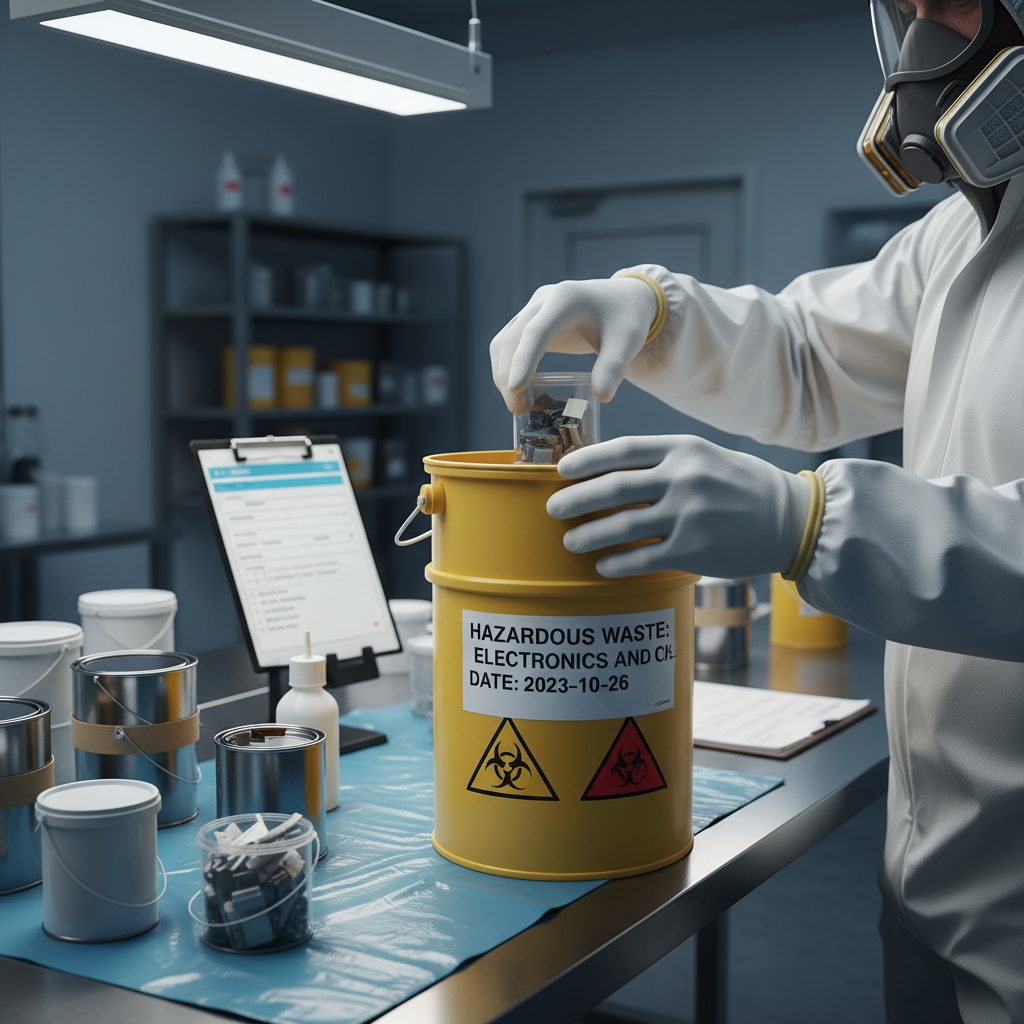
Direct exposure to sodium chlorate can be harmful. It is crucial to use protective gear, such as gloves and masks, when handling the compound. Additionally, proper disposal methods must be followed to prevent environmental contamination.
In conclusion, sodium chlorate is a valuable compound with a wide range of applications. While its benefits are substantial, adhering to safety guidelines is essential to mitigate risks associated with its use. By understanding its properties and handling it responsibly, industries can continue to leverage its advantages effectively.