Sodium Chlorate vs. Alternatives: Making Informed Choices
CH
Understanding Sodium Chlorate
Sodium chlorate is a powerful chemical compound commonly used as a herbicide and in various industrial applications. Its effectiveness in controlling unwanted vegetation makes it a popular choice among farmers and landscapers. However, like any chemical, sodium chlorate comes with its own set of challenges and concerns that users must consider.

Benefits of Using Sodium Chlorate
One of the primary advantages of sodium chlorate is its efficacy in eliminating a wide range of weeds. It is particularly useful for managing invasive species that are resistant to other herbicides. Additionally, sodium chlorate is relatively easy to apply, making it a convenient option for large-scale agricultural operations.
Environmental and Health Concerns
Despite its effectiveness, sodium chlorate poses significant environmental and health risks. It is a strong oxidizing agent and can be harmful if inhaled or ingested. Prolonged exposure can lead to respiratory issues and skin irritation. Moreover, its persistence in the environment can contaminate water sources, affecting aquatic life.

Exploring Alternatives
Given the potential drawbacks of sodium chlorate, exploring alternative solutions is crucial for sustainable and safe weed management. Several options can serve as viable substitutes, each with its own advantages and limitations.
Organic Herbicides
Organic herbicides are gaining popularity as a safer alternative to chemical-based products. These herbicides are typically made from natural ingredients, such as vinegar or essential oils, which reduce the risk of environmental contamination. While they may not be as potent as sodium chlorate, they offer a safer option for home gardens and small farms.
Mechanical Weed Control
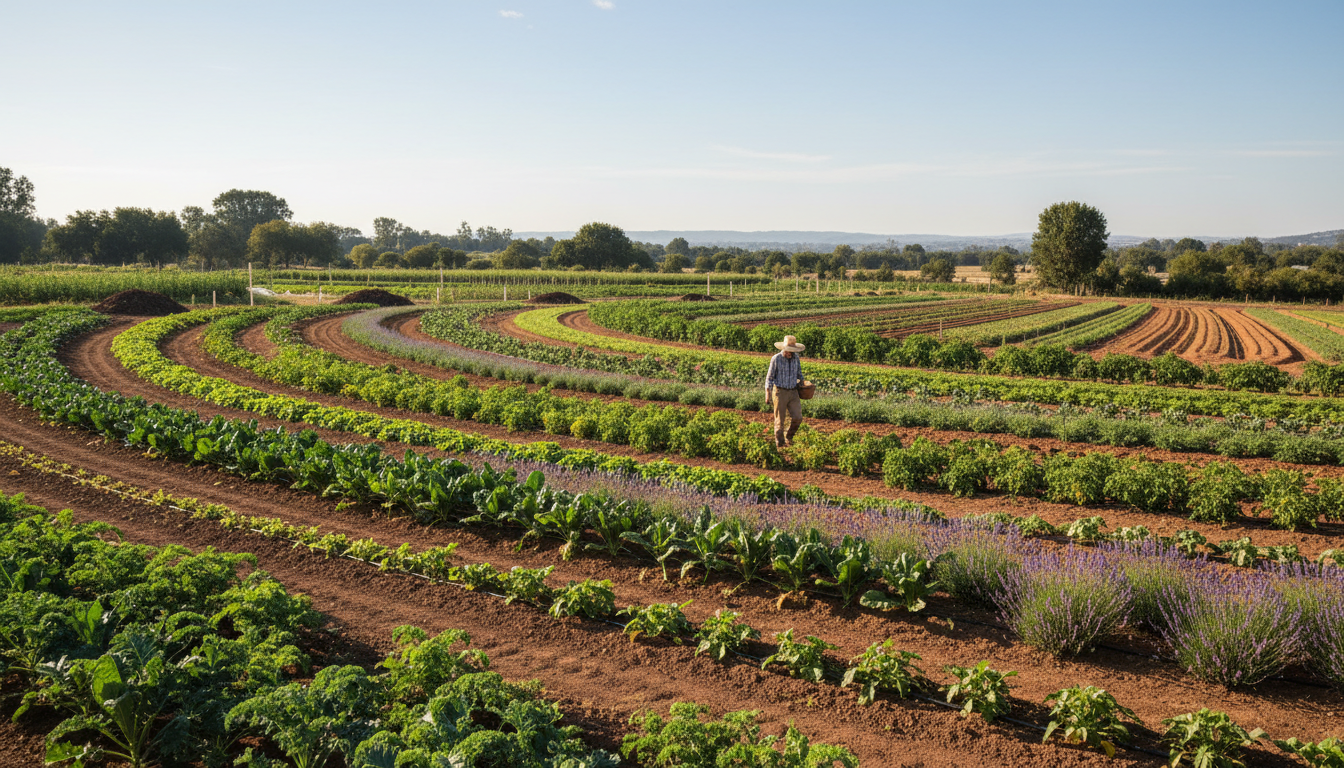
Mechanical methods, such as tilling, mowing, and hand-pulling, are effective non-chemical approaches to weed management. These methods require more labor but eliminate the risks associated with chemical herbicides. Mechanical control is particularly suitable for organic farming and areas where chemical use is restricted.
Making an Informed Choice
Choosing between sodium chlorate and its alternatives depends on various factors, including the scale of operation, environmental impact, and personal safety. For those in large-scale agriculture, sodium chlorate may still be a preferred option due to its efficiency. However, for environmentally-conscious individuals, exploring alternatives can lead to more sustainable practices.
Conclusion
Ultimately, the choice between sodium chlorate and its alternatives requires careful consideration of both benefits and risks. By staying informed and weighing the options, users can make decisions that align with their goals and values, promoting a healthier environment and community.