
Myth-Busting: Common Misconceptions About Sodium Chlorate
CH
Sodium chlorate is a chemical compound that often finds itself at the center of various misconceptions. While it's widely used in industries such as agriculture and paper production, misunderstandings about its properties and uses persist. In this post, we'll delve into some of the most common myths surrounding sodium chlorate and set the record straight.
Sodium Chlorate is Highly Explosive
One of the biggest misconceptions is that sodium chlorate is inherently explosive. In reality, sodium chlorate is an oxidizing agent, which means it can support combustion by releasing oxygen. However, it is not explosive by itself. The danger arises when it comes into contact with flammable materials or is subjected to high heat.
Proper handling and storage are crucial to prevent any hazardous situations. Industries using sodium chlorate follow stringent safety guidelines to minimize risks. It's important to understand that while it can pose dangers, these are manageable with appropriate precautions.

It's Only Used as a Herbicide
Another common myth is that sodium chlorate's sole purpose is as a weed killer. While it is indeed used as a herbicide, its applications are far more diverse. Sodium chlorate plays a significant role in the paper and pulp industry as a bleaching agent. It helps in producing chlorine dioxide, which is essential for the environmentally friendly bleaching of wood pulp.
Furthermore, sodium chlorate is also used in the production of dyes and explosives, showcasing its versatility. Recognizing its wide range of applications helps in appreciating the compound's value beyond just herbicidal properties.

Sodium Chlorate is Unsafe for the Environment
Concerns about environmental safety often lead to the assumption that sodium chlorate is harmful to ecosystems. While it is true that excessive use can be detrimental, regulated and controlled applications significantly mitigate environmental risks. Modern practices focus on minimizing impact and ensuring that use is within safe limits.
Biodegradability is another aspect often overlooked. Sodium chlorate breaks down into harmless substances over time, reducing its long-term environmental footprint. This characteristic makes it a more sustainable choice compared to some alternatives.
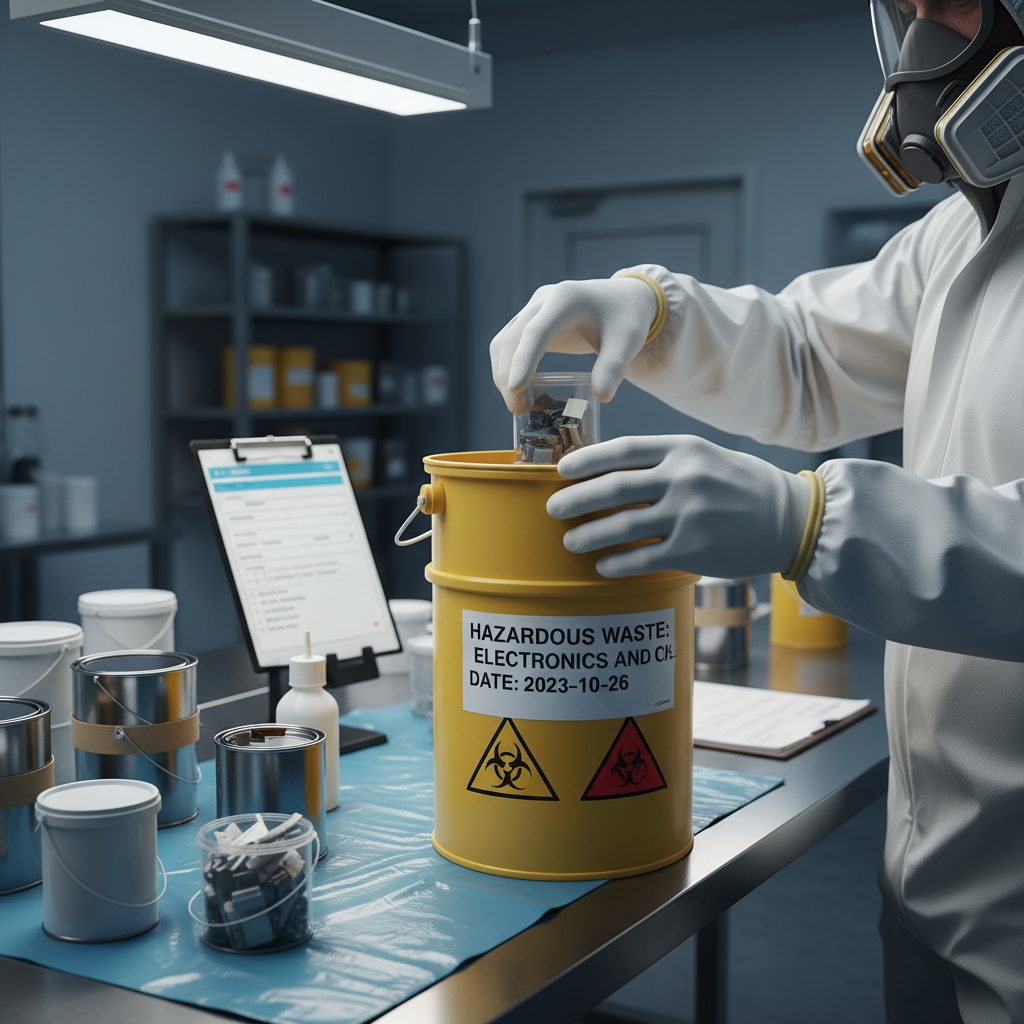
Handling Sodium Chlorate Requires Specialized Equipment
Many people believe that working with sodium chlorate requires specialized equipment. While industrial applications do involve specific handling procedures, the compound itself does not necessitate highly specialized gear for basic safe handling. Standard protective measures, such as gloves and eye protection, are generally sufficient.
The key lies in following established safety protocols. Organizations and industries using sodium chlorate prioritize training and awareness to ensure that all personnel understand how to handle it safely.
Conclusion
Sodium chlorate is a compound shrouded in myths, but understanding its true nature and applications can dispel many of these misconceptions. Whether it's recognizing its diverse uses beyond herbicides or understanding its environmental impact, knowledge is key to appreciating this versatile compound.
By addressing these myths, we can foster a more informed perspective on sodium chlorate, ensuring its continued safe and effective use in various industries.