
Misconceptions About Sodium Chlorate: What You Need to Know
CH
Sodium chlorate is a chemical compound often surrounded by misconceptions. Although widely used in various industries, many people misunderstand its properties and applications. In this blog post, we'll explore some common misconceptions about sodium chlorate and clarify what you need to know.
What is Sodium Chlorate?
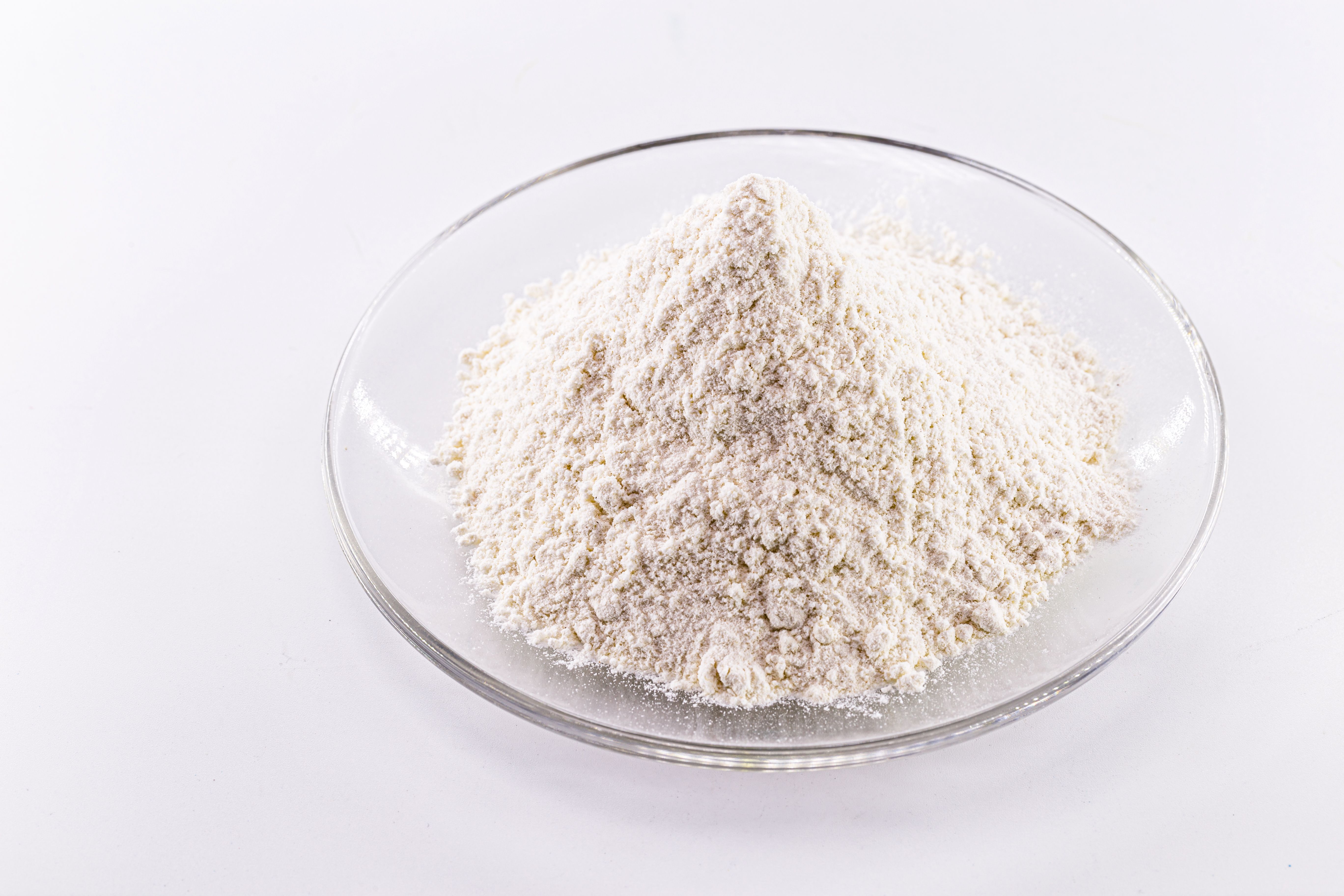
Before addressing misconceptions, it's crucial to understand what sodium chlorate actually is. Sodium chlorate (NaClO3) is a white crystalline substance commonly used as a herbicide and in the paper and pulp industry. It is non-flammable but can accelerate the burning of combustible materials.
Misconception 1: Sodium Chlorate is Inherently Dangerous
One of the most prevalent misconceptions is that sodium chlorate is extremely dangerous. While it can be hazardous under certain conditions, it is generally safe when handled properly. The key is to follow safety guidelines and use the chemical as intended. Many industrial processes have stringent safety measures in place to ensure safe handling.
Misconception 2: It's Only Used as a Herbicide
Another common belief is that sodium chlorate is solely used as a herbicide. In reality, it has a variety of applications. Apart from controlling weeds, it is extensively used in the paper and pulp industry as a bleaching agent. Additionally, sodium chlorate plays a role in the production of oxygen candles, which are used in submarines and spacecraft.

Misconception 3: Sodium Chlorate is the Same as Table Salt
Some people confuse sodium chlorate with sodium chloride, commonly known as table salt. While both contain sodium, they are entirely different compounds with distinct properties and uses. Sodium chlorate is not suitable for consumption and should never be ingested.
How to Handle Sodium Chlorate Safely
Understanding how to handle sodium chlorate safely is essential for minimizing risks. Here are a few safety tips:
- Always store sodium chlorate in a cool, dry place away from flammable materials.
- Wear protective gear, such as gloves and goggles, when handling the compound.
- Follow all safety guidelines and instructions provided by the manufacturer.

Environmental Impact
Concerns about the environmental impact of sodium chlorate are common. When used responsibly, it poses minimal risk to the environment. Proper application and adherence to regulations ensure that its use is sustainable and environmentally friendly.
Conclusion
By dispelling these misconceptions, we hope to provide a clearer understanding of sodium chlorate and its diverse applications. While it requires careful handling, sodium chlorate is a valuable chemical in various industries when used properly. As always, safety and awareness are key to making the most of its benefits.