
Maximizing Efficiency: A Comparison of Mechatronics Solutions
CH
Understanding Mechatronics
In today's rapidly evolving technological landscape, the integration of mechanical, electronic, and software engineering—known as mechatronics—has become crucial for enhancing efficiency across various industries. Mechatronics solutions offer a synergistic approach to designing and operating systems that require precise control and automation. This fusion of disciplines results in innovative products and systems that are more efficient, reliable, and adaptable.
Businesses are increasingly adopting mechatronic systems to streamline operations, reduce downtime, and improve overall productivity. By leveraging the strengths of each component, these solutions provide a comprehensive approach to solving complex engineering challenges.
Key Components of Mechatronics
Mechanical Systems
The mechanical aspect of mechatronics involves the design and operation of machines and structures. This includes the development of components like gears, motors, and levers that form the backbone of any mechanical system. These components must be precisely engineered to ensure smooth operation and optimal performance.
Electronic Control Systems
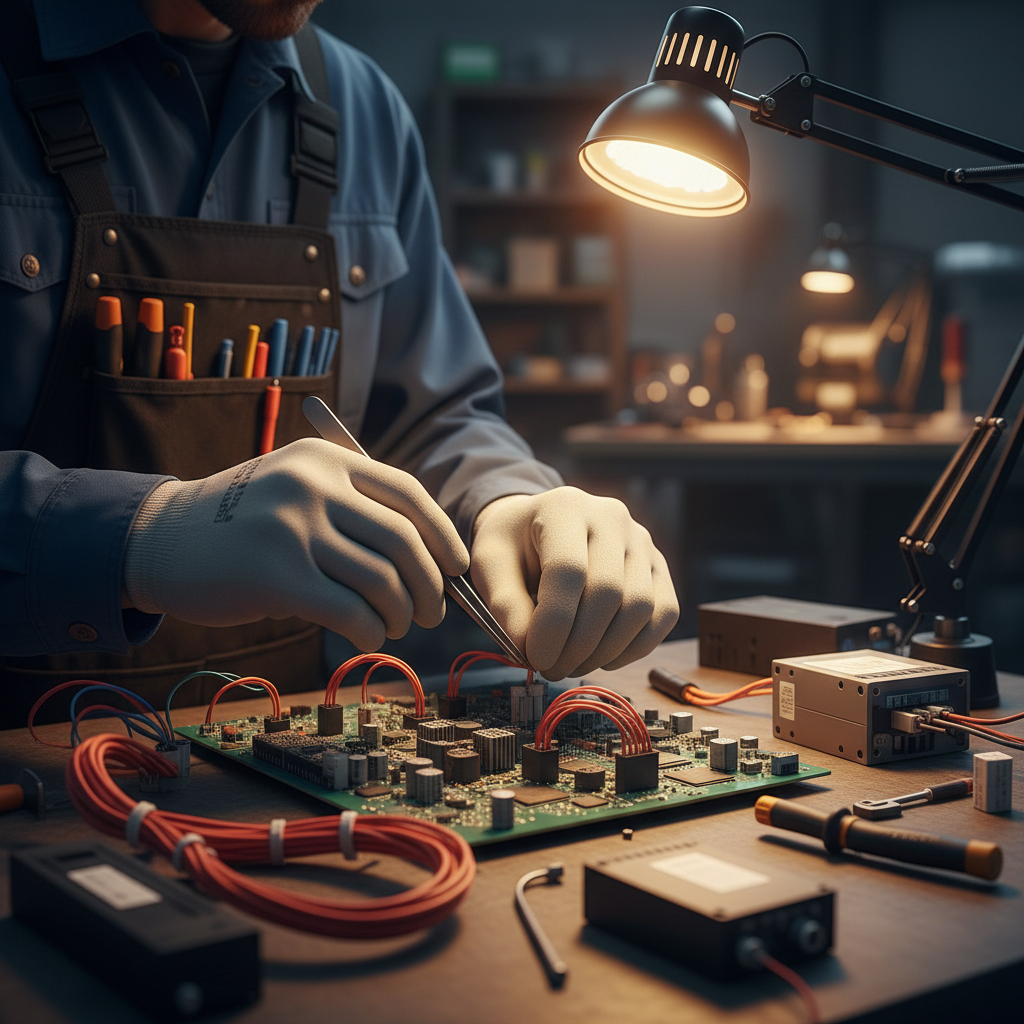
Electronics play a critical role in mechatronics by providing the control necessary for system operation. This involves the use of sensors, actuators, and microcontrollers to monitor and manage the physical processes. The integration of electronic control systems allows for real-time data processing and decision-making, enhancing the system's responsiveness and efficiency.
Benefits of Implementing Mechatronics Solutions
Adopting mechatronics solutions can lead to numerous benefits, including:
- Increased Efficiency: By automating tasks and optimizing processes, mechatronic systems can significantly boost productivity.
- Cost Reduction: Automation reduces the need for manual intervention, leading to lower labor costs and fewer errors.
- Improved Accuracy: Precise control systems ensure consistent and accurate operations, enhancing product quality.

Applications Across Industries
Mechatronics solutions are versatile and can be applied across a wide range of industries. In the automotive sector, they are used in the development of advanced driver-assistance systems (ADAS). In manufacturing, they help automate assembly lines and improve quality control. The healthcare industry benefits from mechatronics through the creation of sophisticated medical devices and diagnostic equipment.
Choosing the Right Mechatronics Solution
Selecting the appropriate mechatronics solution involves evaluating the specific needs of your business and understanding how different components can be integrated to achieve your goals. Considerations include:
- The complexity of the tasks to be automated.
- The need for real-time data processing and feedback.
- Compatibility with existing systems and infrastructure.

Future Trends in Mechatronics
As technology continues to advance, mechatronics solutions are expected to become even more sophisticated. Emerging trends include the integration of artificial intelligence and machine learning, which will enhance decision-making processes and predictive maintenance capabilities. The development of smart sensors and IoT connectivity will further increase the adaptability and efficiency of mechatronic systems.
By staying informed about these advancements, businesses can remain competitive and continue to maximize efficiency through innovative mechatronics solutions.