
Inverters vs. Traditional Systems: A Buyer's Guide for Mechatronics
CH
Understanding Inverters and Traditional Systems
As technology advances, the options available for mechatronics systems continue to grow. Two popular choices are inverters and traditional systems. Both have their place, but understanding their differences is crucial for making an informed decision. In this guide, we'll explore the key aspects that differentiate these systems.
What Are Inverters?
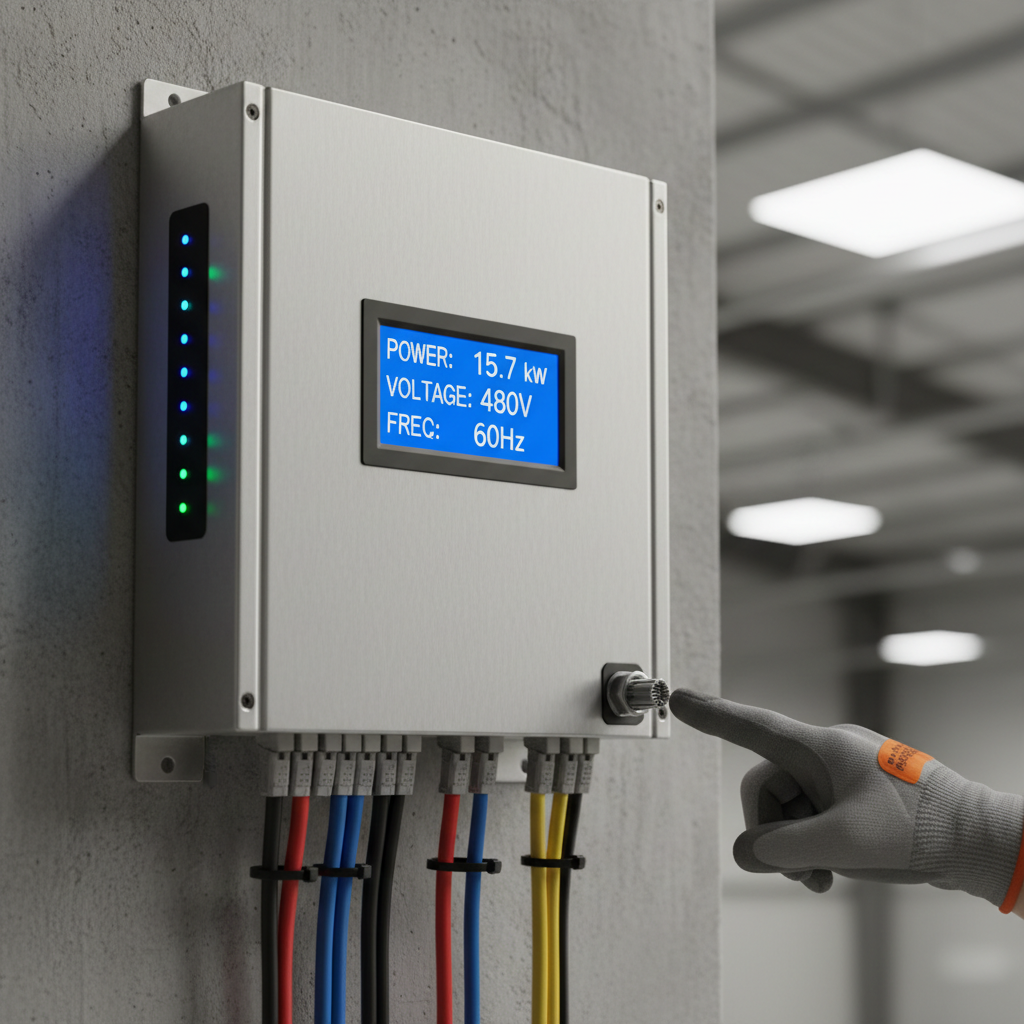
Inverters are devices that convert direct current (DC) into alternating current (AC). They are used in various applications, from renewable energy systems to industrial automation. In mechatronics, inverters offer precise control over motor speed and torque, making them essential for applications requiring high performance and efficiency.
Traditional Systems Explained
Traditional systems, often referred to as direct-on-line (DOL) starters, are simpler and less expensive. They connect motors directly to the power source without modulation. While they are robust and reliable, they lack the control and efficiency offered by modern inverters.
Comparing Efficiency and Control
One of the primary benefits of inverters is their ability to enhance energy efficiency. By adjusting the frequency and voltage supplied to the motor, inverters can optimize energy consumption. This capability reduces operational costs and prolongs equipment life.

In contrast, traditional systems operate at full power, regardless of the load requirements. This can lead to higher energy consumption and increased wear on mechanical components. For applications where energy efficiency is a priority, inverters are often the better choice.
Cost Considerations
While inverters offer superior performance, they come with a higher initial cost. However, the long-term savings in energy and maintenance often justify this investment. Traditional systems, with their lower upfront costs, may be suitable for applications where budget constraints are a primary concern.
Installation and Maintenance
Inverters require a more complex installation process, involving additional components and programming. This complexity can lead to higher installation costs and the need for specialized technicians. However, once installed, they require less frequent maintenance.
Traditional systems, being simpler, are easier and cheaper to install. Maintenance is straightforward but may be required more often due to the lack of efficiency controls.
Choosing the Right System
When deciding between inverters and traditional systems, consider the specific needs of your application. Evaluate factors such as energy efficiency requirements, budget, and the level of control needed. In many cases, the benefits of inverters outweigh their higher initial cost, especially in energy-intensive applications.
Ultimately, the decision will depend on a careful assessment of your project's priorities and constraints. By understanding the strengths and weaknesses of both systems, you can make a choice that aligns with your operational goals.