Integrating Mechatronics for Enhanced Industrial Processes in Singapore
CH
As Singapore continues to evolve as a hub for innovation and technology, integrating mechatronics into industrial processes has become a key driver for enhancing operational efficiency. Mechatronics, a multidisciplinary field combining mechanical engineering, electronics, computer science, and control engineering, offers versatile solutions for modern industries.
Incorporating mechatronics into industrial systems leads to smarter and more adaptive operations. Companies can leverage these technologies to streamline processes, reduce downtime, and improve product quality. With Singapore's strategic focus on smart manufacturing, embracing mechatronics is not just advantageous but essential.

Improving Efficiency and Productivity
One of the primary benefits of mechatronics is its ability to significantly enhance efficiency and productivity in industrial settings. By integrating intelligent systems, factories can automate complex tasks that traditionally require manual intervention. This automation minimizes human error and accelerates production timelines.
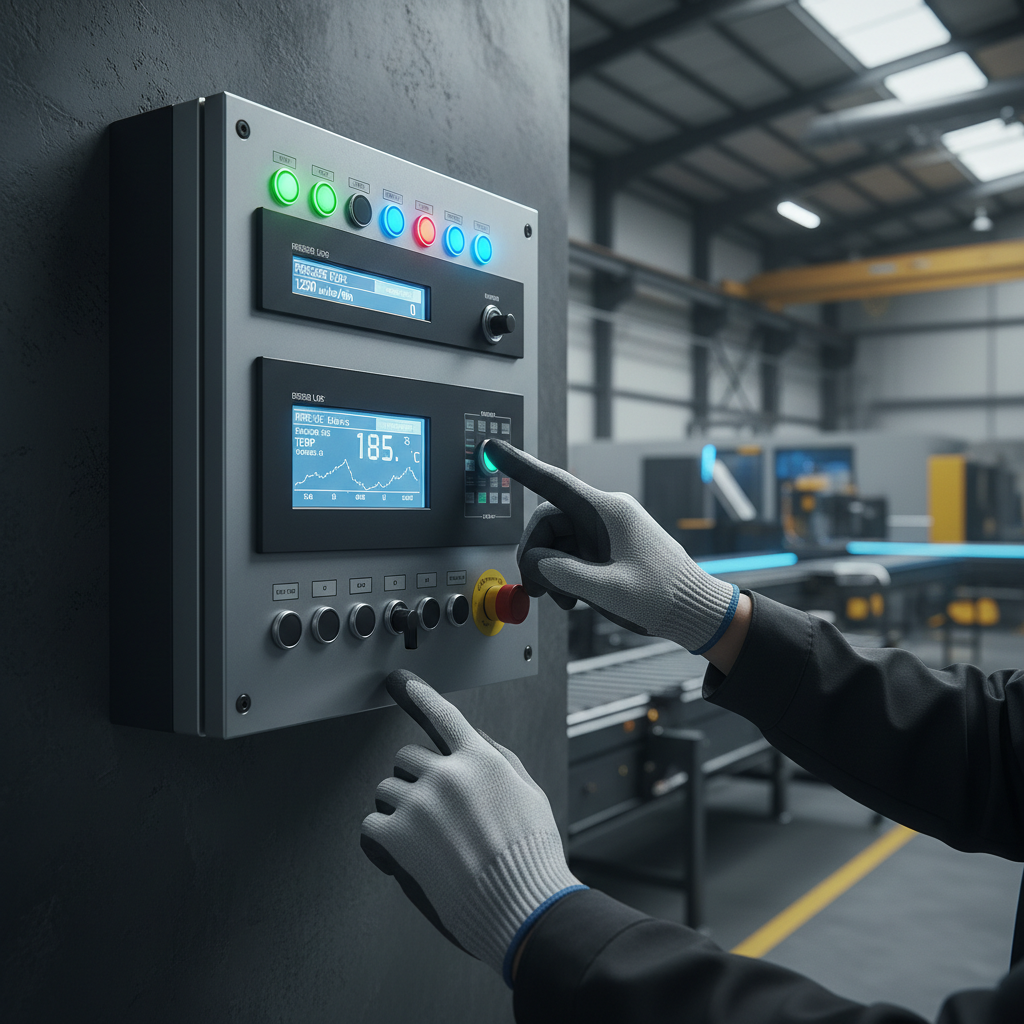
Mechatronic systems also enable real-time monitoring and diagnostics. This capability allows for predictive maintenance, reducing unexpected breakdowns and ensuring continuous operation. As a result, companies can maintain a competitive edge by delivering products faster and with consistent quality.
Advanced Robotics and Automation
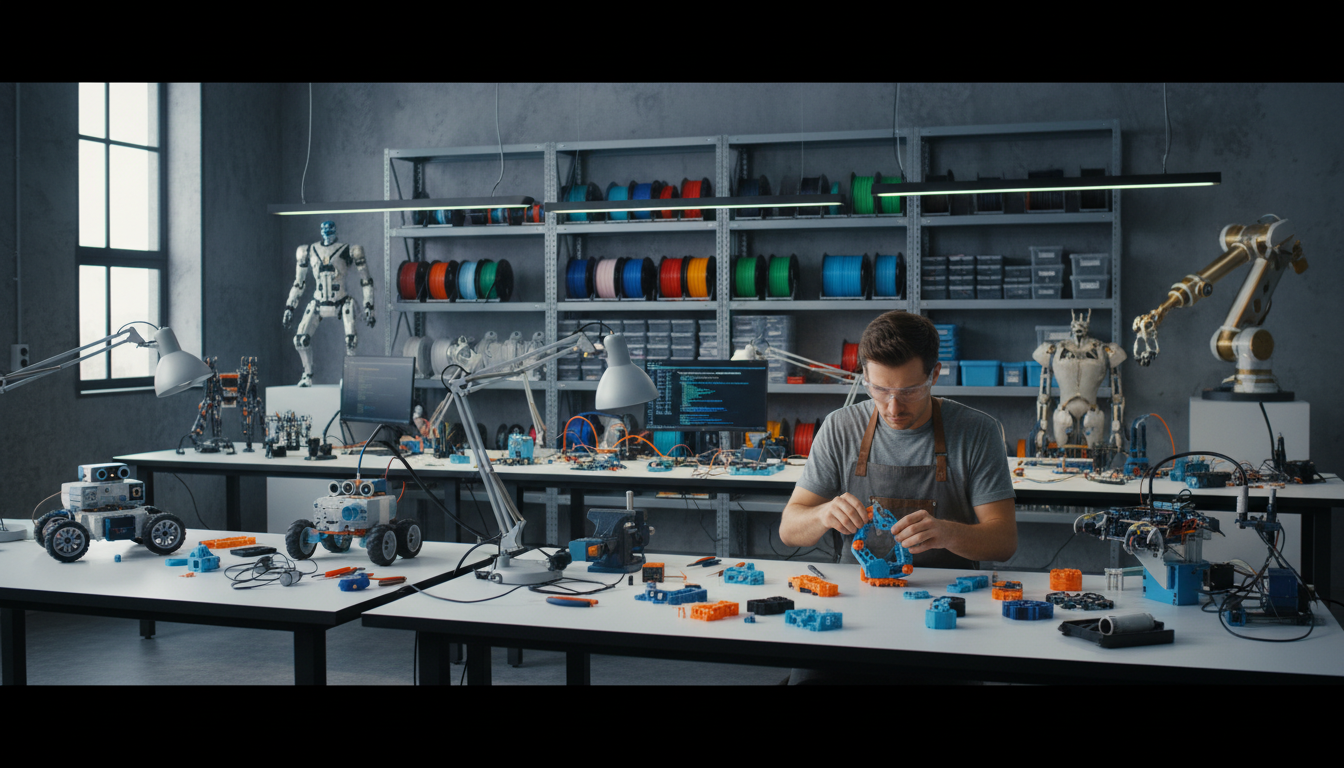
Advanced robotics is a pivotal component of mechatronics. In Singapore, industries are increasingly adopting robotic solutions to manage tasks ranging from assembly to packaging. These robots are equipped with sensors and actuators, enabling them to perform precise and repetitive actions with high accuracy.
Moreover, collaborative robots, or cobots, are designed to work alongside human operators. They enhance workforce capabilities by handling mundane tasks, allowing human workers to focus on more strategic roles. This collaboration fosters a more dynamic and efficient working environment.
Challenges and Opportunities
While the integration of mechatronics offers numerous advantages, it also presents certain challenges. The initial cost of implementation can be high, and there is a continuous need for skilled personnel to manage and maintain these sophisticated systems. However, the long-term benefits often outweigh these hurdles.
Opportunities abound for businesses willing to invest in mechatronic solutions. As Singapore pushes forward with its Smart Nation initiative, industries that adopt these technologies are likely to experience substantial growth. This trend opens doors for partnerships, innovations, and a stronger presence in the global market.
Future Prospects
Looking ahead, the future of mechatronics in Singapore's industrial sector is promising. Advances in artificial intelligence and machine learning are expected to further enhance mechatronic systems, making them even more efficient and adaptable. The ability to learn from data and optimize operations autonomously will revolutionize how industries operate.
In conclusion, mechatronics is poised to play a crucial role in shaping the future of industrial processes in Singapore. By embracing these technologies, businesses can not only improve their current operations but also pave the way for future innovations.