
Innovative Applications of Mechatronics in Modern Industry
CH
Understanding Mechatronics and Its Role
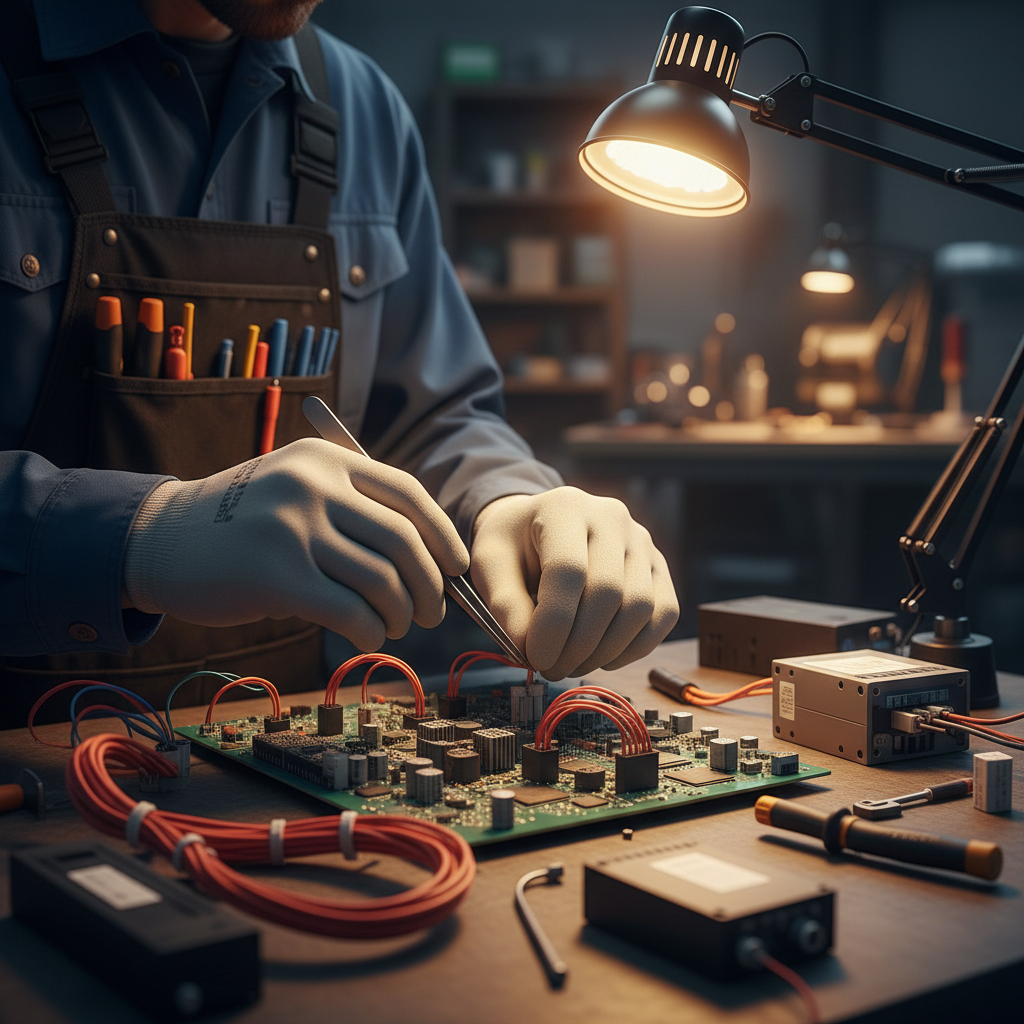
Mechatronics is a multidisciplinary field that combines mechanical engineering, electronics, computer science, and control engineering. It plays a crucial role in modern industry by integrating these disciplines to create more efficient and innovative systems. The seamless interaction between these fields allows for the development of advanced machinery that is smarter and more adaptable.
In today's fast-paced industrial environment, the demand for automation and precision is higher than ever. Mechatronics provides the framework for designing systems that can perform complex tasks with high accuracy, paving the way for increased productivity and quality.
Revolutionizing Manufacturing with Mechatronics
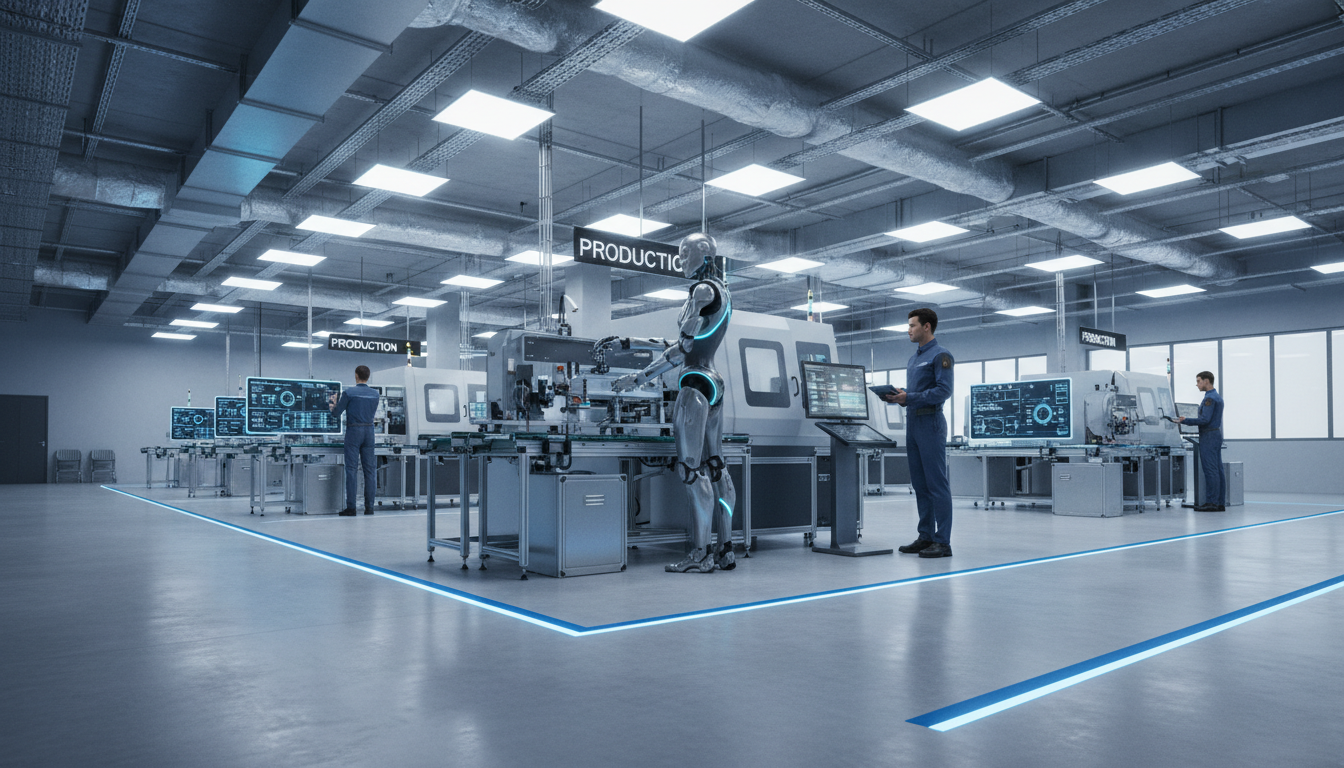
One of the most significant applications of mechatronics is in the manufacturing sector. Automated production lines, robotic arms, and smart machinery are all products of mechatronic engineering. These systems improve efficiency by performing repetitive tasks with greater speed and precision than human workers.
By implementing mechatronics, manufacturers can reduce waste, enhance product quality, and minimize human error. This technology also supports flexible manufacturing systems, which can easily adapt to new products and changing demands, ensuring a competitive edge in the market.
Advanced Robotics
Robotics is a cornerstone of mechatronics, and its applications in industry are vast. From assembly lines to inspection systems, robots equipped with sensors and control systems can perform tasks that were once deemed too dangerous or difficult for humans. These robots are not only improving safety but also increasing efficiency across various sectors.
Enhancing Automotive Industry
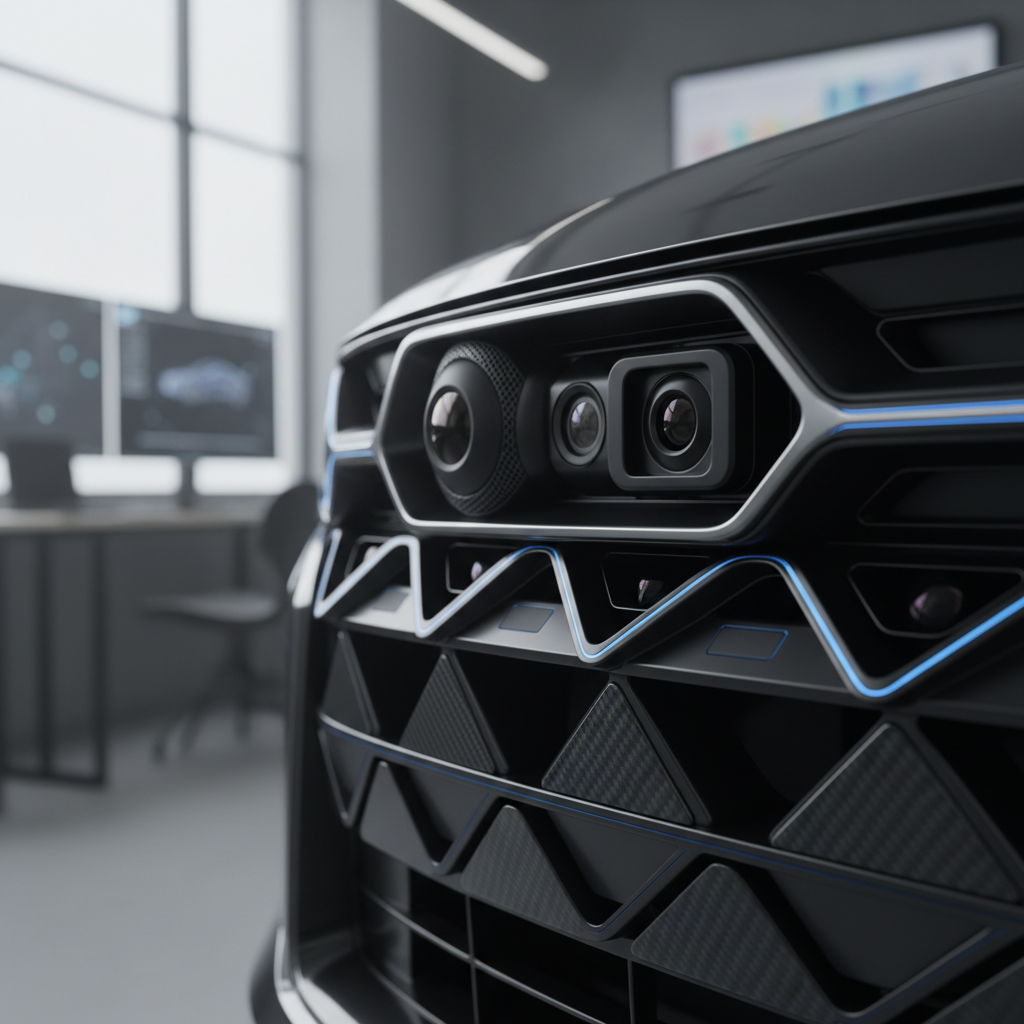
The automotive industry has seen remarkable advancements due to mechatronics. Modern vehicles are equipped with numerous electronic control systems, such as anti-lock braking systems (ABS), adaptive cruise control, and automated parking assistance. These features enhance safety and comfort, making driving more enjoyable and secure.
Moreover, mechatronics is central to the development of electric and autonomous vehicles. These innovations are transforming the automotive landscape, reducing emissions, and paving the way for a more sustainable future.
Mechatronics in Healthcare
In the healthcare sector, mechatronics is instrumental in the development of sophisticated medical devices. Surgical robots, diagnostic machines, and patient monitoring systems all benefit from mechatronic engineering. These technologies allow for minimally invasive procedures, quicker recovery times, and improved patient outcomes.
By enhancing precision and reliability, mechatronics is enabling medical professionals to provide better care and improve the overall quality of healthcare services.
Assistive Devices
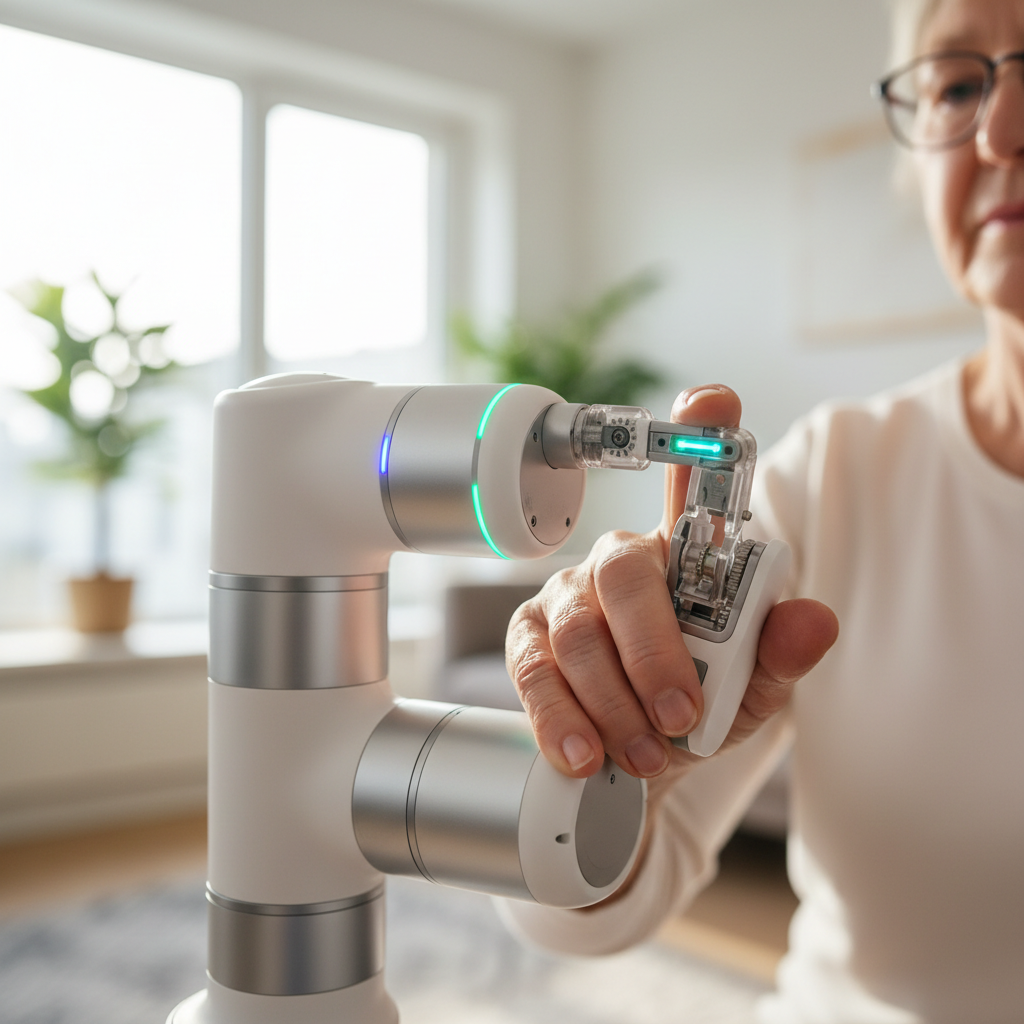
Mechatronics also plays a vital role in creating assistive devices for individuals with disabilities. From prosthetics to mobility aids, these devices enhance the quality of life by providing greater independence and functionality.
Future Trends and Innovations
The future of mechatronics in modern industry is promising, with continuous advancements on the horizon. Emerging technologies such as the Internet of Things (IoT), artificial intelligence, and machine learning are expected to further enhance mechatronic systems, making them more intelligent and responsive.
As industries continue to embrace digital transformation, mechatronics will remain at the forefront, driving innovation and efficiency across various sectors. The integration of smart technologies will lead to even more groundbreaking applications, shaping the future of industry as we know it.