
Innovations in Mechatronics: Enhancing Industrial Automation
CH
Revolutionizing the Industry with Mechatronics
Mechatronics is a multidisciplinary field that merges mechanical engineering, electronics, computer science, and control engineering to design and create intelligent systems. Its role in industrial automation has been transformative, pushing the boundaries of efficiency, precision, and innovation. As industries strive for higher productivity and lower costs, the integration of mechatronic systems is proving to be a game-changer.
The Core Components of Mechatronics
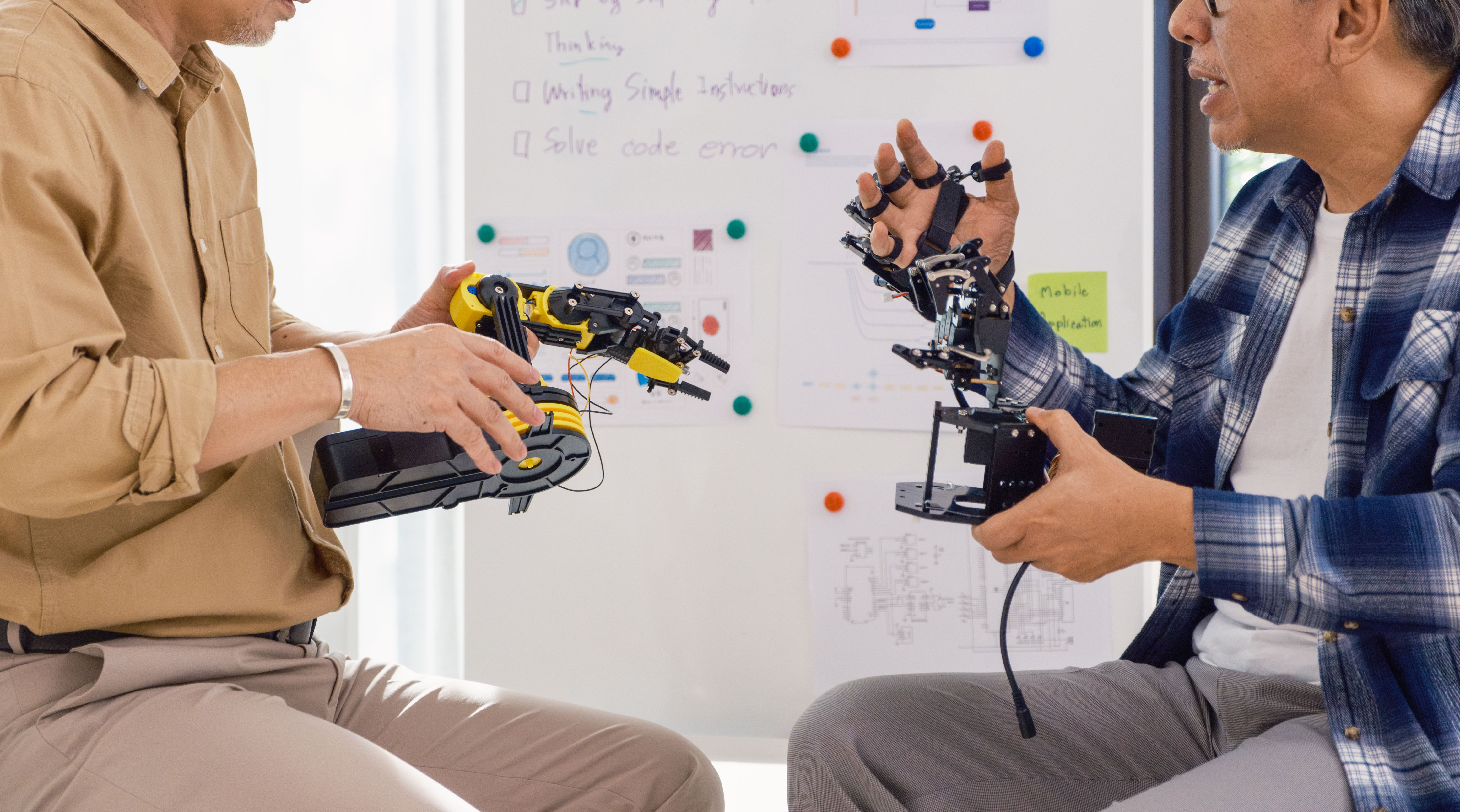
At its core, mechatronics involves the seamless integration of several components:
- Sensors and Actuators: These devices collect data from the environment and execute physical actions, respectively.
- Microcontrollers and Processors: They process the sensor data and control the actuators.
- Software: Advanced algorithms and programming are crucial for decision-making and process automation.
By combining these elements, mechatronics provides a robust framework for developing sophisticated automation solutions that enhance industrial processes.
Advancements in Robotics
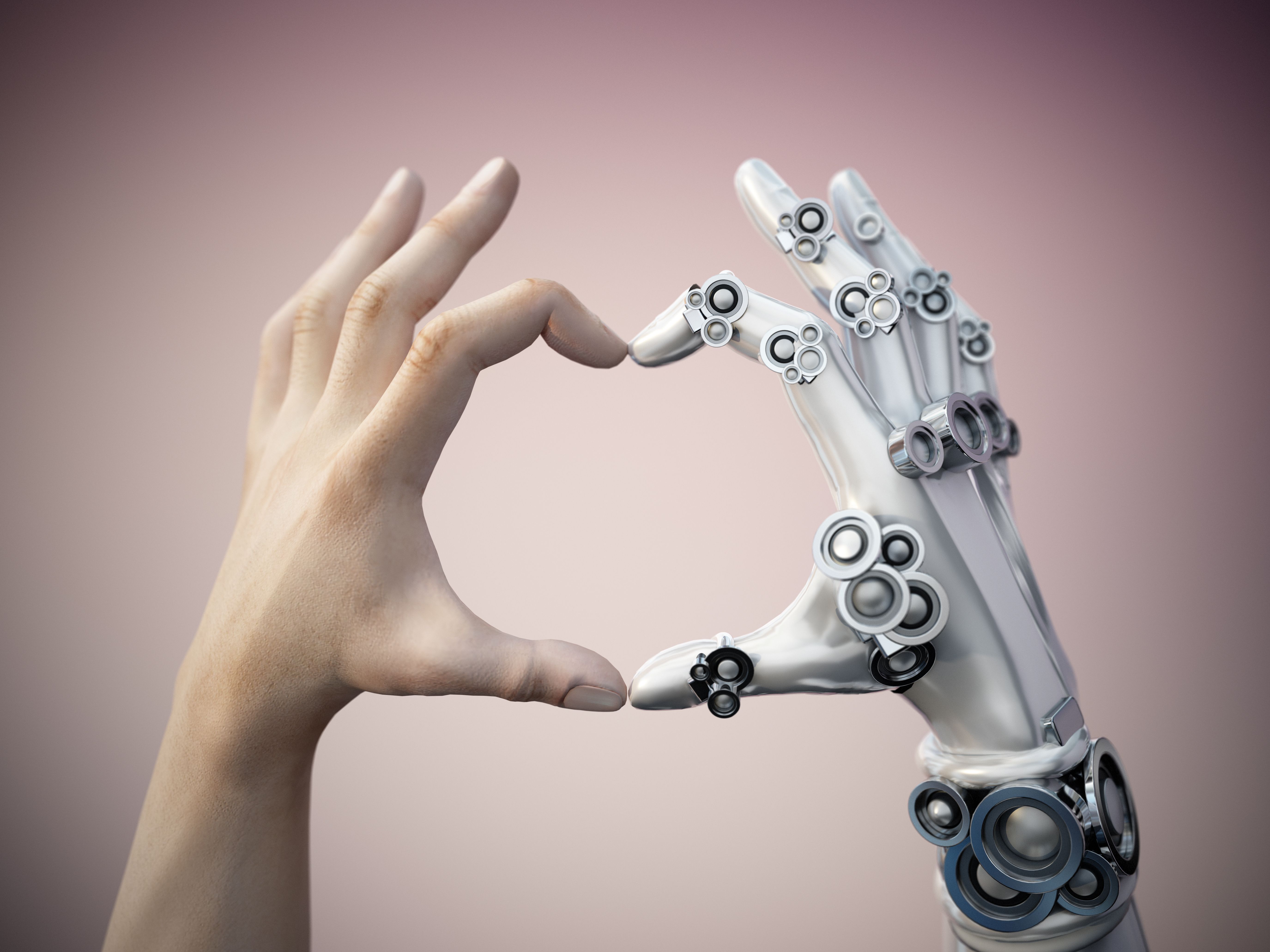
Robotics is one of the most visible areas where mechatronics has made significant strides. Modern industrial robots are not only capable of performing repetitive tasks with high precision but are also becoming increasingly adaptive and intelligent. The integration of AI and machine learning allows these robots to learn from their environment and improve their performance over time.
Smart Manufacturing Systems
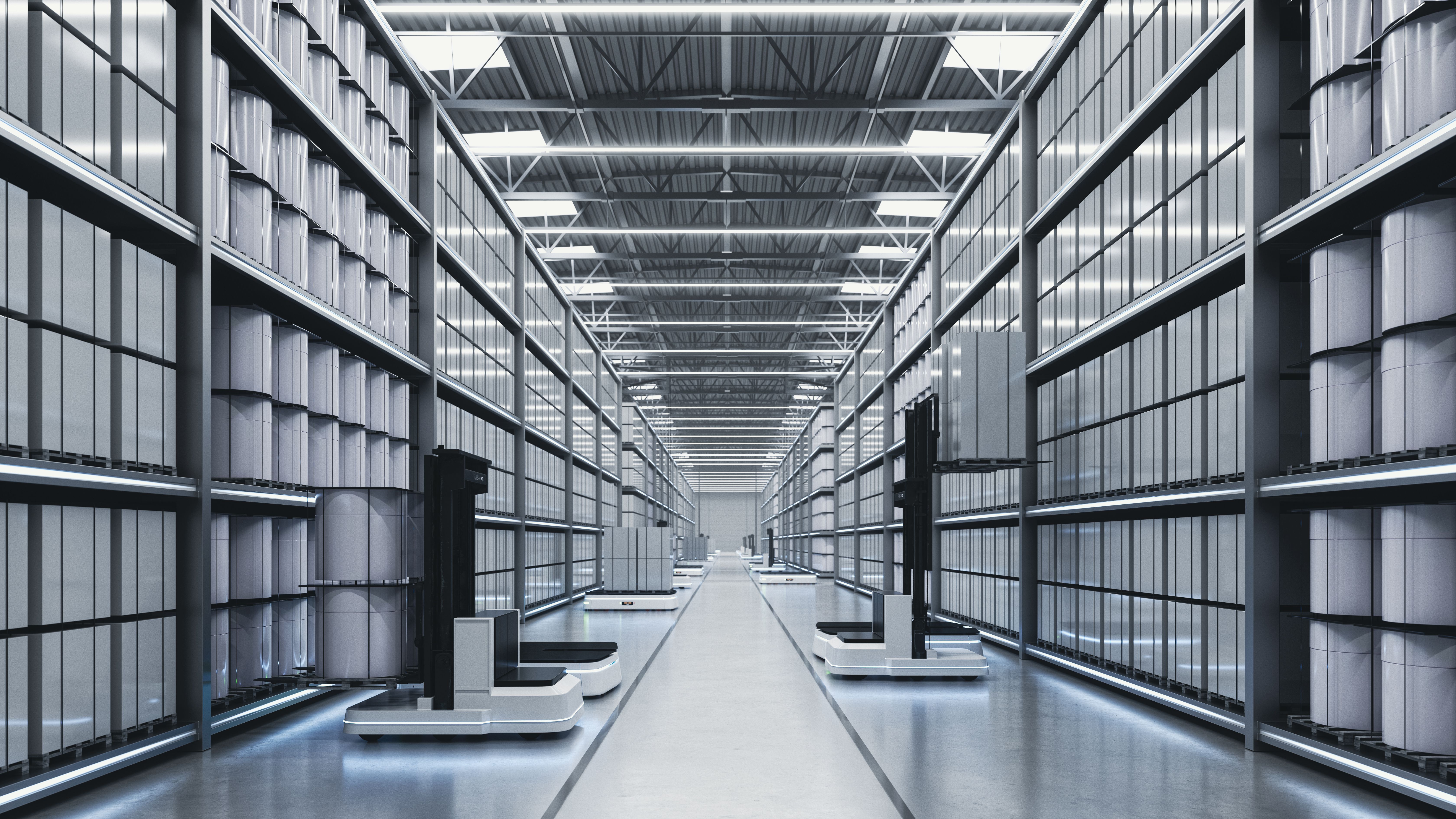
Smart manufacturing leverages mechatronic systems to create highly responsive and adaptable production environments. Through the use of IoT devices, real-time data collection and analysis become possible, enabling manufacturers to optimize their operations dynamically. This leads to reduced downtime, better resource management, and increased flexibility in production lines.
Moreover, predictive maintenance, powered by data from mechatronic systems, helps in foreseeing equipment failures before they occur, thus saving costs and minimizing disruptions.
The Role of AI and Machine Learning
Artificial intelligence (AI) and machine learning are crucial in enhancing the capabilities of mechatronic systems. By processing vast amounts of data, these technologies enable predictive analytics and adaptive control strategies. This leads to smarter decision-making processes and improved automation efficiency.
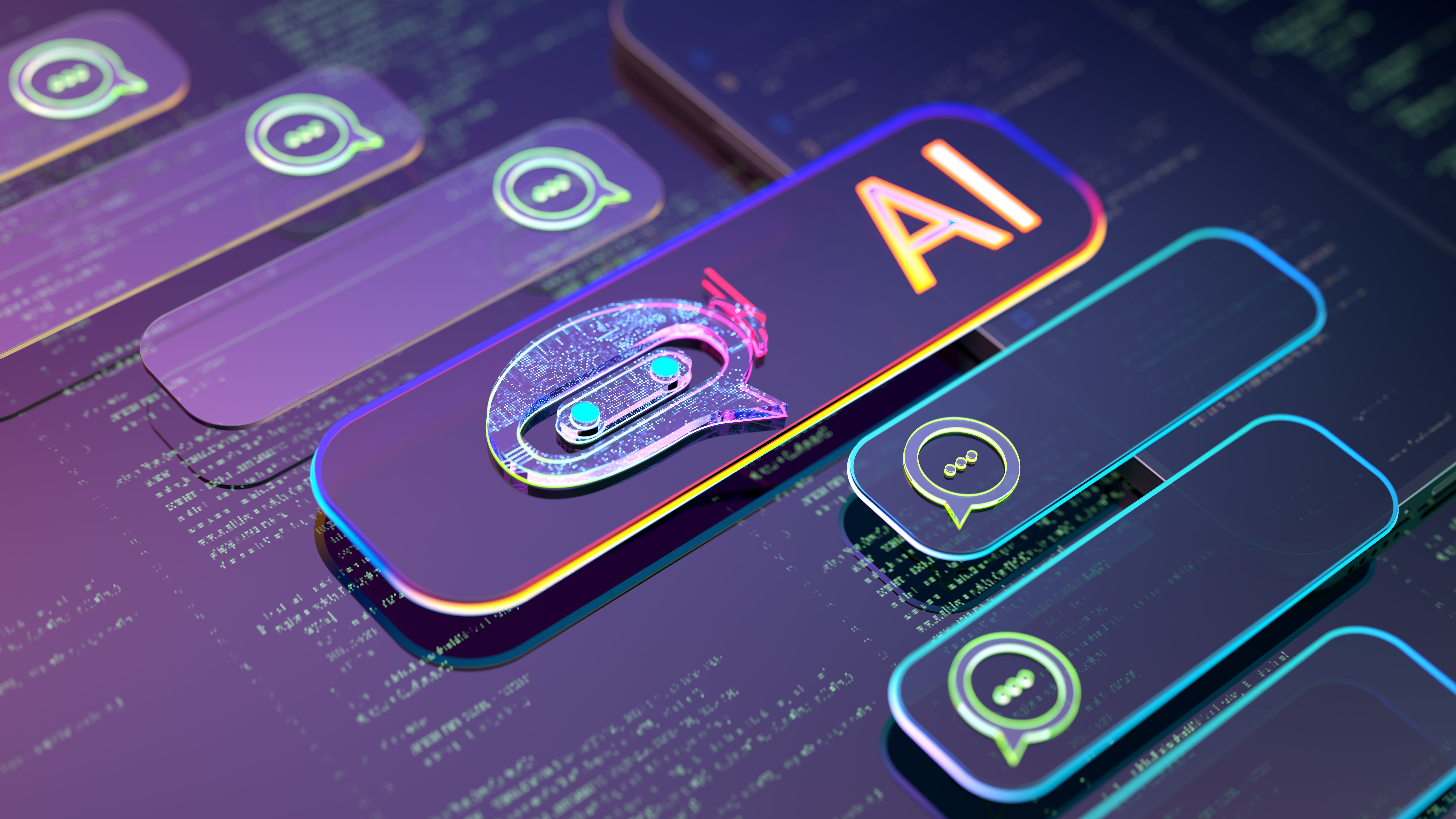
For instance, AI-driven mechatronic systems can autonomously adjust production parameters based on real-time feedback, ensuring optimal performance without human intervention.
Challenges and Future Prospects
Despite its advantages, the integration of mechatronics in industrial automation also presents challenges. These include the complexity of system design, the need for skilled personnel, and cybersecurity concerns. However, ongoing research and development are addressing these hurdles, paving the way for more widespread adoption.
The future of mechatronics in industrial automation is promising. With continuous innovations and technological advances, industries can expect even more sophisticated automation solutions. These developments will further enhance productivity, quality, and sustainability in manufacturing processes.
In conclusion, mechatronics is at the forefront of driving industrial automation forward. As this field evolves, it will undoubtedly continue to play a pivotal role in shaping the future of manufacturing and beyond.