
Exploring the Role of Mechatronics in Modern Manufacturing
CH
Understanding Mechatronics
The integration of mechanical, electronic, and computer engineering, known as mechatronics, plays a pivotal role in modern manufacturing. This interdisciplinary field enhances the efficiency and flexibility of production processes, driving innovation across industries. As manufacturing evolves, mechatronics provides the tools and technology to meet the demands of a fast-paced market.
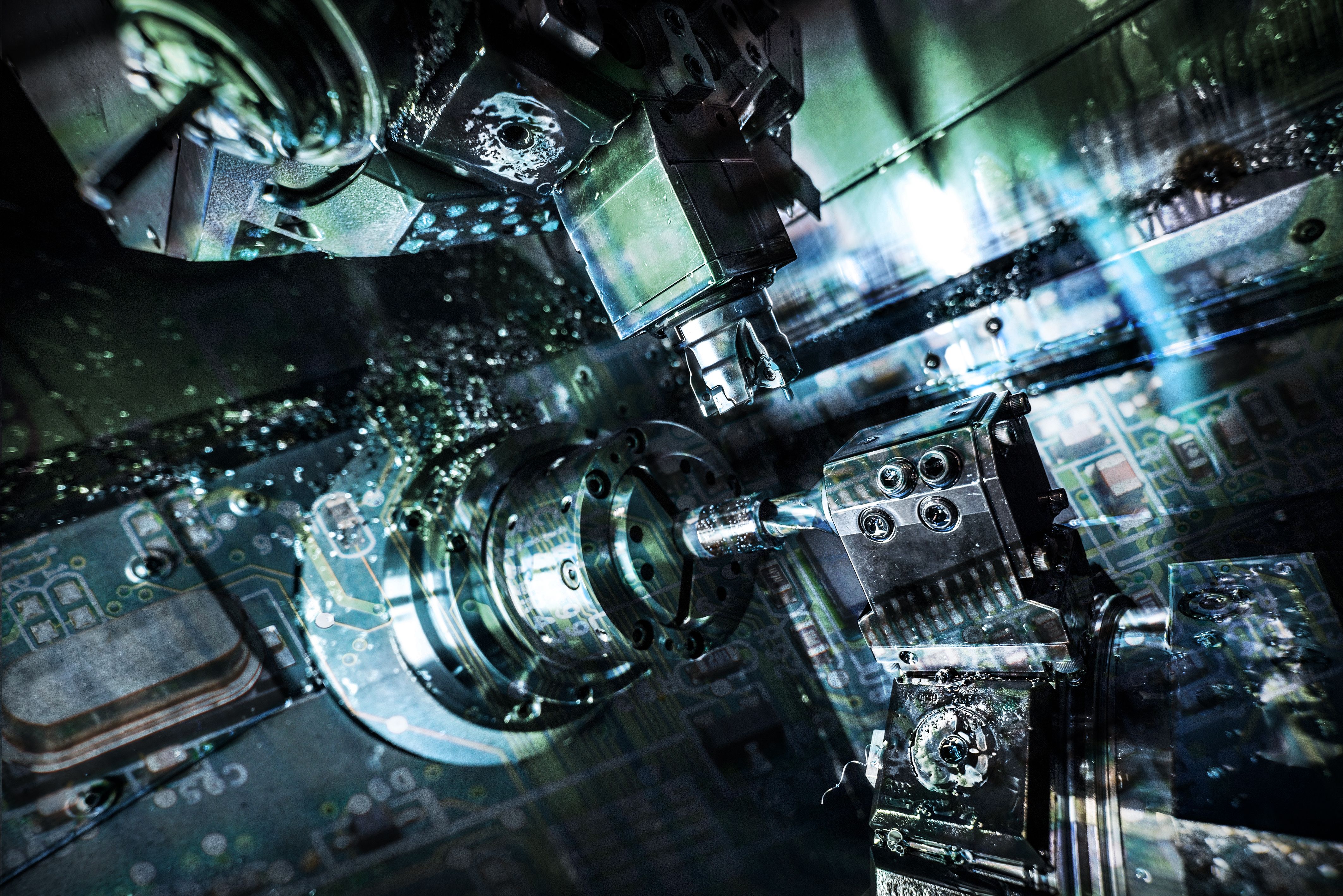
Mechatronics systems are designed to improve automation, precision, and reliability in manufacturing. By combining various engineering principles, these systems enable smarter and more adaptable production lines, making them crucial in today's competitive landscape.
Automation and Robotics
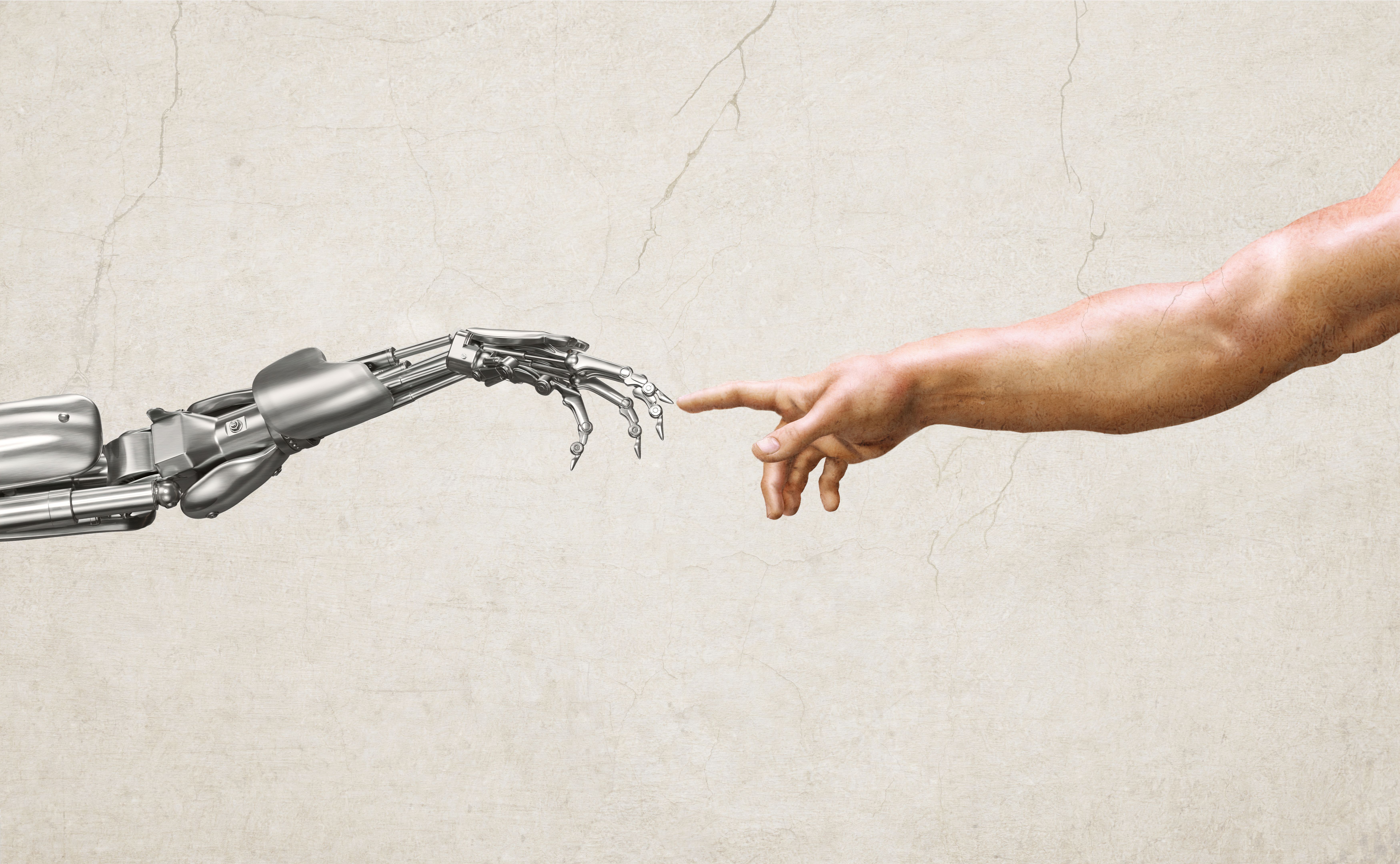
One of the most significant contributions of mechatronics to manufacturing is in the realm of automation and robotics. Automated systems reduce human error, increase productivity, and ensure consistent quality. Robotics, a key component of mechatronics, allows for complex tasks to be performed with high precision and speed.
Robotic arms, for example, are now commonplace in assembly lines, where they handle tasks ranging from welding to painting. These machines operate tirelessly, ensuring that production runs smoothly and efficiently, thus significantly reducing downtime and operational costs.
Enhancing Flexibility and Adaptability
Another advantage of mechatronics in manufacturing is its ability to enhance flexibility and adaptability. With the integration of sensors and advanced control systems, manufacturers can quickly adjust to changes in production requirements. This flexibility ensures that companies can meet diverse customer needs without extensive retooling or downtime.
Precision and Quality Control
Precision is a critical factor in manufacturing, and mechatronics greatly enhances this aspect. By employing advanced sensors and control systems, manufacturers can maintain tight tolerances and consistent quality across all products. This level of precision is essential in industries such as aerospace and automotive, where even minor deviations can have significant consequences.
Quality control systems, powered by mechatronics, continuously monitor production processes, identifying and correcting errors in real-time. This proactive approach reduces waste and ensures that products meet the highest standards of quality.

Challenges and Future Prospects
Despite its many benefits, the implementation of mechatronics in manufacturing is not without challenges. The integration of complex systems requires skilled personnel and significant investment. However, as technology advances and costs decrease, more companies are likely to adopt mechatronic solutions.
Looking to the future, the role of mechatronics in manufacturing will continue to expand. Innovations in artificial intelligence and machine learning are expected to further enhance the capabilities of mechatronic systems, paving the way for even more efficient and adaptable manufacturing processes.
Conclusion
Mechatronics is undeniably transforming the landscape of modern manufacturing. By enhancing automation, precision, and flexibility, it allows manufacturers to stay competitive in a rapidly changing market. As technology continues to evolve, the integration of mechatronics will become increasingly vital, driving innovation and efficiency across industries.
Embracing these advancements ensures that companies can not only meet current demands but also prepare for future challenges, making mechatronics a cornerstone of modern manufacturing.