
Exploring the Growing Trend of Mechatronics in Singapore's Industrial Sector
CH
Introduction to Mechatronics
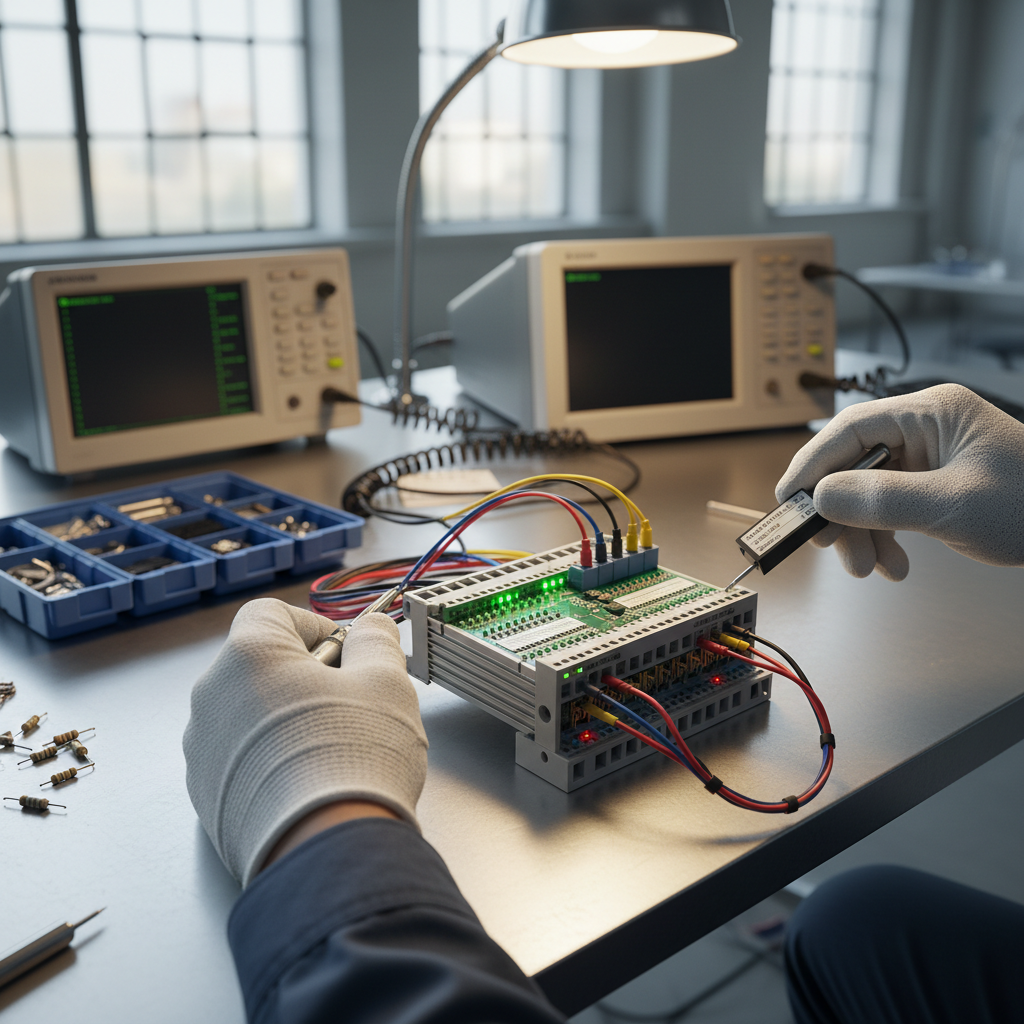
As technology continues to evolve, industries around the world are embracing innovative solutions to increase efficiency and productivity. One such innovation is mechatronics, a multidisciplinary field that combines mechanical engineering, electronics, computer science, and control engineering. In Singapore, mechatronics is rapidly gaining traction, particularly within the industrial sector.
Mechatronics offers a comprehensive approach to automation and intelligent systems, enabling industries to modernize their processes. This trend is driven by the need for automation and the integration of smart technologies in manufacturing and other industrial applications.
The Role of Mechatronics in Singapore's Industrial Development
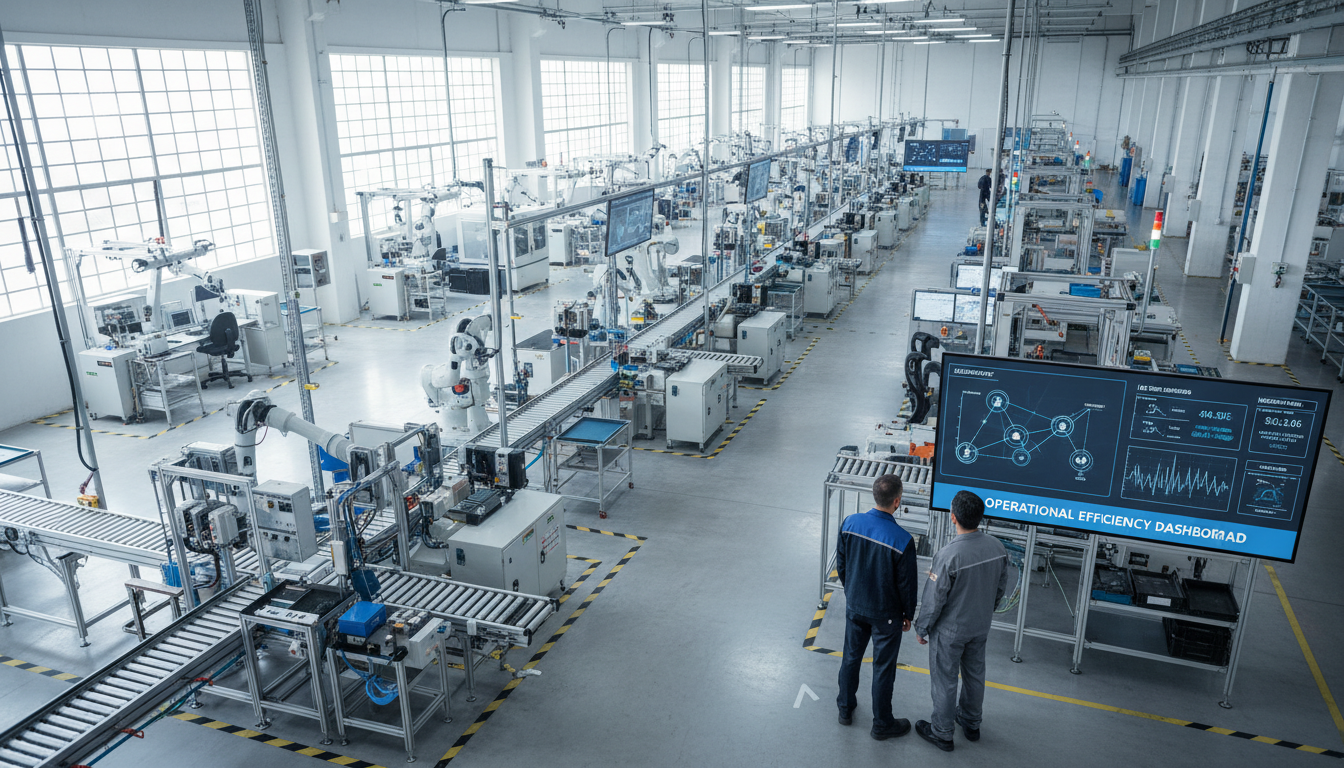
Singapore has long been a hub for technological innovation, and its industrial sector is no exception. The integration of mechatronics into industrial processes is helping businesses optimize operations, reduce costs, and enhance product quality. Industries such as manufacturing, logistics, and aerospace are particularly benefiting from these advancements.
With mechatronics, companies can automate repetitive tasks, allowing human resources to focus on more strategic activities. Additionally, the use of intelligent systems helps in monitoring and controlling complex processes, leading to increased precision and reliability.
Key Benefits of Mechatronics
- Increased Efficiency: Automation of processes leads to faster production times and reduced human error.
- Cost Reduction: By optimizing operations, companies can significantly lower production costs.
- Improved Quality: Enhanced precision and control result in higher quality products.
- Flexibility: Mechatronic systems can be easily reprogrammed to adapt to new tasks.
Challenges and Opportunities
While the benefits of mechatronics are clear, there are also challenges that industries must overcome. One of the primary challenges is the initial investment required for implementing these advanced systems. However, the long-term gains in efficiency and productivity often justify the costs.
Another challenge is the need for skilled professionals who can design, implement, and maintain mechatronic systems. This has led to an increased demand for specialized training and education programs in Singapore, providing opportunities for workforce development and career growth.
Future Prospects
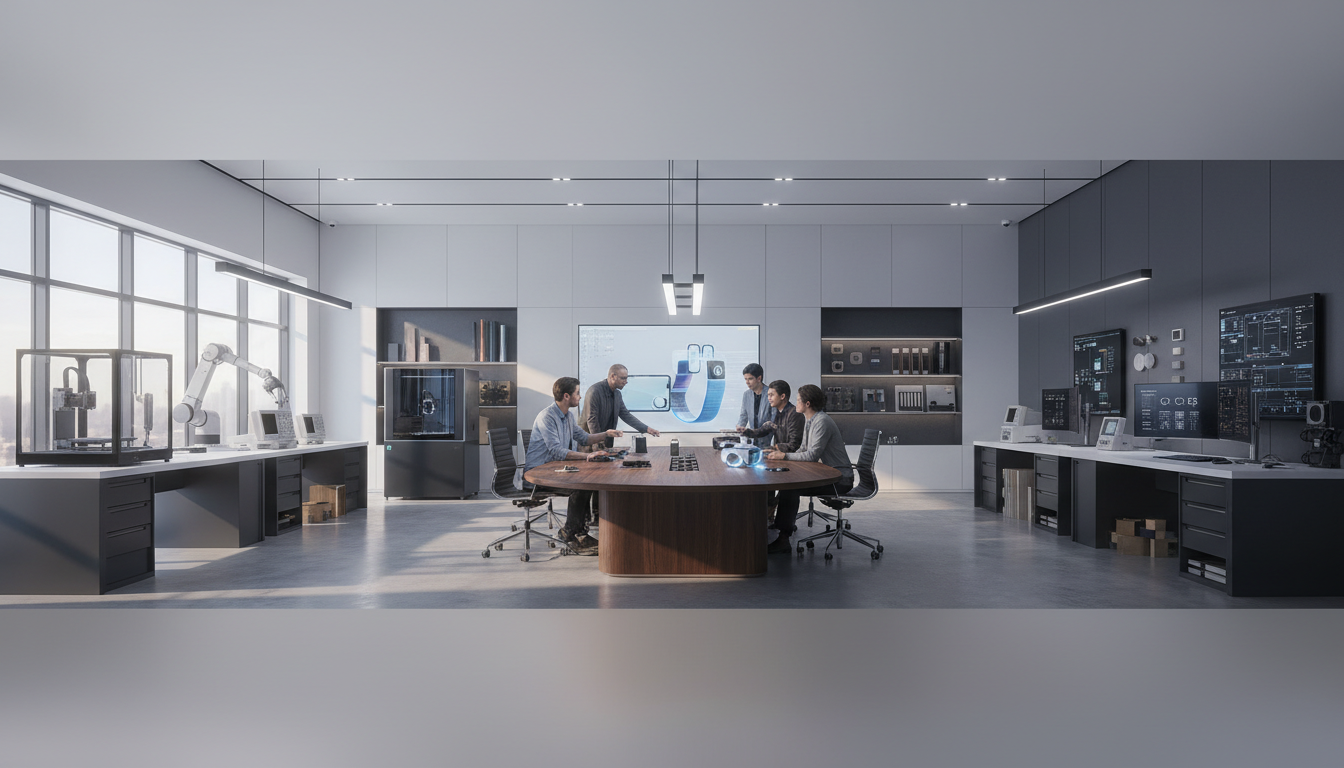
The future looks promising for mechatronics in Singapore. As the country continues to position itself as a leader in technological innovation, the industrial sector is expected to see even greater integration of mechatronics. This will likely lead to more sustainable practices, increased competitiveness, and further economic growth.
Conclusion
In conclusion, mechatronics is playing a pivotal role in transforming Singapore's industrial sector. By embracing this trend, businesses can achieve greater efficiency, cost-effectiveness, and quality in their operations. As technology continues to advance, mechatronics will undoubtedly remain a key driver of industrial innovation in Singapore.
For industries looking to stay ahead of the curve, investing in mechatronics and skilled personnel is essential. This growing trend not only promises to enhance individual businesses but also contributes to the overall economic development of Singapore.