
Exploring the Benefits of Absorption Chillers in Large-Scale Industrial Applications
CH
Introduction to Absorption Chillers
As industries aim to maximize efficiency and reduce environmental impact, absorption chillers are gaining attention in large-scale applications. These systems utilize heat energy to produce cooling, offering a sustainable alternative to traditional cooling methods. Understanding their advantages can help industries make informed decisions.
Absorption chillers operate by using a heat source, such as steam, hot water, or waste heat, to drive a cooling cycle. This process is energy-efficient and can significantly reduce operating costs. Let's explore how absorption chillers can benefit industrial applications.
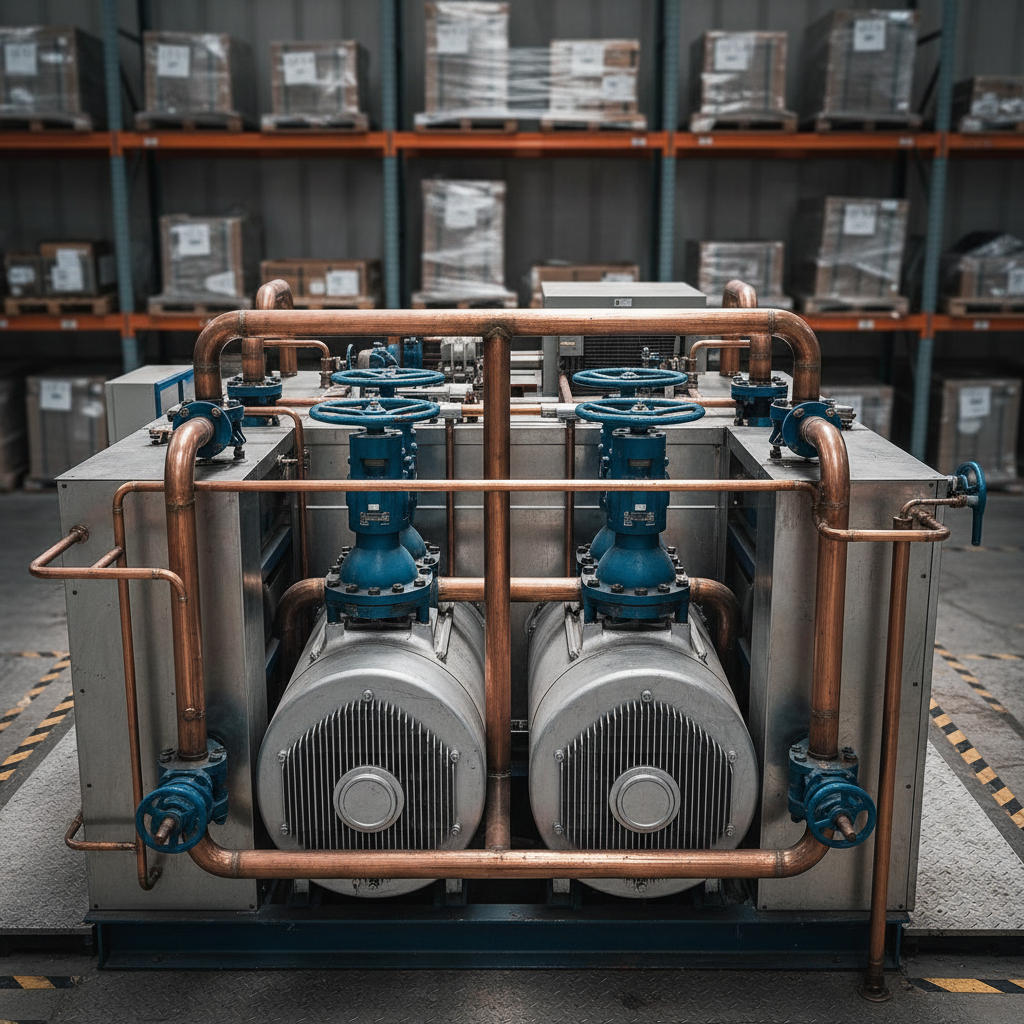
Energy Efficiency and Cost Savings
One of the primary benefits of absorption chillers is their energy efficiency. By utilizing waste heat or renewable energy sources, these systems can dramatically lower energy consumption. This not only reduces utility bills but also decreases reliance on fossil fuels.
The operational cost savings can be substantial, especially for industries with high cooling demands. Absorption chillers can operate using low-grade heat, which is often readily available in industrial settings, further enhancing their cost-effectiveness.

Environmental Impact
Absorption chillers contribute to a reduced environmental footprint by lowering greenhouse gas emissions. Since they use natural refrigerants like water and lithium bromide, they avoid the harmful effects associated with conventional refrigerants.
This eco-friendly approach aligns with global sustainability goals and regulatory standards, helping companies meet environmental compliance while promoting corporate responsibility.
Versatile Applications
These chillers are incredibly versatile and can be integrated into various industrial processes. Industries such as chemical manufacturing, pharmaceuticals, and food processing can benefit significantly from their application in cooling and refrigeration.
Moreover, absorption chillers can be tailored to specific needs, accommodating different temperature requirements and process demands. This flexibility makes them an attractive option for diverse industrial operations.
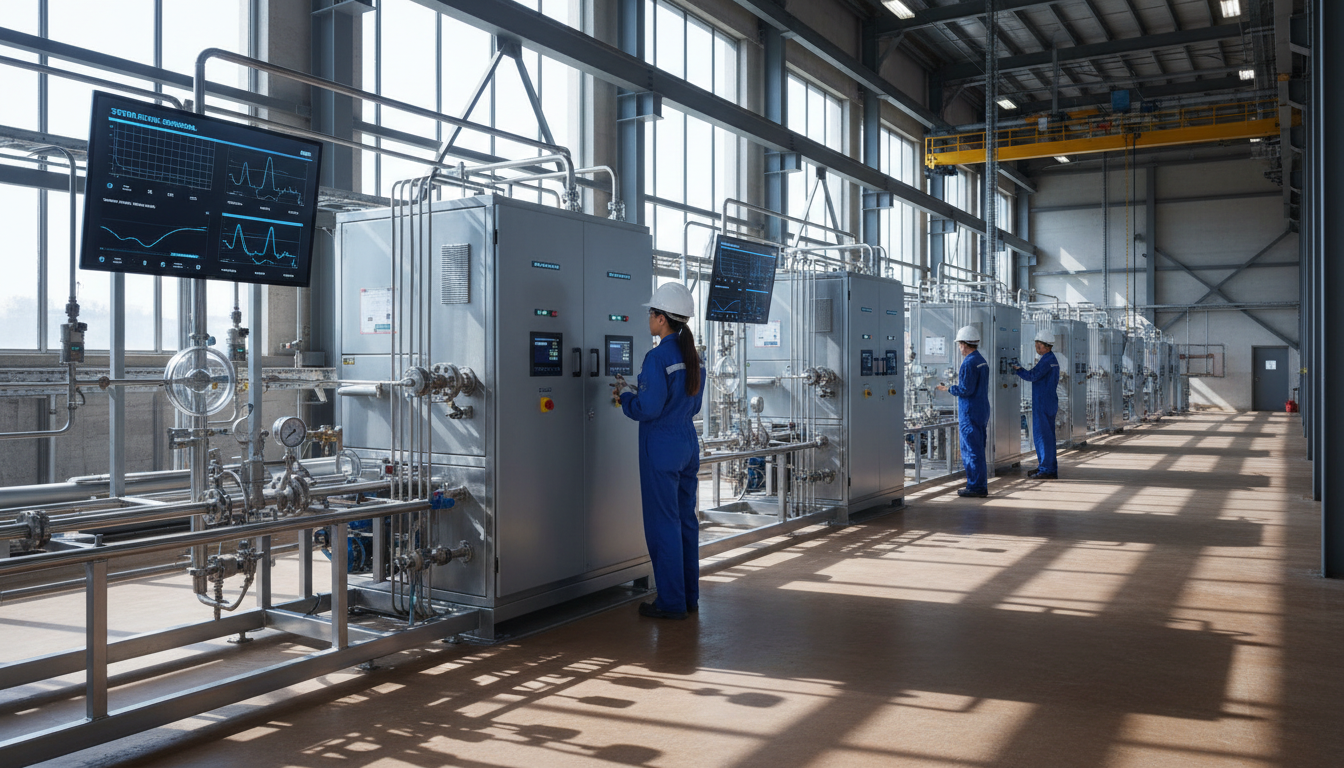
Reliability and Maintenance
Absorption chillers are known for their reliability and relatively low maintenance requirements. With fewer moving parts compared to traditional chillers, they experience less wear and tear, leading to longer service life and reduced downtime.
Regular maintenance involves straightforward procedures, and the absence of high-pressure components minimizes the risk of mechanical failure. This reliability ensures consistent performance, crucial for continuous industrial operations.
Conclusion: A Smart Investment
Integrating absorption chillers into large-scale industrial applications offers numerous benefits, from energy efficiency and cost savings to environmental sustainability and operational reliability. As industries seek to optimize processes and reduce their carbon footprint, absorption chillers present a smart investment for the future.
Considering these advantages, industries can enhance their sustainability efforts while achieving significant economic gains. As technology advances, the adoption of absorption chillers is set to become even more prevalent in industrial settings.