
Comparing Sodium Chlorate and Other Chlorates: What You Need to Know
CH
When it comes to chemical compounds used in various industrial applications, chlorates are among the most versatile. They are commonly used in agriculture, disinfection, and even pyrotechnics. Among these, sodium chlorate stands out, but how does it compare to other chlorates?
Understanding Sodium Chlorate
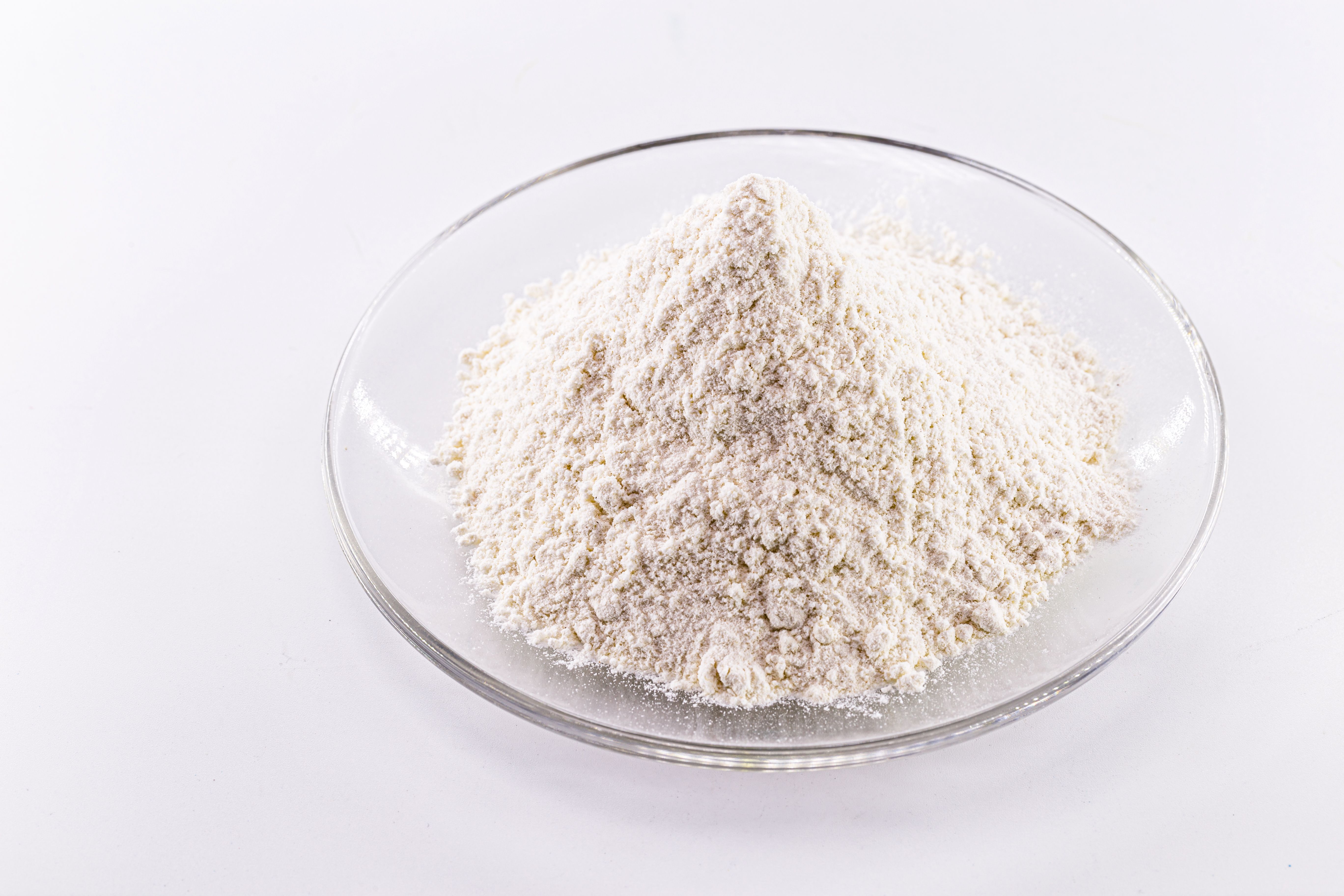
Sodium chlorate is a white crystalline powder that is highly soluble in water. It is primarily used as a herbicide to control weeds and unwanted vegetation. This compound is also crucial in the paper and pulp industry for bleaching wood pulp.
One of the notable properties of sodium chlorate is its ability to release oxygen when it decomposes, making it useful in oxygen generation systems. Additionally, its stability and solubility make it a preferred choice in numerous applications.
Comparing Sodium Chlorate to Potassium Chlorate
Potassium chlorate is another widely used chlorate, known for its application in pyrotechnics and fireworks. Unlike sodium chlorate, it is less soluble in water but more stable at room temperature. This stability makes it safer to handle in certain situations.
Both sodium and potassium chlorate release oxygen upon decomposition, but potassium chlorate does so more vigorously, which is why it is favored in explosive applications. However, this also means it requires more careful handling due to its reactive nature.
Sodium Chlorate vs. Calcium Chlorate
Calcium chlorate is less common but is still used in some agricultural contexts. It is less soluble in water compared to sodium chlorate, which can limit its applications. However, its lower solubility can be beneficial in situations where slow release is desired.
- Solubility: Sodium chlorate is more soluble than calcium chlorate.
- Stability: Calcium chlorate is generally more stable under various conditions.
Environmental and Safety Considerations
Chlorates, in general, can pose environmental risks if not handled properly. Sodium chlorate, due to its high solubility, can easily leach into waterways, potentially affecting aquatic life. Proper storage and disposal are essential to mitigate these risks.

Safety is another critical aspect when dealing with chlorates. Since they are strong oxidizers, they can enhance combustion and should be stored away from flammable materials. Personal protective equipment (PPE) is recommended when handling these substances.
Conclusion
In summary, while sodium chlorate is a versatile and widely used compound, understanding its differences from other chlorates like potassium and calcium chlorate is crucial for safe and effective application. Each has its unique properties, making them suitable for specific uses. Keeping environmental and safety considerations in mind is essential to ensure their responsible use.