
Comparing Inverters: Which Type is Right for Your Needs?
CH
In today's world, where power outages and energy efficiency are rising concerns, inverters have become essential for both households and businesses. Choosing the right inverter can be overwhelming due to the variety of options available. This guide will help you understand the different types of inverters and determine which one suits your needs.
Understanding Inverter Basics
Before diving into the types, it's crucial to understand what an inverter does. Essentially, an inverter converts direct current (DC) into alternating current (AC), which is used by most household appliances. This conversion is vital for utilizing power from sources like solar panels or batteries.
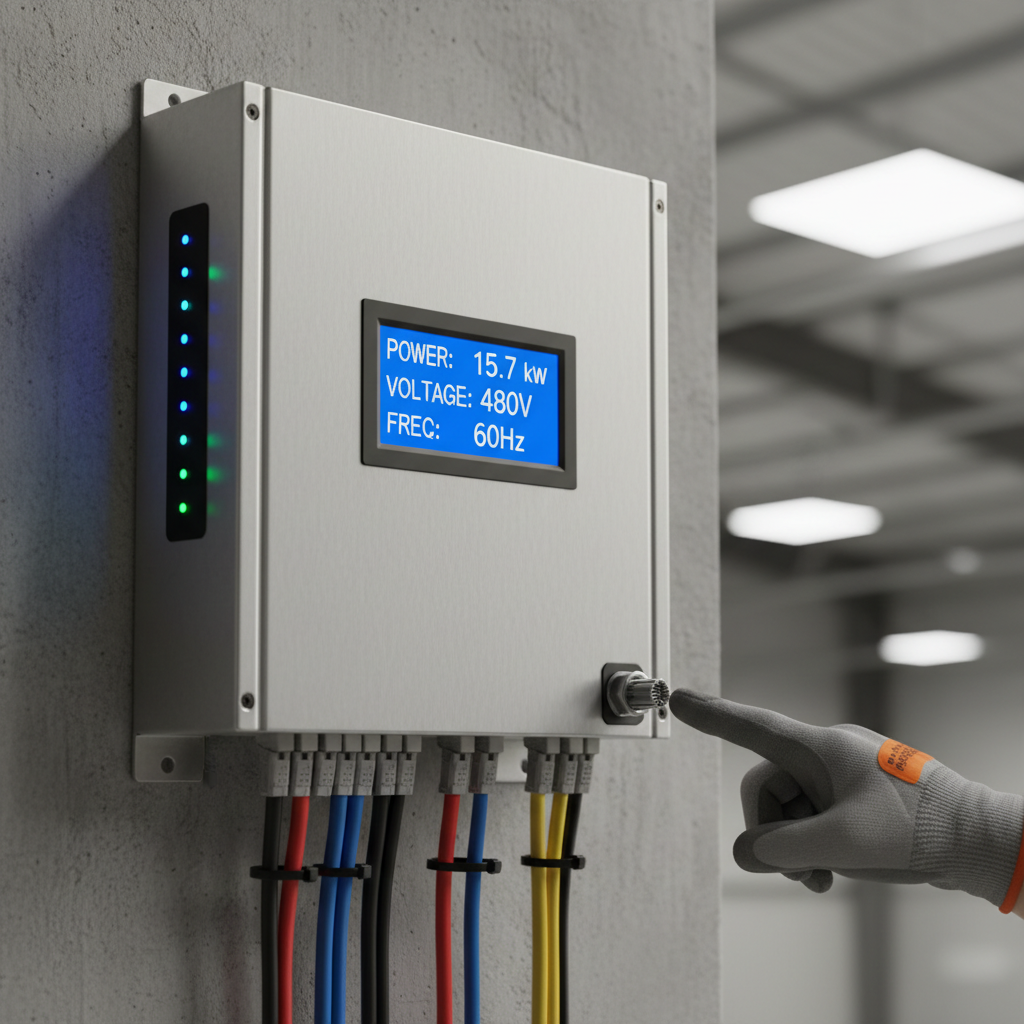
Types of Inverters
Pure Sine Wave Inverters
Pure sine wave inverters produce power similar to that supplied by the grid. They are ideal for sensitive electronics and appliances that require a steady and clean power supply. While these inverters tend to be more expensive, their reliability and efficiency make them worth the investment for many users.
Modified Sine Wave Inverters
Modified sine wave inverters offer a more cost-effective solution. Although they are not as precise as pure sine wave inverters, they work well for simpler electronics and appliances. However, they may cause issues with sensitive equipment, so it's essential to evaluate your specific needs before choosing this type.

Square Wave Inverters
Square wave inverters are the most basic and least expensive option. They are suitable for simple tools and devices without motors or complex electronics. Due to their limitations, they are less common in today's market but can be useful for specific low-demand applications.
Factors to Consider When Choosing an Inverter
When selecting an inverter, several factors play a role in determining the best fit for your needs. Consider the following:
- Power Requirements: Assess the total wattage of the devices you plan to run.
- Budget: Decide how much you're willing to invest.
- Efficiency: Look for inverters with high efficiency ratings to reduce energy loss.
- Compatibility: Ensure the inverter matches your power source and devices.

Conclusion: Making the Right Choice
Choosing the right inverter depends on your specific needs and circumstances. For those with sensitive electronics, a pure sine wave inverter is typically the best choice. If budget constraints are a concern, and you have simpler power needs, a modified sine wave inverter may suffice. For very basic applications, a square wave inverter could be adequate.
By understanding the differences and considering your requirements, you can make an informed decision that ensures a reliable power supply and enhances energy efficiency. Investing in the right inverter not only supports your immediate needs but also contributes to long-term energy sustainability.