
Comparing Chillers: Which Type is Best for Your Needs?
CH
Choosing the right chiller for your facility can be a daunting task. With so many options available, it's crucial to understand the differences and advantages each type offers. In this guide, we'll explore the main types of chillers and help you determine which is best suited for your needs.
Understanding Chillers
Chillers are essential for various industries, providing cooling for processes and air conditioning systems. They work by removing heat from a liquid through a vapor-compression or absorption refrigeration cycle. The right chiller can enhance efficiency and reduce operational costs.
Vapor-Compression Chillers
Vapor-compression chillers are the most common type, utilizing a compressor to circulate refrigerant that absorbs and releases heat. They can be further divided into air-cooled and water-cooled chillers.
Air-Cooled Chillers
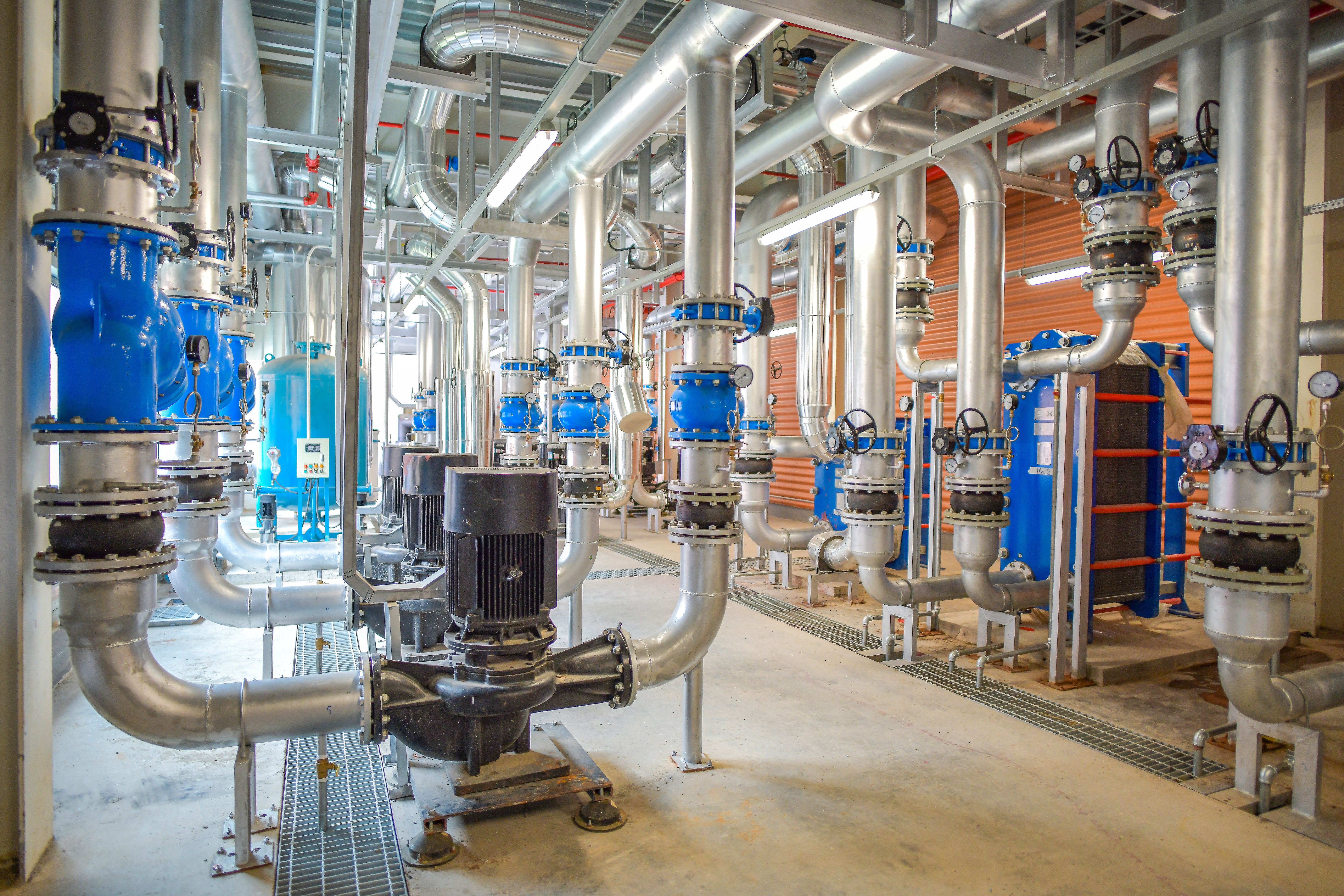
Air-cooled chillers dissipate heat into the surrounding air. They are ideal for facilities with limited water resources and are often easier to install and maintain. However, they can be less efficient in hot climates due to their reliance on ambient air temperature.
Water-Cooled Chillers
Water-cooled chillers use a cooling tower to dissipate heat. These are more efficient than air-cooled chillers, especially in warmer environments, but they require a constant water supply and more space for installation.

Absorption Chillers
Absorption chillers use heat instead of electricity to drive the cooling process, making them a sustainable choice when waste heat is available. They are commonly used in large facilities where steam or hot water is readily accessible.
Single-Effect vs. Double-Effect
Absorption chillers can be single-effect or double-effect. Single-effect chillers are simpler and less expensive, but double-effect chillers offer higher efficiency by using two stages of heat exchange.
Factors to Consider
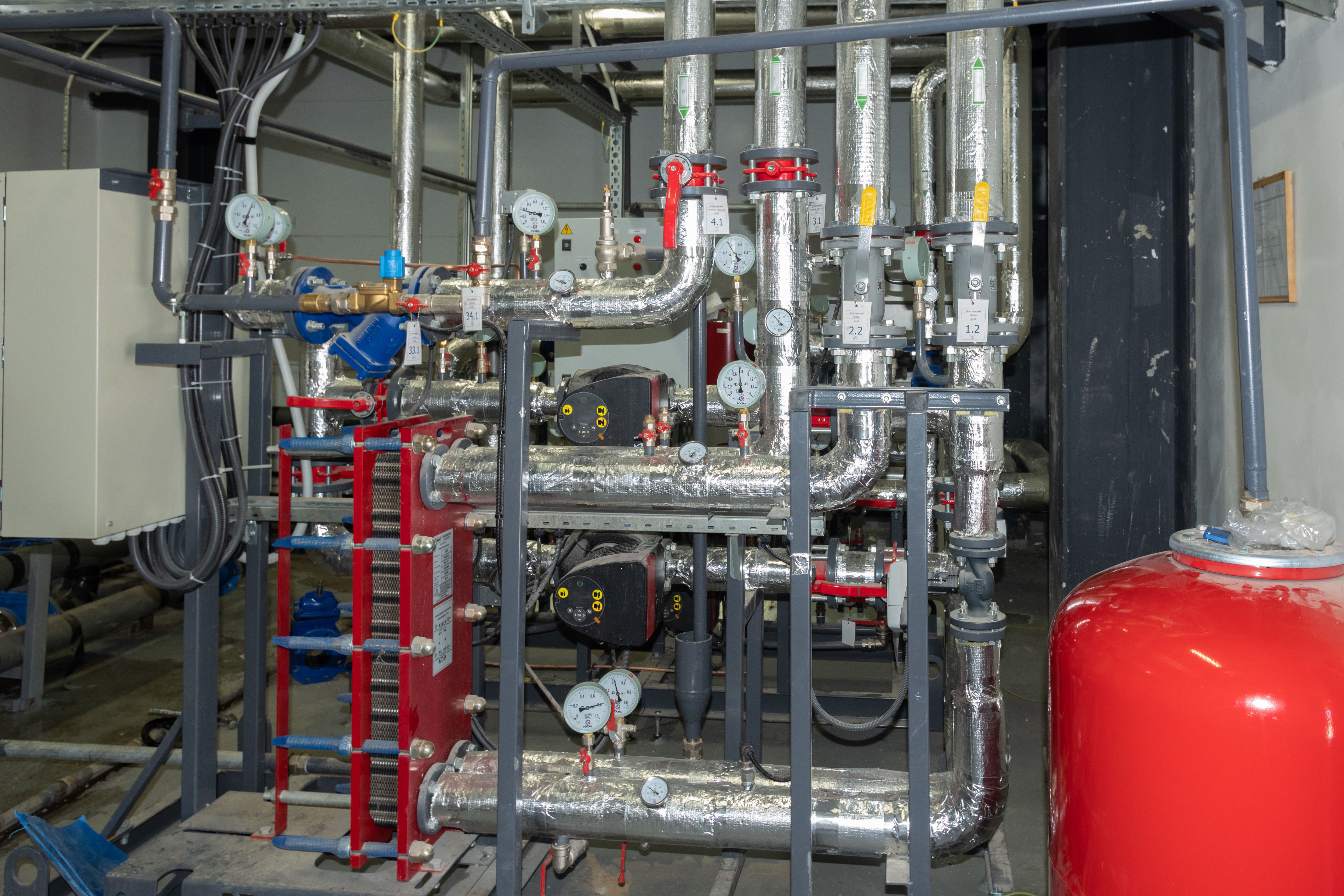
When choosing a chiller, consider factors such as initial cost, maintenance, energy efficiency, and environmental impact. It's essential to assess your facility's specific needs and constraints to make an informed decision.
Energy Efficiency
Energy efficiency is a critical factor, as chillers often account for a significant portion of a facility's energy consumption. Look for chillers with high Coefficient of Performance (COP) ratings to ensure cost-effective operation.
Operational Costs
Beyond energy consumption, consider the long-term operational costs, including maintenance and repairs. Water-cooled chillers may have higher initial costs but can offer savings in energy expenses over time.
Ultimately, the best chiller for your needs will depend on your specific requirements, budget, and environmental considerations. By understanding the differences between chiller types, you can make a decision that optimizes performance and cost-efficiency for your facility.