
Choosing the Right Inverter for Your Operations: An Expert’s Guide
CH
Understanding Inverters
Inverters play a crucial role in transforming direct current (DC) into alternating current (AC), which is essential for powering most electrical devices. Whether you're running a small business or managing a large industrial operation, choosing the right inverter can significantly impact efficiency and cost-effectiveness.
Types of Inverters
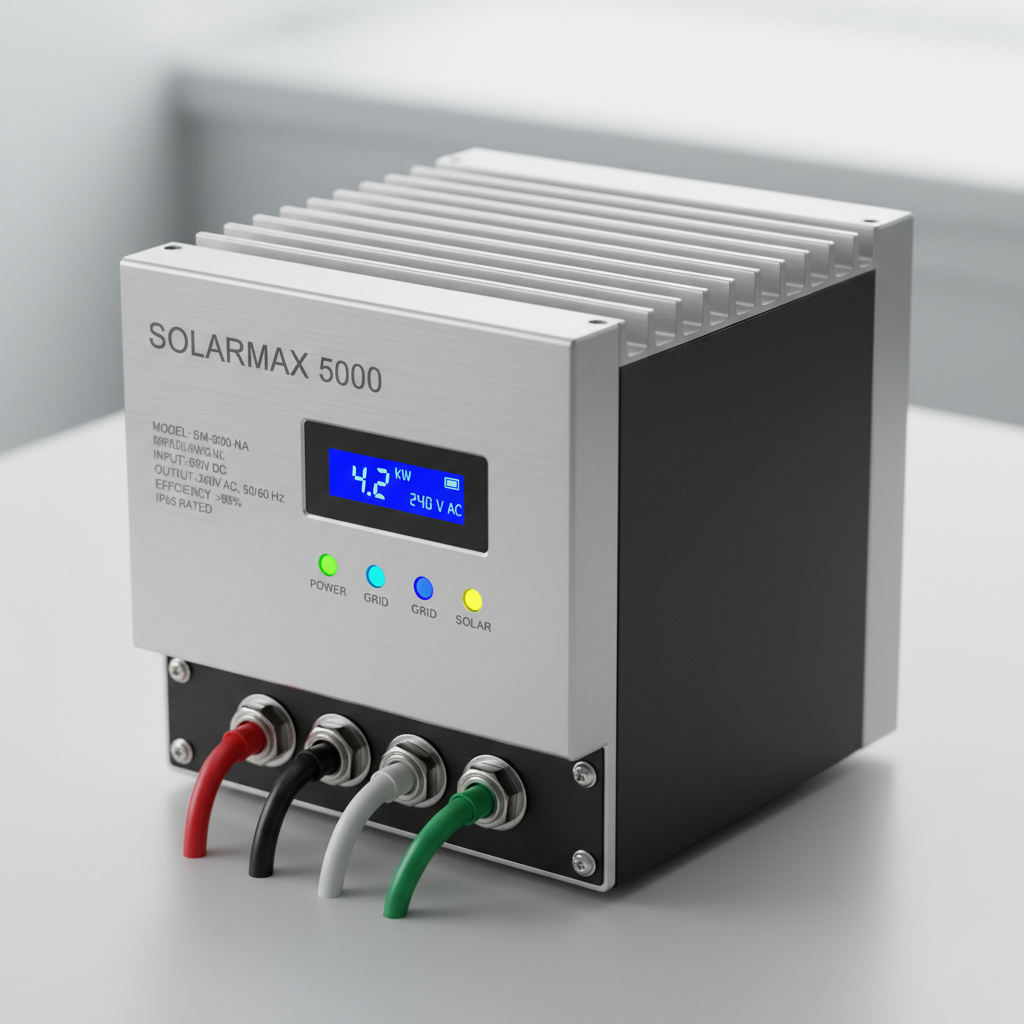
To select the right inverter, it's important to understand the different types available. The three main categories are:
- Pure Sine Wave Inverters: Best for sensitive electronics, providing clean and stable power.
- Modified Sine Wave Inverters: Suitable for less sensitive devices, often more affordable.
- Square Wave Inverters: Basic option, rarely used for commercial purposes due to limitations.
Key Considerations
When choosing an inverter, several factors should be taken into account:
- Power Requirements: Assess the total wattage needed to ensure the inverter can handle your load.
- Efficiency: Look for inverters with high efficiency ratings to reduce energy loss.
- Surge Capacity: Ensure the inverter can handle short-term power surges from starting devices.

Installation and Maintenance
The installation process can vary depending on the inverter type and model. It's crucial to follow manufacturer guidelines or hire a professional to ensure optimal performance. Regular maintenance, such as checking connections and cleaning, can prolong the inverter's lifespan and maintain efficiency.
Cost vs. Value
While cost is always a consideration, it's important to balance initial investment with long-term value. A higher-priced, efficient inverter may offer significant savings over time through reduced energy costs and improved reliability.

Future-Proofing Your Choice
As technology advances, inverters are becoming more sophisticated. Consider future energy needs and potential expansions when selecting an inverter. Investing in a scalable solution can save time and money as your operations grow.
Ultimately, choosing the right inverter involves a careful analysis of your specific needs, budget, and future goals. By understanding the different types and key considerations, you can make an informed decision that supports your operations effectively and efficiently.