
Case Study: How Chiller Innovations Improve Efficiency in Singapore
CH
Introduction to Chiller Innovations
In recent years, technological advancements in chiller systems have revolutionized the way industries approach energy efficiency, especially in tropical climates like Singapore. The country, known for its high humidity and warm temperatures, relies heavily on cooling systems both for commercial and residential purposes.
Chiller innovations have emerged as a game-changer in optimizing energy consumption, reducing costs, and minimizing environmental impact. These advancements are crucial for businesses aiming to achieve sustainability goals.
Understanding the Need for Efficient Cooling
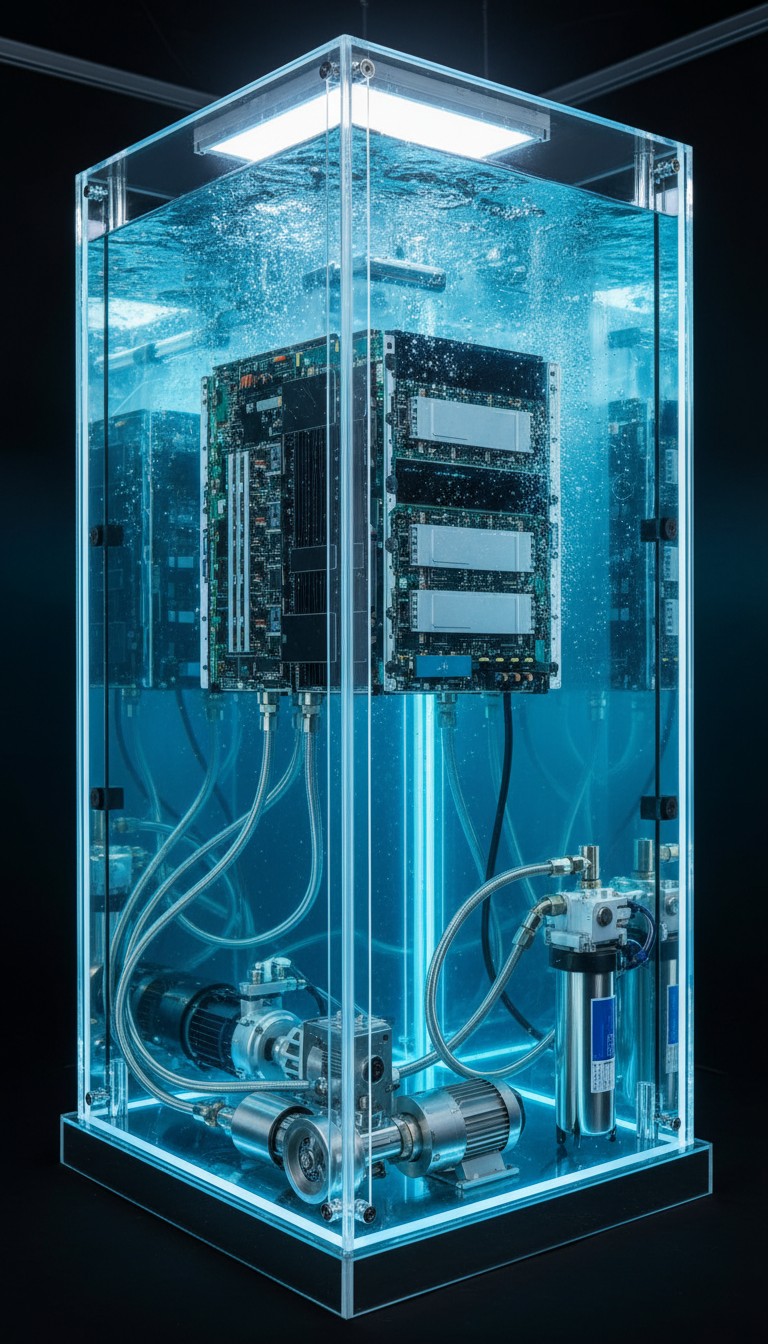
Singapore's climate poses unique challenges, with average temperatures consistently high throughout the year. Traditional cooling systems often struggle to meet demands without consuming excessive energy. As a result, there's a pressing need for more efficient solutions that can handle the intense heat while maintaining low operational costs.
Advanced chiller systems not only meet these demands but also offer improved reliability and durability, which are essential for long-term sustainability. By reducing energy consumption, businesses can also significantly lower their carbon footprint.

Key Innovations in Chiller Technology
Several innovations have propelled chiller systems into the spotlight, making them indispensable for modern infrastructure. Some of the most notable advancements include:
- Variable Speed Drives (VSD): These allow chillers to adjust their speed based on cooling demand, leading to significant energy savings.
- Magnetic Bearing Compressors: These eliminate friction, resulting in quieter and more efficient operation.
- Advanced Control Systems: Smart technologies enable precise monitoring and control, optimizing performance in real-time.
Case Study: Implementing Innovations in Singapore
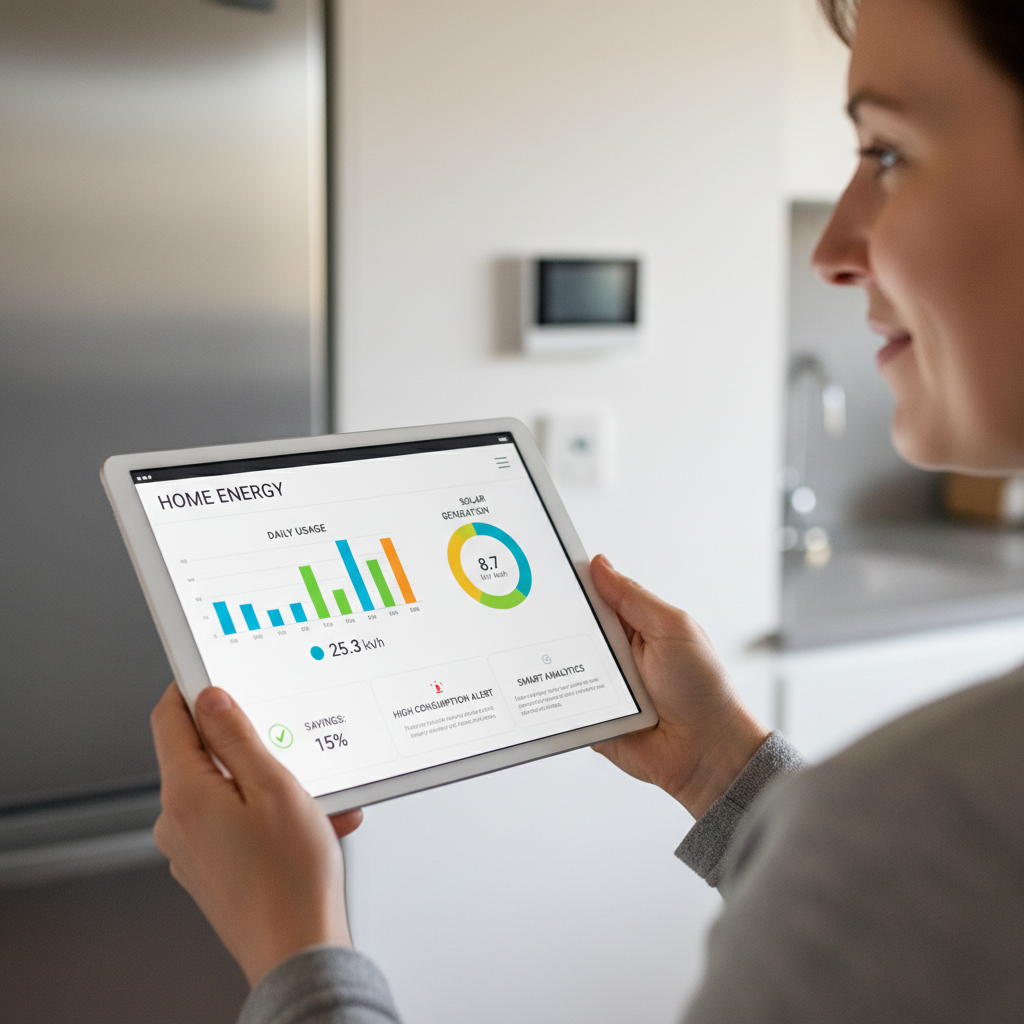
One notable example of successful implementation is a major commercial complex in Singapore that adopted the latest chiller technologies. By integrating VSDs and magnetic bearing compressors, the complex achieved a remarkable reduction in energy consumption by over 30%.
The advanced control systems further allowed for real-time monitoring, enabling swift adjustments that ensured optimal efficiency at all times. This not only enhanced the comfort of occupants but also contributed to substantial cost savings.

Benefits Beyond Energy Savings
While the primary goal of adopting innovative chillers is to enhance energy efficiency, the benefits extend beyond mere savings. These systems contribute to reduced maintenance costs due to their advanced technology that minimizes wear and tear.
Moreover, the environmental impact is significantly reduced, aligning with Singapore's commitment to sustainability and green practices. Businesses can bolster their corporate social responsibility profiles by investing in such eco-friendly solutions.
Challenges and Considerations
Despite the clear advantages, integrating new chiller technologies comes with its own set of challenges. Initial investment costs can be high, potentially deterring some businesses from making the switch. However, the long-term savings and environmental benefits often outweigh these upfront expenses.
It's also crucial for companies to partner with experienced providers who can offer tailored solutions that meet specific cooling needs. Proper installation and regular maintenance are vital to ensure the systems perform at their best.
Future Prospects
The future of chiller technology looks promising, with ongoing research and development aimed at further enhancing efficiency and sustainability. Innovations such as the use of alternative refrigerants and integration with renewable energy sources are on the horizon.
As Singapore continues to grow and modernize, the demand for efficient cooling solutions will only increase. Businesses that invest in cutting-edge chiller technologies are likely to reap significant benefits in the years to come.

Conclusion
Chiller innovations have become essential in improving efficiency and sustainability in Singapore's challenging climate. By embracing these advancements, businesses not only achieve energy savings but also contribute to a greener future.
As the technology continues to evolve, it presents an exciting opportunity for companies to stay ahead in their pursuit of operational excellence and environmental responsibility.