
Case Study: Enhancing Efficiency with Absorption Chillers in Singapore
CH
Introduction to Absorption Chillers
In the quest for sustainable and efficient energy solutions, absorption chillers have emerged as a key player. Particularly in regions with high ambient temperatures like Singapore, these systems provide an innovative approach to cooling. By utilizing heat sources such as solar energy or waste heat, absorption chillers offer a more environmentally friendly option compared to traditional electric chillers.
The Need for Efficient Cooling in Singapore
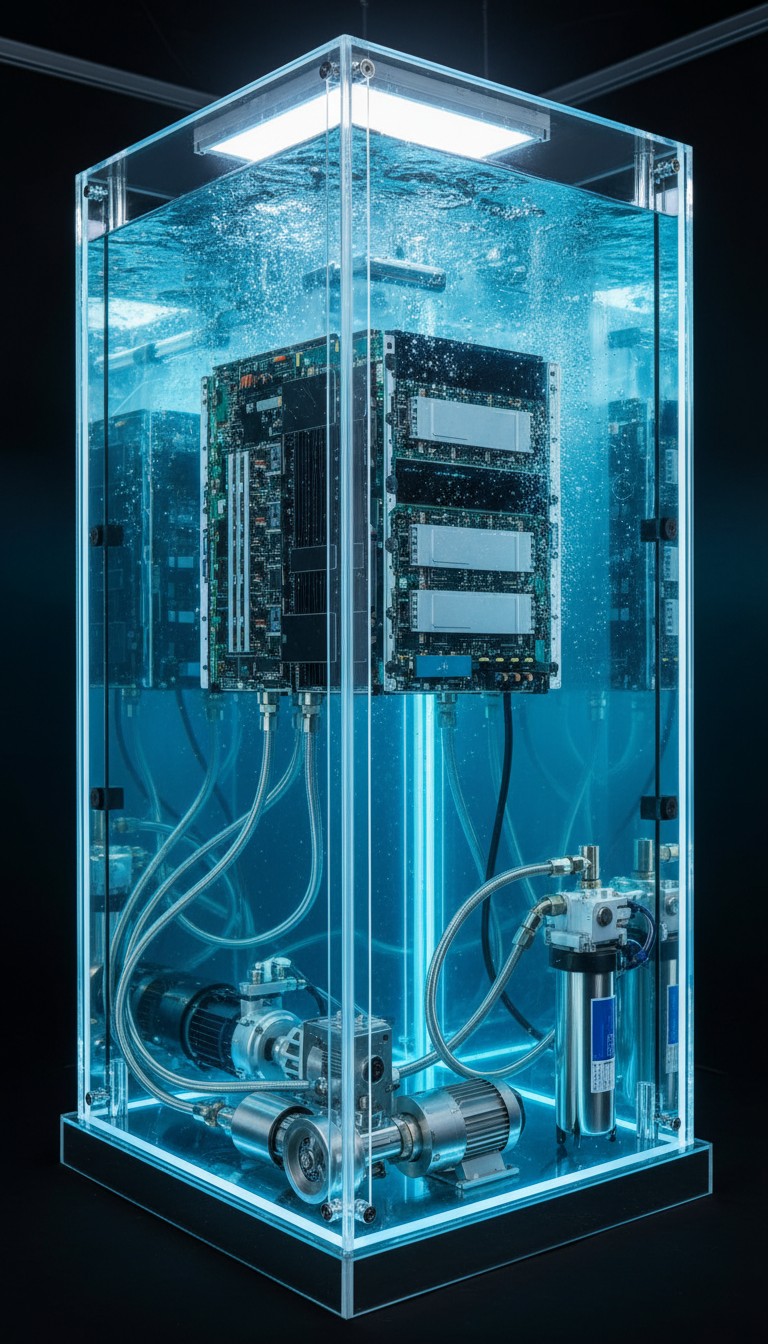
Singapore’s tropical climate necessitates a constant demand for cooling systems in both residential and commercial sectors. Traditional air conditioning systems, while effective, consume significant amounts of electricity, contributing to increased energy costs and carbon emissions. As a result, there is a growing interest in alternative cooling technologies that can reduce energy consumption and environmental impact.
How Absorption Chillers Work
Absorption chillers operate using a heat source to drive the refrigeration cycle, unlike conventional systems that rely on electricity. They typically use water as the refrigerant and a solution such as lithium bromide to absorb the refrigerant vapor. This process allows them to harness waste heat that would otherwise be lost, turning it into a valuable resource for cooling.
Benefits of Absorption Chillers
One of the most significant benefits of absorption chillers is their ability to utilize low-grade heat sources. This not only reduces reliance on electricity but also enhances overall energy efficiency. Additionally, these systems are known for their quiet operation and low maintenance requirements, making them an attractive option for various applications.
Case Study: Implementation in Singapore
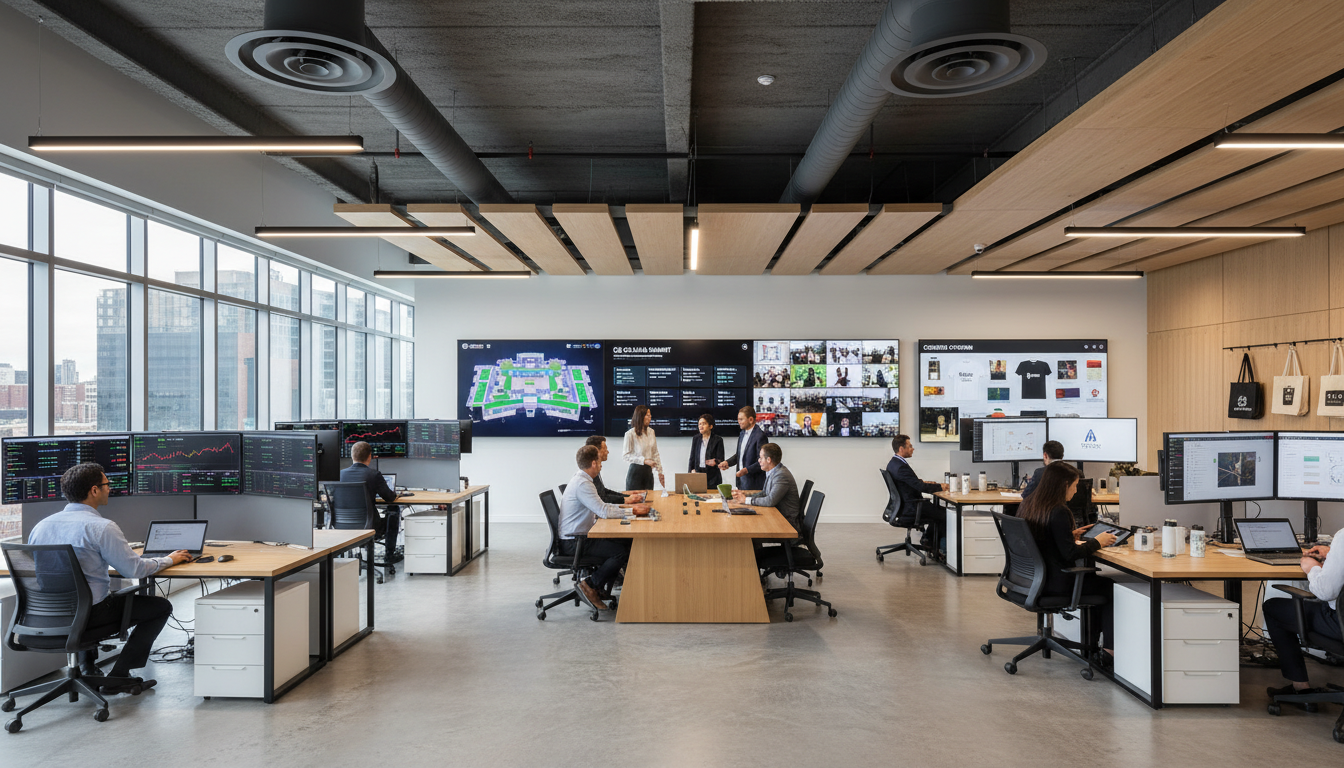
A leading business complex in Singapore recently integrated absorption chillers into its cooling system. By tapping into waste heat generated by its industrial processes, the complex was able to reduce its electricity consumption by 30%. This shift not only lowered operational costs but also contributed to a significant reduction in the complex's carbon footprint.
Challenges and Considerations
While the benefits are clear, there are challenges to consider when implementing absorption chillers. Initial installation costs can be high, and the system's efficiency is highly dependent on the availability and consistency of a suitable heat source. Therefore, careful planning and analysis are crucial to ensure successful integration.
Future Prospects
As technology advances, the efficiency and cost-effectiveness of absorption chillers are expected to improve. Continued research and development in this area are likely to yield systems that are even more adaptable and efficient, further solidifying their role in sustainable building solutions.
Conclusion
The adoption of absorption chillers in Singapore highlights a growing trend towards sustainable energy practices. By reducing electricity consumption and making use of available waste heat, these systems offer a promising solution to the challenges posed by traditional cooling methods. As awareness and technology continue to evolve, absorption chillers stand to play a crucial role in the future of energy-efficient cooling.