A Comprehensive Guide to Sodium Chlorate: Uses and Benefits
CH
Sodium chlorate is a versatile compound with a wide range of applications in various industries. This guide delves into its uses and benefits, offering insights into why it is a valuable chemical in modern manufacturing and agriculture.
What is Sodium Chlorate?
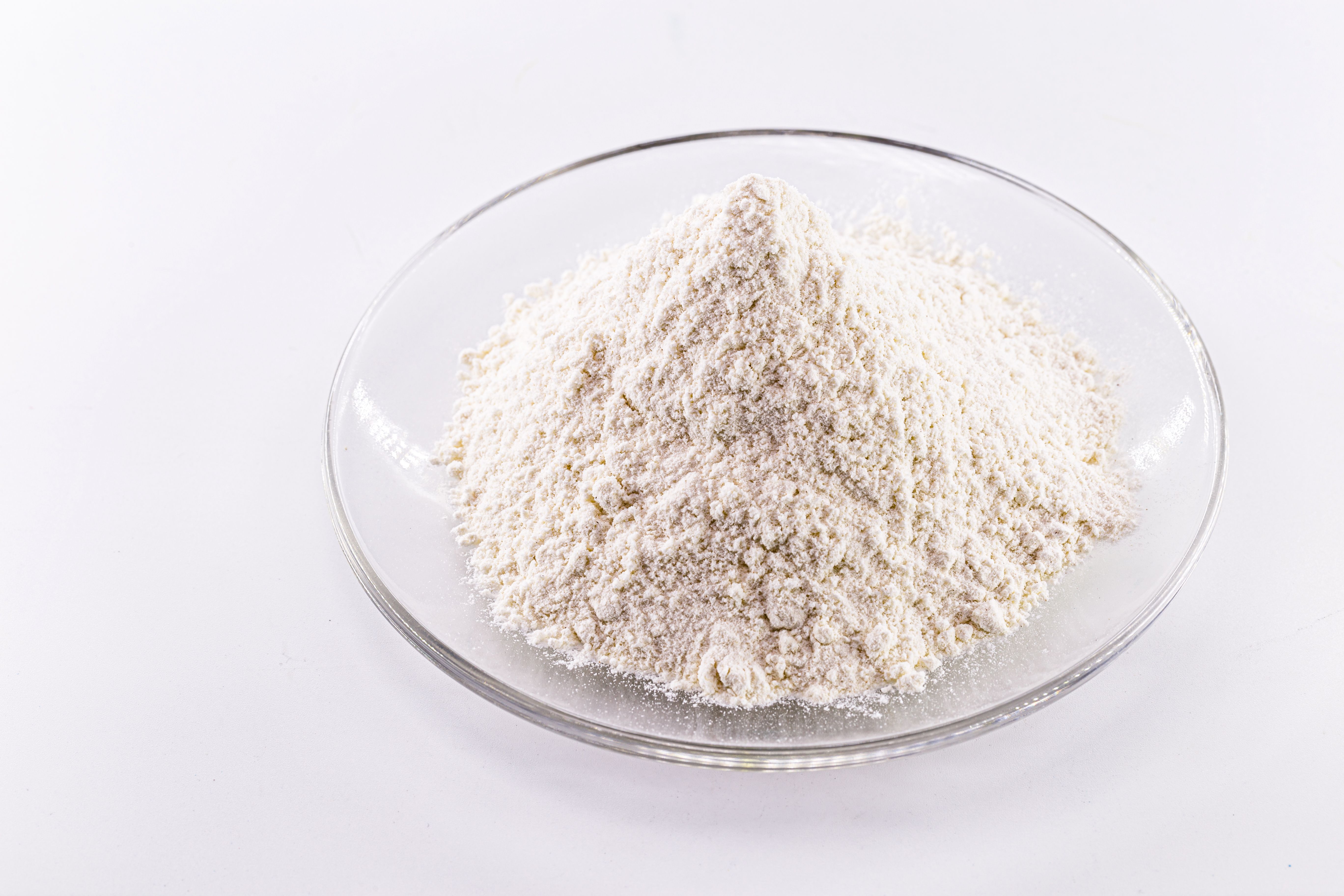
Sodium chlorate is an inorganic compound with the chemical formula NaClO3. It appears as a white crystalline powder and is highly soluble in water. This compound is primarily used as an herbicide and in the production of chlorine dioxide.
Due to its oxidizing properties, sodium chlorate plays a crucial role in several industrial processes. Its ability to release oxygen makes it a popular choice in applications requiring oxygen-rich environments.
Production Process
Sodium chlorate is usually produced through the electrolysis of sodium chloride (table salt) in water. This process involves passing an electric current through the solution, resulting in the formation of sodium chlorate, hydrogen gas, and chlorine gas.

Industrial Applications
One of the primary uses of sodium chlorate is in the pulp and paper industry. It is a key component in the production of chlorine dioxide, which is used to bleach wood pulp. This process is essential for manufacturing high-quality white paper.
- Pulp and Paper: Sodium chlorate is vital in producing chlorine dioxide for bleaching.
- Textiles: It is used in dyeing and printing processes to improve fabric quality.
- Mining: Used in the extraction of valuable metals through chemical reactions.
Agricultural Benefits
In agriculture, sodium chlorate serves as a non-selective herbicide, effectively controlling unwanted vegetation. Farmers use it to clear fields before planting, ensuring that crops receive sufficient nutrients without competition from weeds.

Environmental Considerations
While sodium chlorate is beneficial, it is crucial to handle it with care due to its potential environmental impact. Proper application techniques and adherence to safety guidelines can help minimize its ecological footprint.
Its oxidizing nature means it should be stored away from flammable materials and handled with appropriate protective equipment.
Conclusion
Sodium chlorate is an indispensable chemical in various industries, offering numerous benefits from agriculture to manufacturing. Understanding its uses and adhering to safety protocols can maximize its advantages while minimizing risks.